
How to Design a Sustainable Bedroom: A Step-by-Step Guide for Eco-Conscious Living
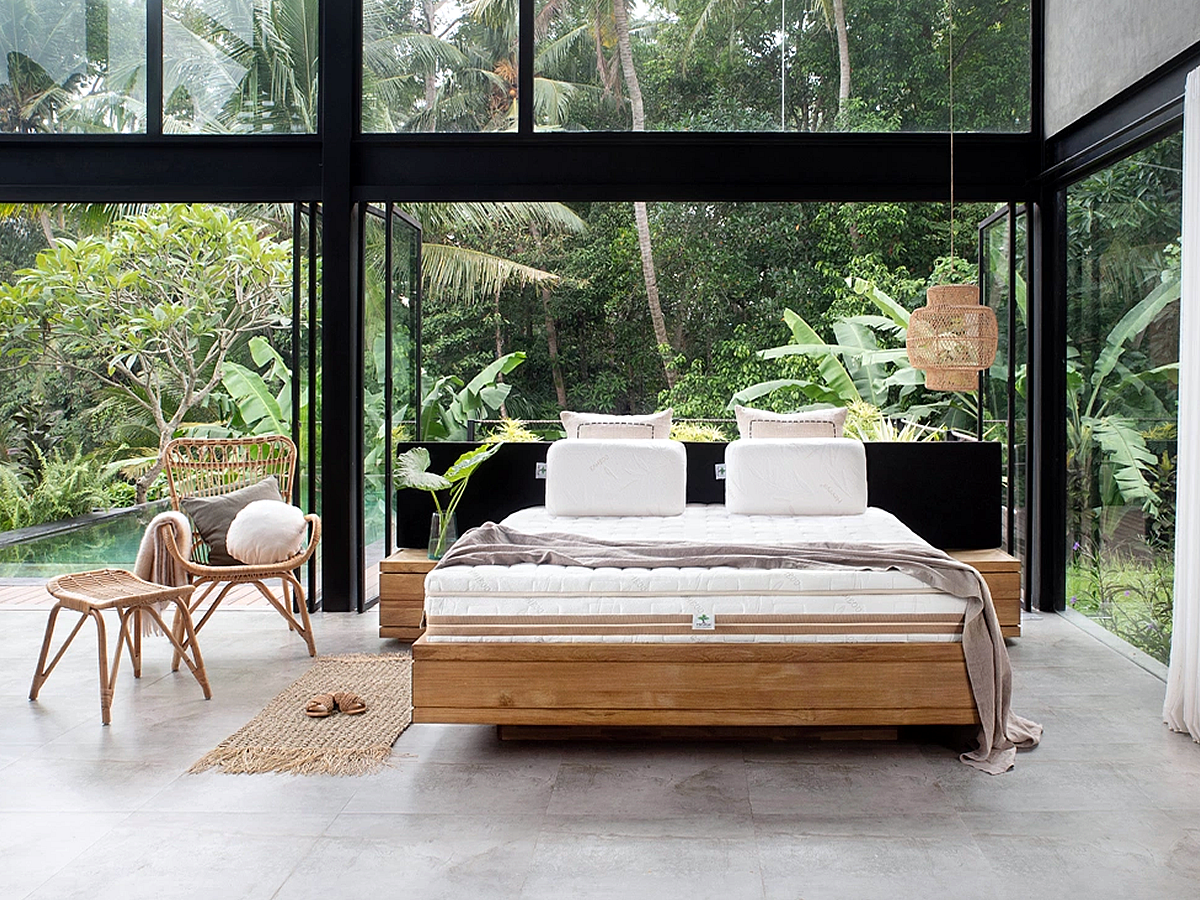
Image credit: Bedstar
Featured Partner Post
Did you know you spend about a third of your life in your bedroom? That's roughly eight hours every single day resting, relaxing and recharging in this one special space.
Your bedroom should be your own personal sanctuary – a space where you can escape from the outside world whilst knowing you're making choices that benefit the planet, too. Why not create a sustainable bedroom that nurtures both your wellbeing and the environment?
The beauty of sustainable bedroom design lies in its double benefit. You're not just making eco-friendly choices; you're creating a healthier, more restful space for yourself. Think about it – sustainable and natural materials are organic are naturally VOC-free, which means better air quality for those precious eight hours of sleep.
And here's something that might surprise you: switching to LED lighting could save you up to £70 a year on your electricity bills. These clever bulbs use between 25% and 80% less energy than traditional options, so you'll sleep better knowing you're reducing both your carbon footprint and your energy costs.
When you choose reclaimed materials for your bedroom, you're actively helping to reduce landfill waste whilst giving beautiful, characterful pieces a new lease of life.
Whether you want to make a statement with bold sustainable choices, or create a calming, eco-conscious retreat, there are endless possibilities for designing a bedroom that looks beautiful, feels comfortable, and aligns with your values.
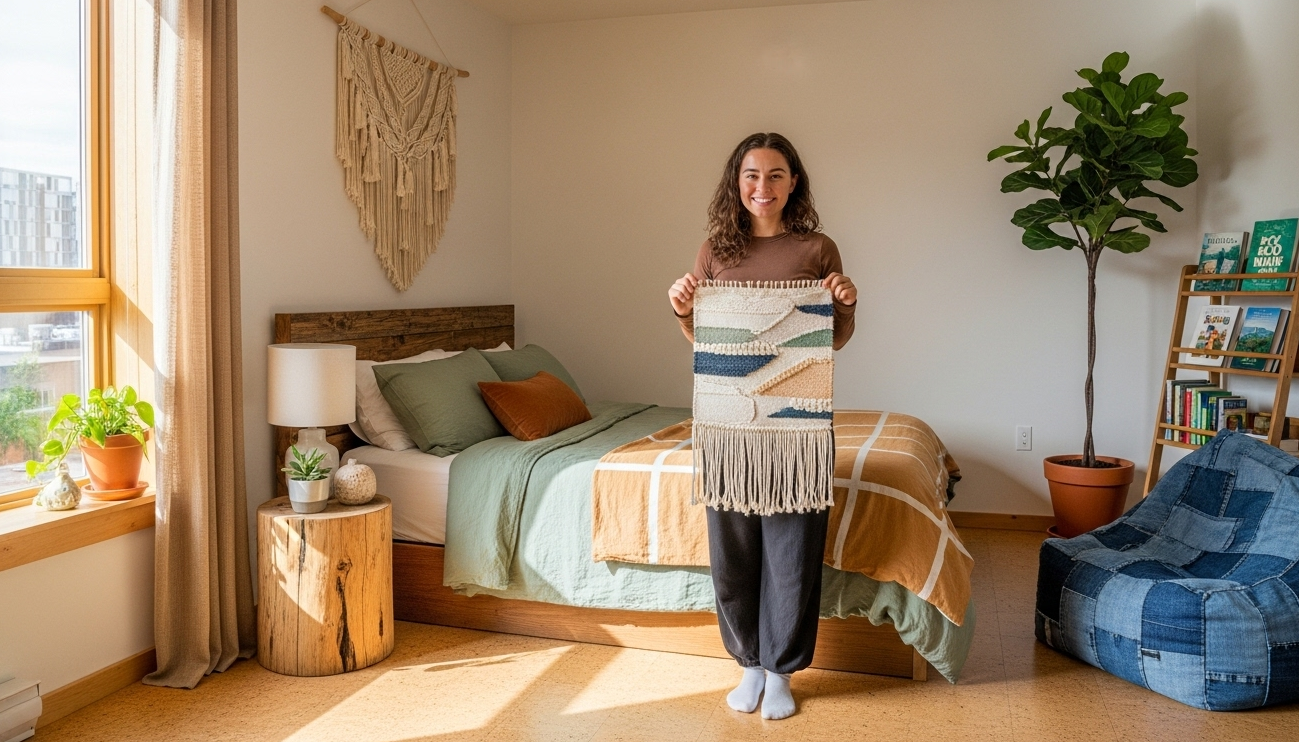
Image credit: Bedstar
Plan your sustainable bedroom design
Good planning is the secret to creating a bedroom that's both stylish and sustainable. Don't rush into buying the first eco-friendly piece you see – taking time to understand your space and needs will help you make choices that work beautifully for years to come.
What makes bedroom design truly sustainable?
Sustainable interior design creates spaces that benefit both people and the environment on a global scale. At its heart, this approach focuses on five key principles:
Waste reduction
Energy efficiency
Health promotion
Low carbon footprint
Timeless design
These aren't just trendy buzzwords – they're practical guidelines that help you create a bedroom that lasts. Sustainable design encourages spaces that remain functional and stylish for years without needing frequent updates.
Know what you want from your bedroom
Before you fall in love with that reclaimed wood bed frame, step back and think about your actual needs. A truly sustainable bedroom balances comfort with environmental responsibility, so consider both style and function.
Ask yourself the important questions: Do you need plenty of storage? Is natural light a priority? How do you actually use this space? During this planning stage, embrace minimalism and mindful consumption to create a tranquil environment.
Takeaway Tip: smaller, well-designed bedrooms often need fewer resources to furnish, heat and cool – which means a smaller environmental impact.
Measure twice, buy once
Here's where many bedroom projects go wrong: poor measurements leading to overcrowded spaces. Measure your bedroom dimensions carefully, noting where doors, windows and radiators sit.
Position furniture against walls where possible and keep the centre area open. This simple arrangement makes your room feel larger whilst helping you avoid unnecessary purchases that waste resources.
It's tempting to fill every corner, but restraint is key to sustainable design. The fewer pieces you own, the lower your environmental impact – and the more peaceful your bedroom will feel.
Choose sustainable materials that work as hard as you do
Now that you've got your plan sorted, it's time for the exciting part – selecting materials that will make your sustainable bedroom dreams a reality. The fabrics, flooring and furniture you choose don't just affect how your space looks; they determine how healthy and eco-friendly your sanctuary becomes.
What fabrics should you choose for your sustainable bedroom?
Your bedding works harder than you might think. Every night, these textiles are right next to your skin for hours, so choosing the right ones matters for both your health and the planet's wellbeing.
GOTS-certified organic cotton is the ultimate choice for eco-conscious sleepers. This certification guarantees your cotton has been grown without harmful pesticides or synthetic fertilisers, creating healthier soil and supporting biodiversity. Plus, you'll rest easier knowing your sheets are completely free from nasty chemicals.
Hemp might sound surprising, but it's actually one of nature's most clever materials for bedding:
Naturally fights off mould and bacteria
Needs very little water to grow
Thrives without any pesticides
Keeps you perfectly temperature-regulated all year round
Linen brings effortless elegance to your sustainable bedroom. Made from fast-growing flax plants, it requires far less water than conventional cotton and gets softer with every wash - perfect for those warm summer nights when you need lightweight, breathable comfort.
If you’re also dealing with dust, pollen, or city pollution, a quiet HEPA-based air purifiers for home can further support cleaner bedroom air while you sleep without fighting the rest of your sustainable scheme.
Which sustainable flooring will suit your bedroom?
For flooring that combines stunning looks with serious sustainability credentials, bamboo and cork are your best friends.
Bamboo reaches maturity in just 3-5 years, whilst traditional hardwood trees take decades to grow. This makes bamboo an incredibly renewable choice that's also moisture-resistant and surprisingly durable.
Cork offers something truly special – it's harvested from the bark of cork oak trees without harming them at all. Your trees keep growing, and you get flooring that's naturally resistant to mould, mildew and pests. Cork also provides excellent insulation, keeping your bedroom quieter and more comfortable.
Find a bed frame with real character
Reclaimed wooden bed frames tell a story that new furniture simply can't match. Each piece carries decades or even centuries of natural weathering, creating unique grains and distinctive knots that make your bedroom truly one-of-a-kind.
Here's the brilliant part: reclaimed timber is often denser and stronger than newly harvested wood, thanks to natural seasoning processes that have enhanced its durability over time.
Don't forget, choosing reclaimed wood actively reduces demand for new logging, protecting forests and wildlife habitats whilst giving your bedroom furniture with genuine character and superior quality.
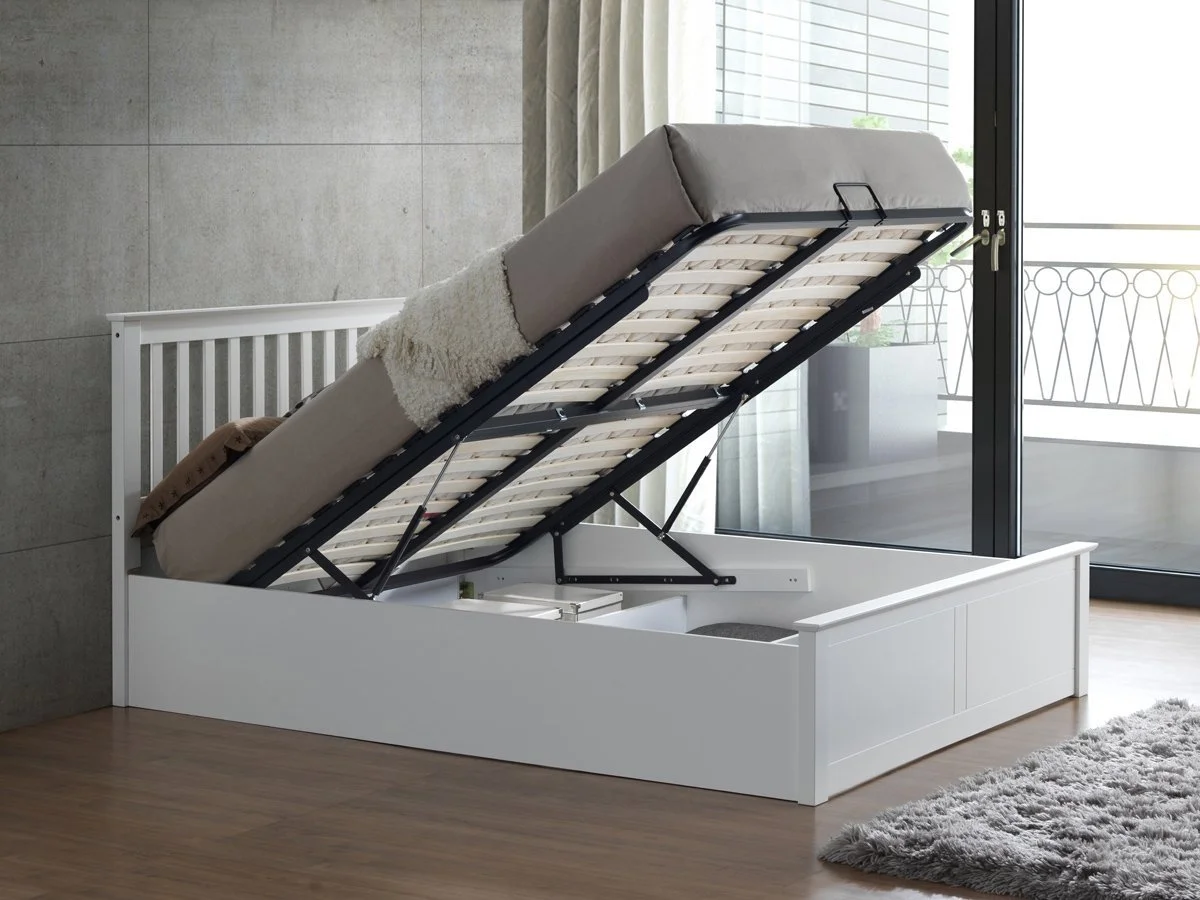
Bedmr Malmo 4FT 6 Double Ottoman Bed – White from Bedstar, made from sustainable rubber wood.
Rubberwood is an eco-friendly hardwood that is produced as a by-product of rubber-latex trees. It is often more affordable than many other solid woods, especially popular woods such as mahogany, teak, oak, etc. due to its rapid growth and plantation cultivation.
Add smart features that work harder for you
Ready to take your sustainable bedroom to the next level? Smart features aren't just trendy – they're practical additions that boost both your comfort and your eco-credentials. These clever updates work quietly behind the scenes to create a healthier, more energy-efficient sleep sanctuary.
Why should you switch to LED lighting?
Here's a simple change that delivers big results: LED bulbs use 25% to 80% less energy than traditional options and last significantly longer too. Unlike those old incandescent bulbs that pump out heat, LEDs stay cool whilst providing brilliant brightness.
For your bedroom, colour temperature matters more than you might think. Look for "very warm white" bulbs around 2700K – they create that perfect cosy glow for winding down. Add dimmer switches and you can adjust the mood whilst saving even more energy.
Want to get really smart about it? Modern lighting systems with motion sensors and programmable settings can slash your energy consumption by up to 35%. Control everything from your smartphone, set automatic schedules, and never worry about leaving lights on again.
Takeaway tip: Install dimmers on your main bedroom lights – you'll use less energy and create better ambiance for relaxation.

Image credit: Bedstar
Choose paint that breathes easier
Did you know conventional paints keep releasing chemicals into your air for years after you've finished decorating? These volatile organic compounds can affect your breathing and overall wellbeing. Not exactly what you want in your sleep sanctuary.
The good news? You don't have to compromise on style. Standard paints pack around 250 grammes of VOCs per litre, but low-VOC options contain just 50 grammes or less, whilst zero-VOC paints contain 5 grammes or fewer. Water-based formulations with minimal VOCs are your healthiest choice.
Today's eco-friendly paint brands offer gorgeous colour ranges without the nasty chemicals, so you can create a beautiful bedroom that's better for both you and the planet.

Image credit: Farrow & Ball
Thermal curtains: your secret energy weapon
Think curtains are just for privacy? Think again. Thermal curtains work like invisible insulators, trapping air at your windows. Their clever triple-layered design keeps your bedroom cool in summer and toasty in winter.
The energy savings are impressive – you could see up to a 25% drop in your heating and cooling bills. Plus, you'll get bonus benefits like better soundproofing and enhanced privacy.
For best results, make sure your curtains fit snugly against windows and consider wider curtain rods that cover the entire window area. This small investment pays dividends in both comfort and cost savings.
Keep your sustainable bedroom green for years to come
Creating your eco-conscious bedroom is just the beginning. The choices you make every day determine how sustainable your space remains over time.
Hunting for secondhand treasures
Why buy new when you can find amazing pieces with character and history? Charity shops, antique stores and online marketplaces are goldmines for sustainable furniture finds. One person's unwanted wardrobe could become your perfect bedroom storage solution – and you'll be preventing perfectly good furniture from ending up in landfills.
Got an old wooden chair that's seen better days? Don't throw it away! A fresh coat of low-VOC paint can transform it into a unique bedside table that's completely your own. Look for brands that offer take-back programmes too – they'll give your furniture a second life when you're ready for a change.
Switch to planet-friendly cleaning
Your bedroom air quality matters, especially when you're spending eight hours a day breathing it in. Conventional cleaners can release nasty chemicals into your space for months after use.
Plant-based, biodegradable cleaners work just as well without compromising the air you breathe. Many use lovely natural essential oils for fragrance whilst staying completely toxin-free. For a simple DIY approach, white vinegar and bicarbonate of soda tackle most cleaning jobs brilliantly.
Takeaway Tip: Choose refillable cleaning products to cut down on single-use plastic waste whilst saving money.
Rotate your bedding seasonally
Here's a simple trick that extends your textiles' lifespan significantly. Switch between lighter summer bedding and cosier winter options throughout the year. Research shows that extending bedding life by just nine months cuts waste by 22% and saves 33% of water consumption.
Store your off-season bedding properly – clean, completely dry, and in breathable containers – to keep everything fresh for next year.
Give old textiles a proper send-off
When you’re bedding finally reaches the end of its life, don't just bin it. Natural fibres like cotton, linen and wool can be composted, but check they're 100% natural first – chemical treatments prevent proper biodegrading. Remove any zips, buttons or elastics, then cut fabrics into smaller pieces for faster decomposition.
Many areas now have textile recycling programmes that turn worn-out items into new products like chair padding or industrial blankets. It's a brilliant way to complete the sustainable cycle.
Key Takeaways
Creating a sustainable bedroom combines environmental responsibility with personal wellbeing, transforming your sleep sanctuary into an eco-conscious space that benefits both you and the planet.
• Choose organic cotton, hemp, or linen textiles alongside bamboo flooring and reclaimed wood furniture for healthier, chemical-free sleeping environments.
• Install LED lighting with dimmers and use non-toxic paints to reduce energy consumption by up to 80% whilst improving indoor air quality.
• Embrace circular economy principles by buying secondhand furniture, using eco-friendly cleaning products, and properly composting natural textiles.
• Plan your space carefully with accurate measurements to avoid overfurnishing, focusing on timeless designs that reduce waste and promote longevity.
• Add thermal curtains to regulate temperature naturally, potentially reducing heating and cooling costs by up to 25% annually.
Remember that sustainable bedroom design extends beyond initial purchases—daily practises like seasonal bedding rotation and proper textile disposal ensure your eco-conscious choices create lasting environmental benefits whilst maintaining a peaceful, restorative sleeping environment.
FAQs
Q1. How can I make my bedroom more sustainable?
To create a sustainable bedroom, opt for organic bedding materials, choose eco-friendly furniture made from reclaimed wood or bamboo, install energy-efficient LED lighting, use non-toxic paints, and incorporate plants for natural air purification. Additionally, consider thermal curtains for better temperature regulation and energy savings.
Q2. What are some eco-friendly materials for bedroom flooring?
Bamboo and cork are excellent sustainable flooring options for bedrooms. Bamboo is fast-growing and renewable, while cork is harvested without harming trees. Both materials are durable, moisture-resistant, and provide good insulation, making them ideal choices for an eco-conscious bedroom design.
Q3. How can I reduce waste in my bedroom design?
To minimise waste, consider buying secondhand or upcycled furniture, rotate bedding seasonally to extend its lifespan, and use eco-friendly cleaning products. When textiles are beyond repair, compost natural fibres or recycle them through appropriate programmes. Planning your space carefully also helps avoid overfurnishing and unnecessary purchases.
Q4. What lighting options are best for a sustainable bedroom?
LED lighting is the most energy-efficient choice for a sustainable bedroom. These bulbs use 25% to 80% less energy than traditional incandescent options and last significantly longer. Install dimmer switches or smart lighting systems to further optimise energy usage and create a cosy atmosphere conducive to relaxation.
Q5. How does sustainable bedroom design impact wellbeing?
A sustainable bedroom design promotes better health and wellbeing by creating a chemical-free environment. Using organic textiles, non-toxic paints, and natural materials reduces exposure to harmful substances. Energy-efficient features like thermal curtains improve comfort, while incorporating elements like plants can enhance air quality and create a more restful atmosphere for better sleep.

Check out these five brands I loved at Decorex…