
Designing The Efficient Loft/Basement Conversion Your Home Needs
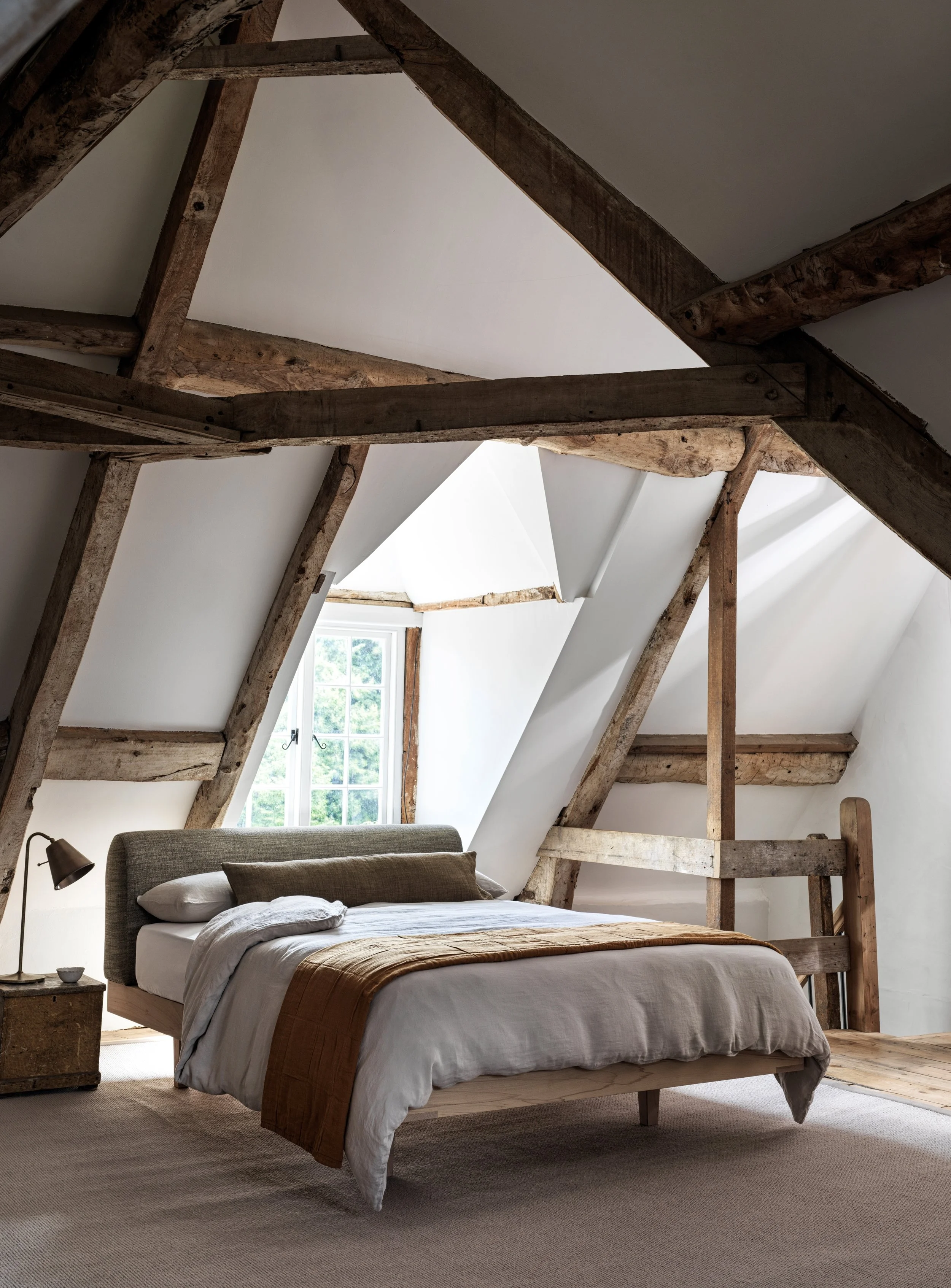
Image credit: Naturalmat
Featured Partner Post
Loft and basement conversions are practical home improvement projects that help you gain more space without the expense of extending your property. A conversion can create a whole new area of your home that can be useful for a home office, guest room, or even a seperate space for the kids to hang out in.
In order to approach the project with efficiency in mind and add value to your home, here are seven key considerations when thinking about converting these previously unused spaces.
Proper Insulation
In lofts and basements that weren't designed for everyday use, insulation is often treated as an afterthought. However, it’s essential to insulate these converted spaces in order to create a warm and cosy environment throughout the seasons and save money on expensive heating bills.
Insulation comes in many material options including fibreglass, natural fibres, cellulose, spray foam and rigid foam boards to reduce cold spots and stop heat from escaping.
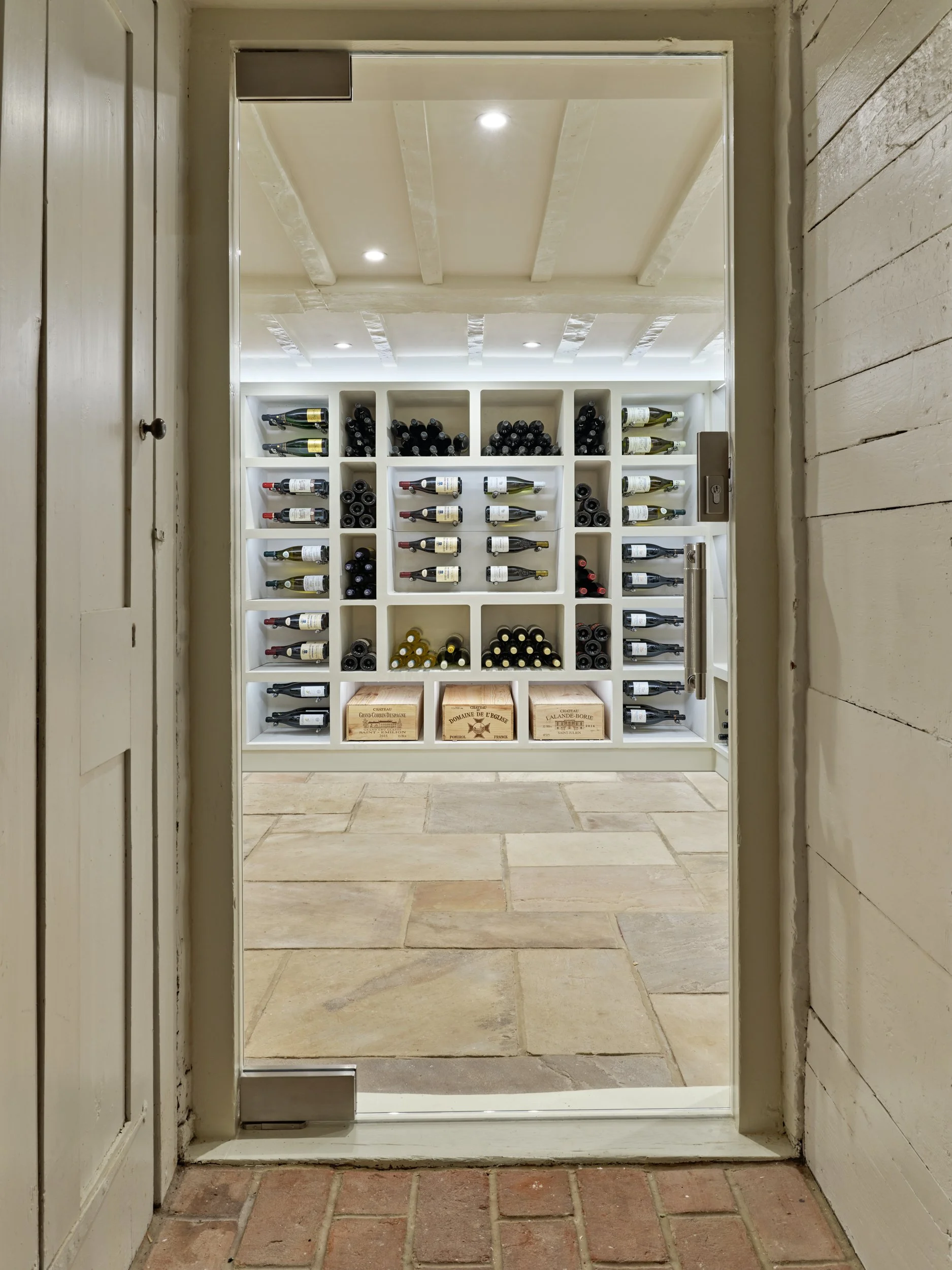
Image credit: Spiral Cellars
Heating Costs
Heat behaves differently depending on where your conversion is located. In lofts, warm air tends to rise, while basements often require clever solutions to evenly distribute the warmth.
Underfloor heating works a treat in basements, while carefully positioned radiators or super-low-profile systems are the way to go in lofts with limited headroom.
It’s also worth thinking about the long game when it comes to heating costs. Consider working with a trusted solar installer to get a handle on energy generation and management, bringing the heating costs down over time.
Creating a Visual Flow
One of the biggest traps in loft and basement conversions is making the new space look disjointed from the rest of the house. Think carefully on how to decorate these new rooms so that they tie in with the rest of your home. You could continue with same paint colours that are used throughout your home, or add the same flooring material for continuity.
Add art to the walls and decorative elements to make the new space feel cohesive and not just a bland ‘add-on’ room.
Working With Awkward Spaces
Lofts and basements rarely offer perfectly symmetry and are often boxy spaces with sloped ceilings, low head heights and awkward corners. Structural columns can also add to the challenge!
Custom furniture and built-in storage can make the most of every inch of space, especially in lofts where standard furniture might not fit. For converted small spaces, use ‘skinny furniture’ with slim frames and legs so that light and air travel around it, keeping the converted room feeling light and open.
Managing Sound and Acoustics in Converted Spaces
Sound management should be a priority when planning your conversion. While insulation does help reduce noise transfer, it's not usually enough on its own.
Consider acoustic wall systems, solid-core doors, or suitable flooring to keep the sound contained and prevent echoes. Additionally, soft furnishings like rugs and upholstered furniture layer a space and block the transmission of noise.
Ensuring Strong WiFi
Lofts and basements often struggle with WiFi coverage because they're just too far from the router, or the walls and floors are too thick. Without doing some initial planning, this can really limit how you use the space.
Mesh systems, discreet access points, or signal boosters can all help ensure good WiFi coverage without cluttering the space with cables and hardware, so look into these before starting your conversion project.
Comfortable Lighting
Lighting makes a huge difference in how a converted space works for a home. For lofts, this can be challenging because natural light can be hit-or-miss, depending on where the windows are, while basements usually have to rely on man-made lighting.
Make sure that you have a mix of lighting for how you use the space. For a home office, you’ll require some task lighting to focus, while a games room or hang out space will require more ambient lighting that isn’t so harsh on the eyes.
My favourite finds at London’s Affordable Art Fair…