
Making Space Work: How to Refresh and Redesign Your Home with Purpose
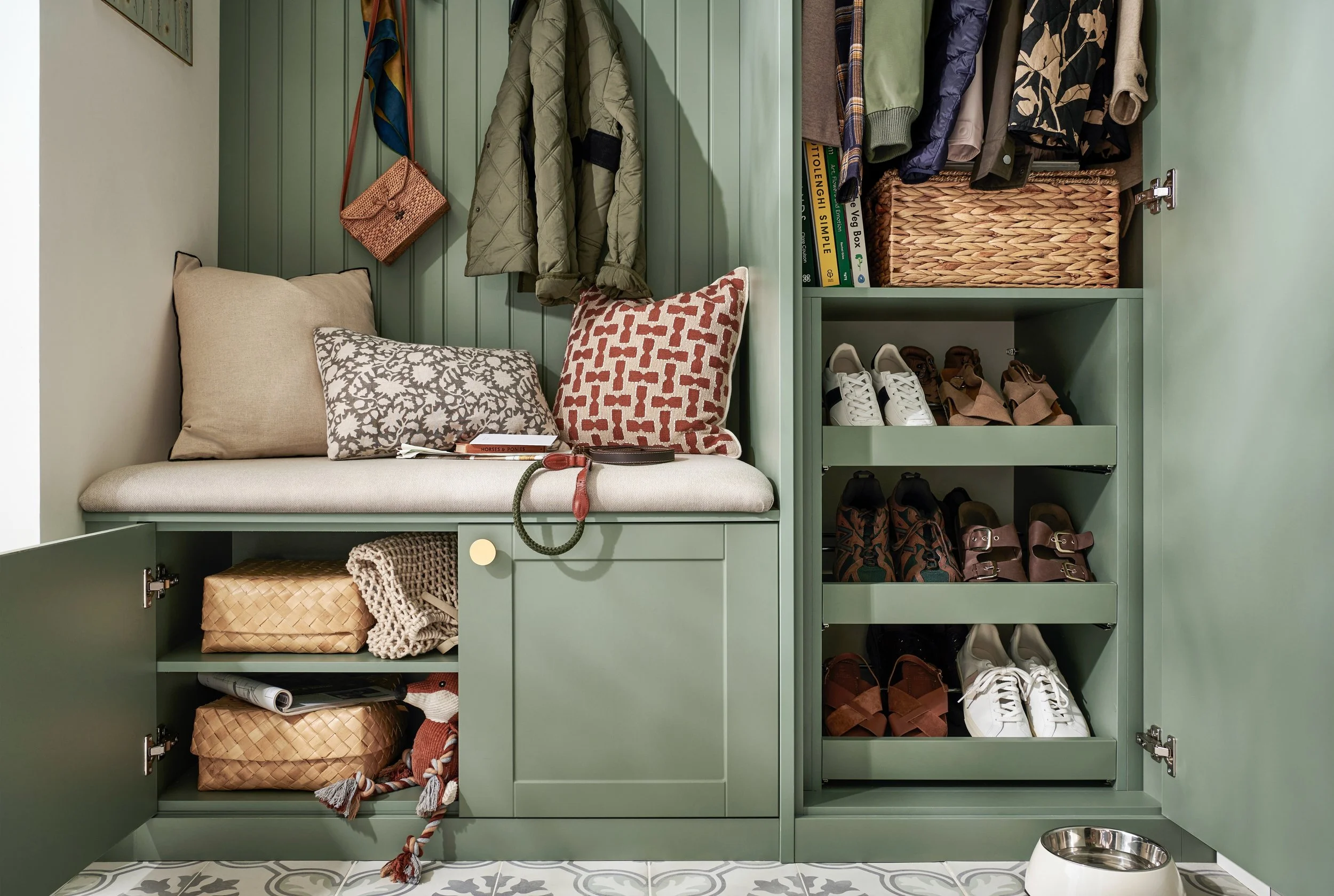
Image credit: Sharps
As soon as January arrives, it immediately ignites something in me to get my home organised, decluttered and sorted out for the year ahead. Tidying jobs that I haven’t tackled all year I take on with immense gusto. Within the first few days of 2026, I had cleared, organised and categorised my loft (a job needing to be done for months), emptied and dusted the inside of my wardrobes, and created a Vinted account to list a load of shoes that I haven’t worn for 20 years.
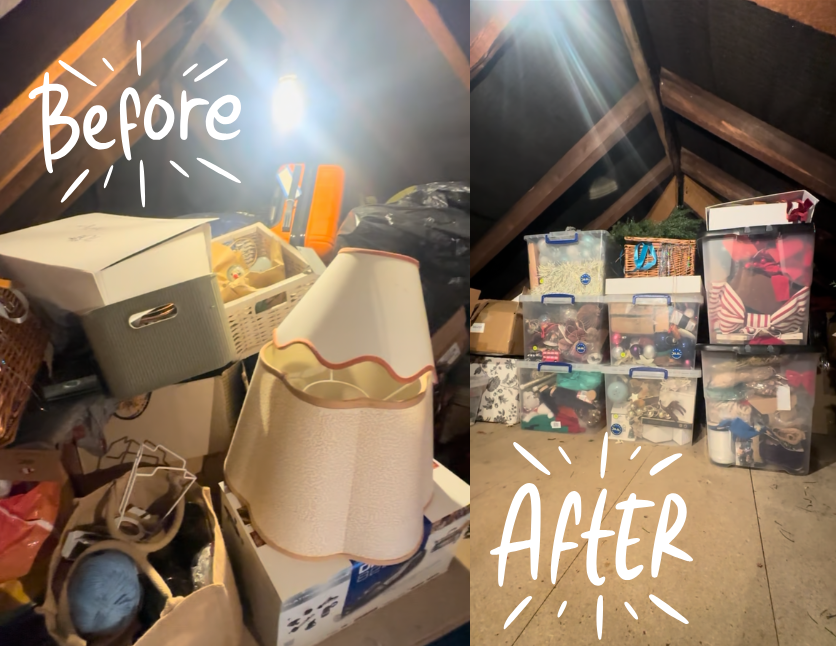
The before and after of my loft after I cleared it out two weeks ago!
I tend to follow a process when refreshing and organising my home, as well as planning smart design changes depending on how each room is used. Below, I’ve listed a few of my favourite practical tips on redesigning and decluttering for the New Year ahead.
Start by Creating Space
Before I start to declutter any area, I will clear it out completely. Removing everything from the space will give you a sense of how much room you have and how it can be used more efficiently. It will also enable you to give it a deep clean without anything being in the way.
Once the area is clean and clear, you can evaluate one piece at a time before you place it back. Consider if you’ve used the item in the past year or if it adds any particular value to your life. If not, it may be time to move it on. However, decluttering doesn't always mean that you have to throw things away - could the item be repurposed in another room? It may have more value being used elsewhere in your home.
If you want to hang onto the item, but it’s taking up valuable space and does not work anywhere else, self-storage could be the answer. Seasonal items, family heirlooms, or large furniture pieces that don’t suit this property (but might work in your next home) are ample items for self-storage. When I recently cleared my loft, I transported lots of faux flowers that I use for my seasonal doorscapes into a self-storage container, giving me lots more room to store everyday items like my steam cleaner or decorating tools.
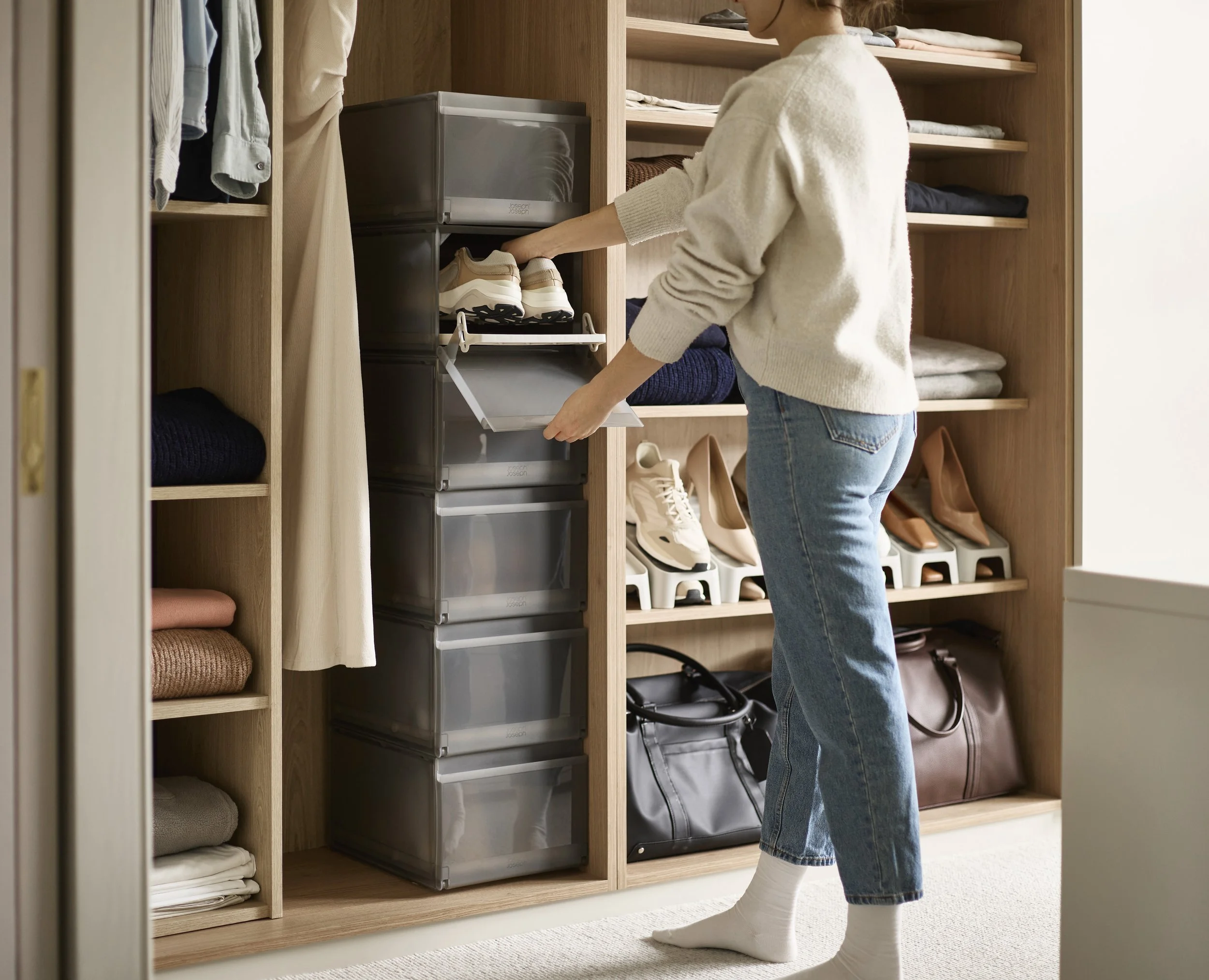
Image credit: Joseph Joseph
Large, clear plastic storage boxes are also a great way to categorise items and store them safely. I was given a great tip to write on a piece of paper everything that was in the box and place it facing outwards, so you can see what’s in the box before opening it (this is especially good if you’ve used multiple boxes and stacked them on top of one another).
Find a Purpose for Every Room
Homes often evolve without a plan - a spare room becomes a dumping ground, the dining table becomes a workspace, while corners fill with everyday clutter. Redefining how each space is used can make your home feel far more intentional and far more usable.
Ask what each room needs to do for you right now, not what it was originally designed for. This might be that a guest room becomes more of a creative space, or a hallway that has become a storage space for coats, cloves and boots.
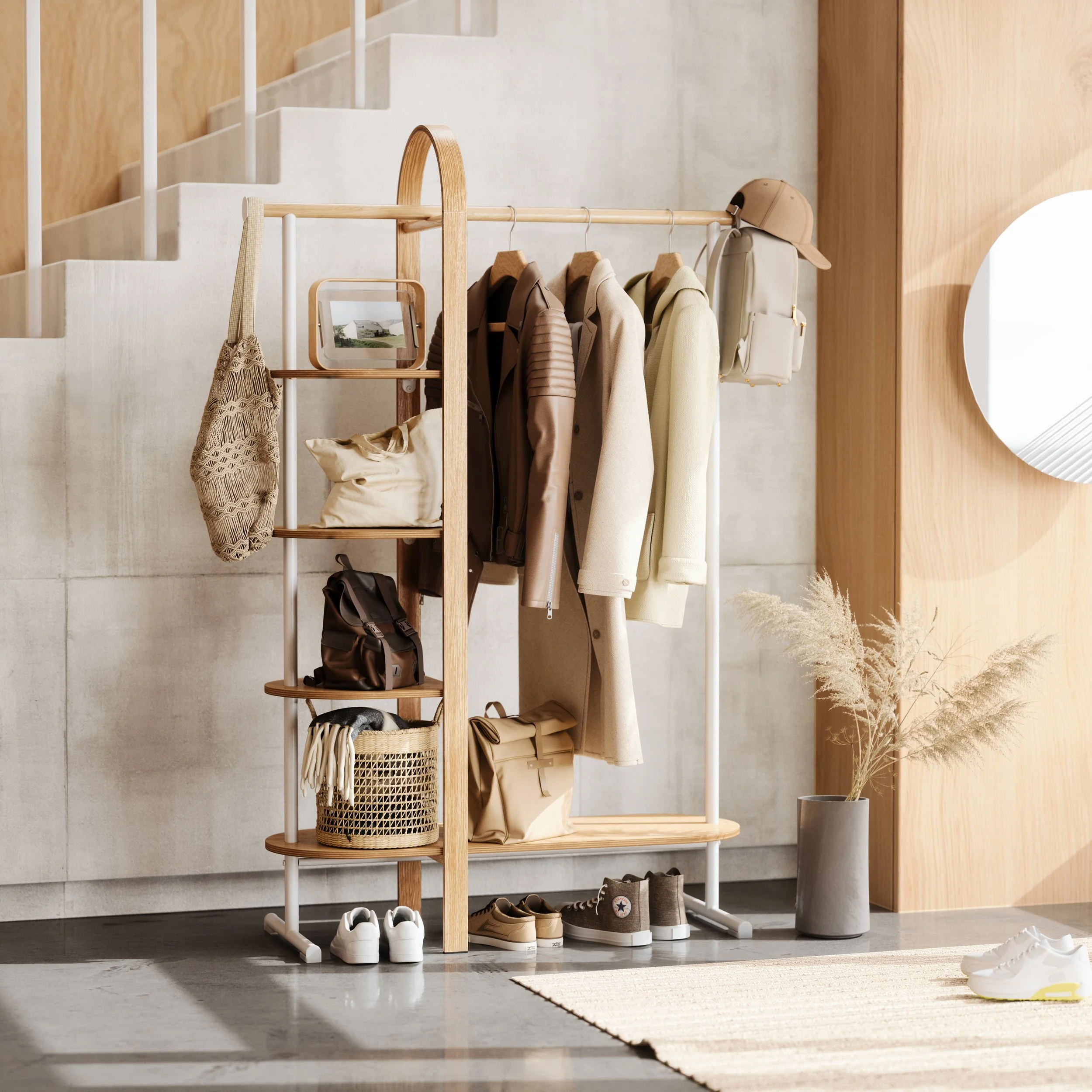
Image credit: Umbra
Consider installing built-in or freestanding furniture to avoid a build-up of items. A simple shoe rack, umbrella stand or a decorative peg rack can tidy and transform a busy entranceway.
Updating Surfaces for a Fresh Look
I’m a huge fan of small decorative storage baskets that give everything a place and stops surfaces from looking cluttered. I use small, woven storage baskets throughout my bathroom to hold everyday items and keep everything cleaner and neater. When items are categorised in baskets, and doesn’t give the impression of stuff just ‘left everywhere.’ For example, one box will contain toothpastes and flossing machines, another will hold everyday medications, with a third for clean face towels. The overall impression is much more considered space that avoids the appearance of clutter.
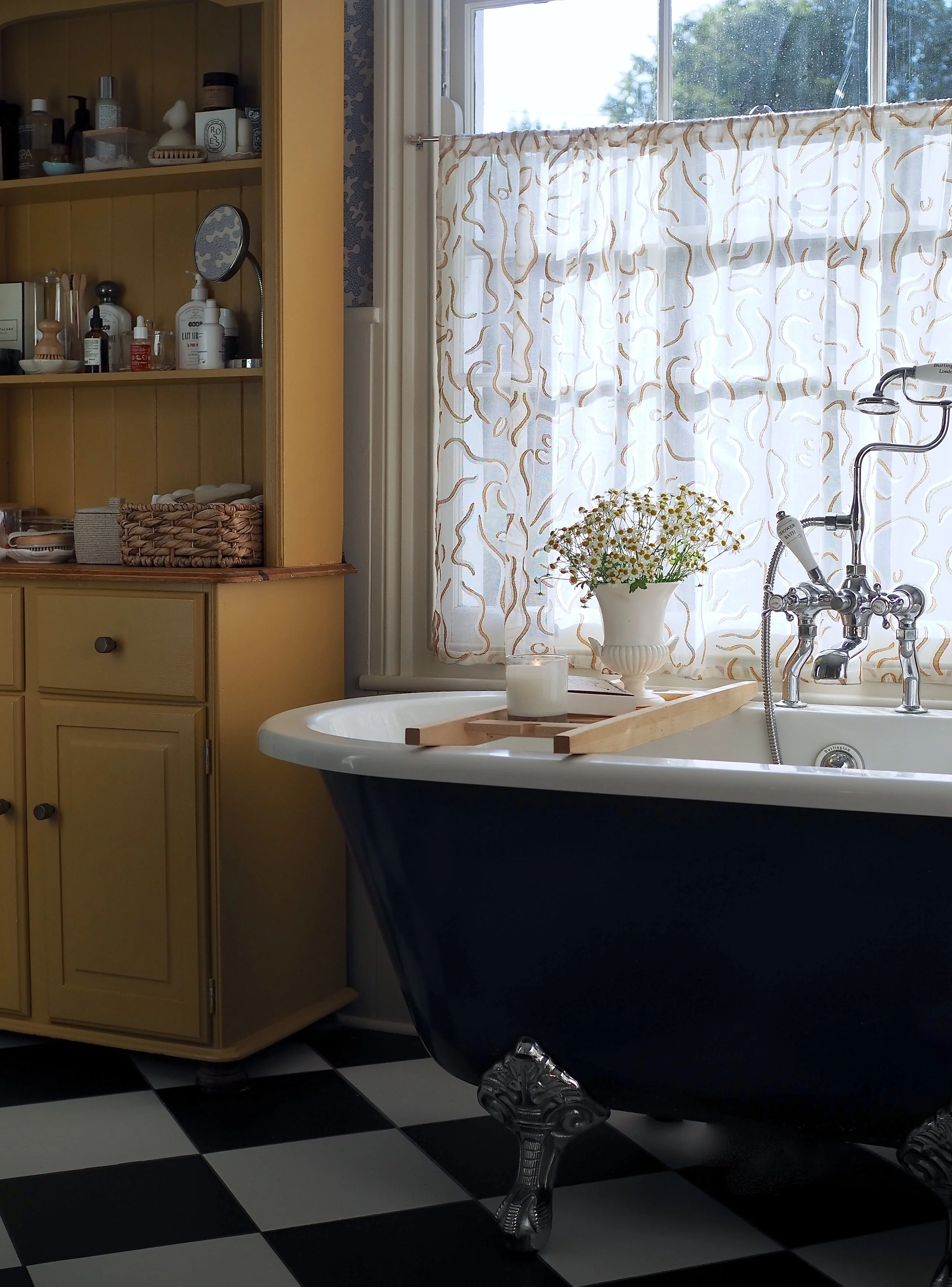
Consider furniture and lighting
Even making small adjustments, like repositioning furniture or adding better lighting, can make a huge difference. Open sightlines and clear pathways to create space. Moving sofas away from being placed directly against a wall can make a room feel larger and more open than being pushed back.
Make the most of wall space and light
You may feel that you don’t have enough square footage to store all your belongings or control clutter, but it’s important to utilise wall space that can accommodate all your belongings. Slimline shelves, hooks, and pull-down items like wall-hung drying racks and wire baskets can all host items that don’t have a designated place.
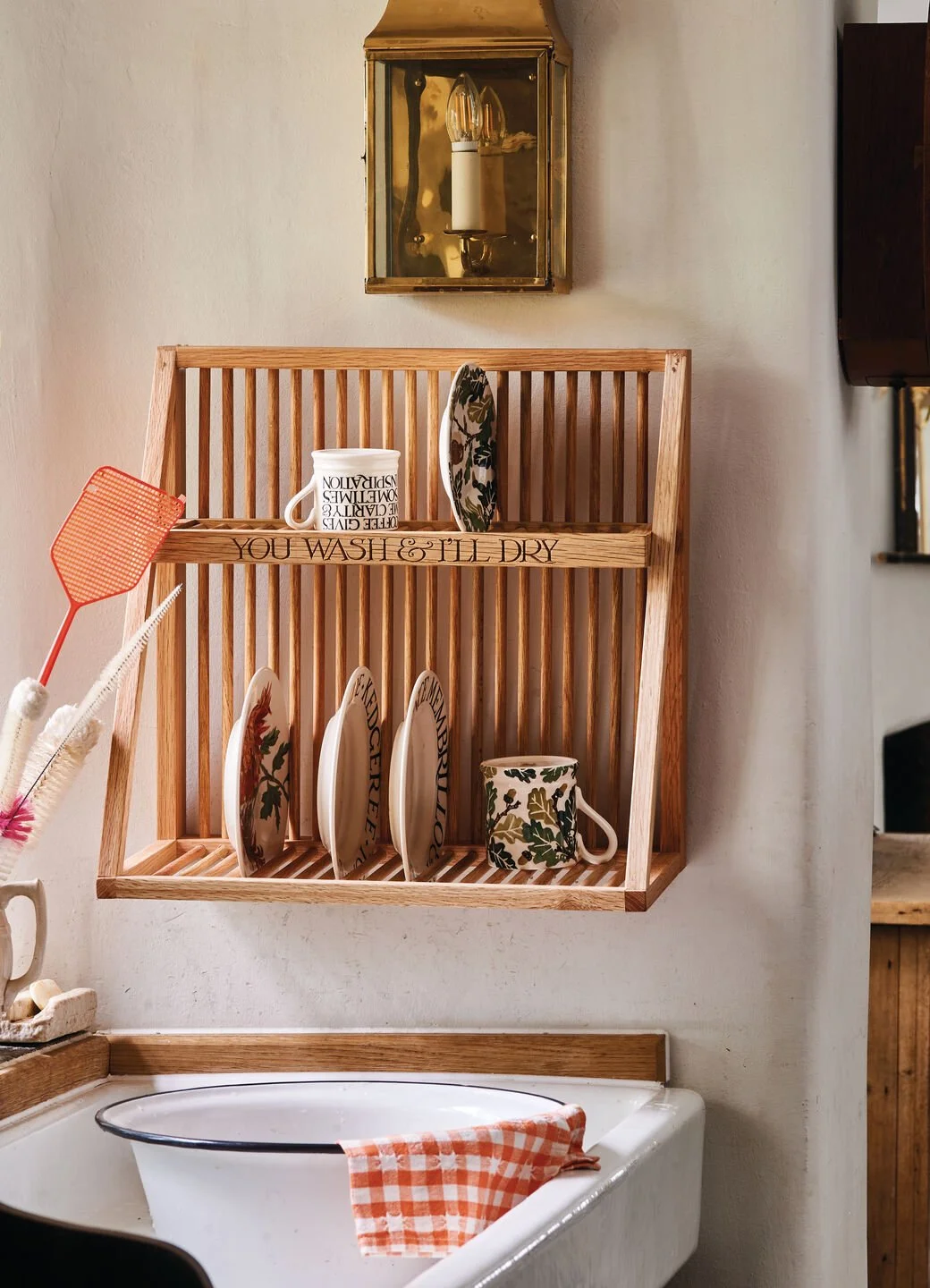
Image credit: Emma Bridgewater
To create the illusion of a more open, breathable room, make sure to consider natural light within your interior planning. Consider how light moves through each room during the day and place seating and work areas where they can benefit. Think about the window treatments that you have and make sure there is some flexibility - sheer curtains soften direct sunlight without blocking it completely, while blinds can provide you with privacy and some insulation.
Adding mirrors to your wall is a great way to double your light sources because you can reflect brightness into darker corners. When you place mirrors, think about what they are reflecting - aim for focal points such as windows or artwork.
A combination of ceiling, wall, and floor lighting is vital for making the most of the room throughout various times of the day. Using warm bulbs helps to bring comfort to living areas, while choosing cooler tones can be used in kitchens and offices where you need to focus.

Image credit: Cox & Cox
Balancing Style and Function
Make sure you choose pieces for your home that work hard for your lifestyle. Multi-functional furniture, such as coffee tables with hidden storage or foldable desks, can help make smaller homes more adaptable.
All these small changes can lead to a more practical, tidy and organised home.
Check out these five brands I loved at Decorex…