
The Bedding Switch That Can Bring Your Whole Bedroom Scheme Together
Featured Partner Post
Creating a beautifully styled bedroom is about more than choosing the right paint colour or investing in an attractive bed frame - the finishing touches are just as important, and bedding is one of the easiest ways to bring the whole room together.
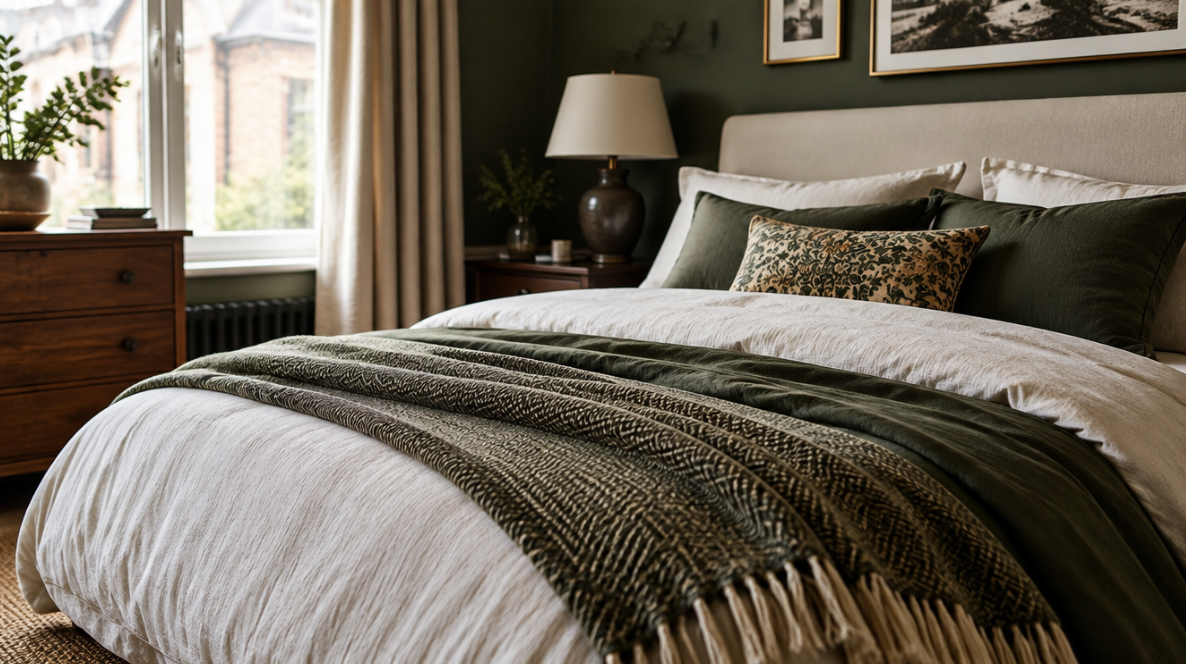
As the largest piece of furniture in most bedrooms, the bed naturally draws the eye; the colour, texture and finish of your bedding can influence how the rest of the room feels, helping different elements to work together to create a cohesive and inviting space.
Whether you prefer a relaxed, neutral bedroom or a scheme filled with colour and pattern, choosing bedding that complements your existing décor can make a noticeable difference.

Why Bedding Deserves More Attention
When planning a bedroom makeover, it is easy to focus on statement wallpaper, furniture and lighting while leaving bedding until last. However, the bed occupies a significant amount of visual space, making it an important part of the overall design.
For a calm, understated look, consider white, cream or soft neutral bedding; these shades work particularly well with natural wood, muted wall colours and textured accessories. If your bedroom feels a little flat, introducing richer tones or subtle patterns can add depth without overwhelming the space.
Texture is equally important. Smooth bed linen can create a more refined finish, while knitted throws, quilted bedspreads and decorative cushions introduce layers that make the room feel more considered.
The key is to choose materials and colours that complement the elements you already have, rather than making every item match.
Three Things to Consider When Choosing Bedding
1. Choose a Fabric That Suits Your Needs
Comfort should be a priority when selecting bed linen; different fabrics have different textures, finishes and care requirements, so it is worth considering how you prefer your bedding to feel.
Cotton remains a popular choice for its familiar feel and versatility, while linen offers a more relaxed, textured appearance, making it a natural fit for rustic, coastal and understated interiors.
Bamboo viscose is definitely an option worth exploring, as it is often chosen for its smooth feel and fluid drape that can create a soft, relaxed appearance across the bed. As with any bedding material, check the manufacturer's care instructions and product specifications before purchasing.
Think about how the fabric will work with the rest of your bedroom, also. A softly draped material can complement curved furniture and flowing curtains, while a crisp finish may suit a more structured, contemporary scheme.
2. Consider the Weave and Finish
The weave of a fabric influences its appearance and feel. Sateen, for example, is known for its smooth surface and subtle sheen, making it a useful option for bedrooms where you want to introduce a little understated elegance. This finish can work particularly well alongside matte-painted walls, wooden furniture and tactile accessories, as the contrast between different surfaces adds depth without requiring additional colours or decorative details.
If your bedroom already features patterned wallpaper or bold furnishings, a simple bedding finish can help balance the scheme. Alternatively, if the room feels plain, a gentle sheen or an interesting fabric texture can provide an extra layer of visual interest.
3. Look Beyond Thread Count
Thread count is often used as a measure when comparing bed linen, but it should not be the only factor influencing your decision. The type of fibre, the construction of the fabric and the quality of the finish all contribute to how bedding feels and performs (a higher thread count does not automatically mean that a particular set will be more comfortable or suitable for your needs).
Instead of choosing bedding based on a number alone, consider the overall fabric quality, how it feels against your skin, how easy it is to care for and whether it suits your preferred sleeping environment.
Checking these details can help you make a more informed choice and select bedding that works for both your lifestyle and your bedroom design.
How to Make Bedding Work With Your Bedroom Scheme
Once you have chosen the right fabric and finish, think about how the bedding will sit alongside your existing décor.
For neutral bedrooms: Layer different shades of white, beige and cream to create depth without introducing too much contrast. A textured throw or a pair of decorative cushions can stop the scheme from feeling flat.
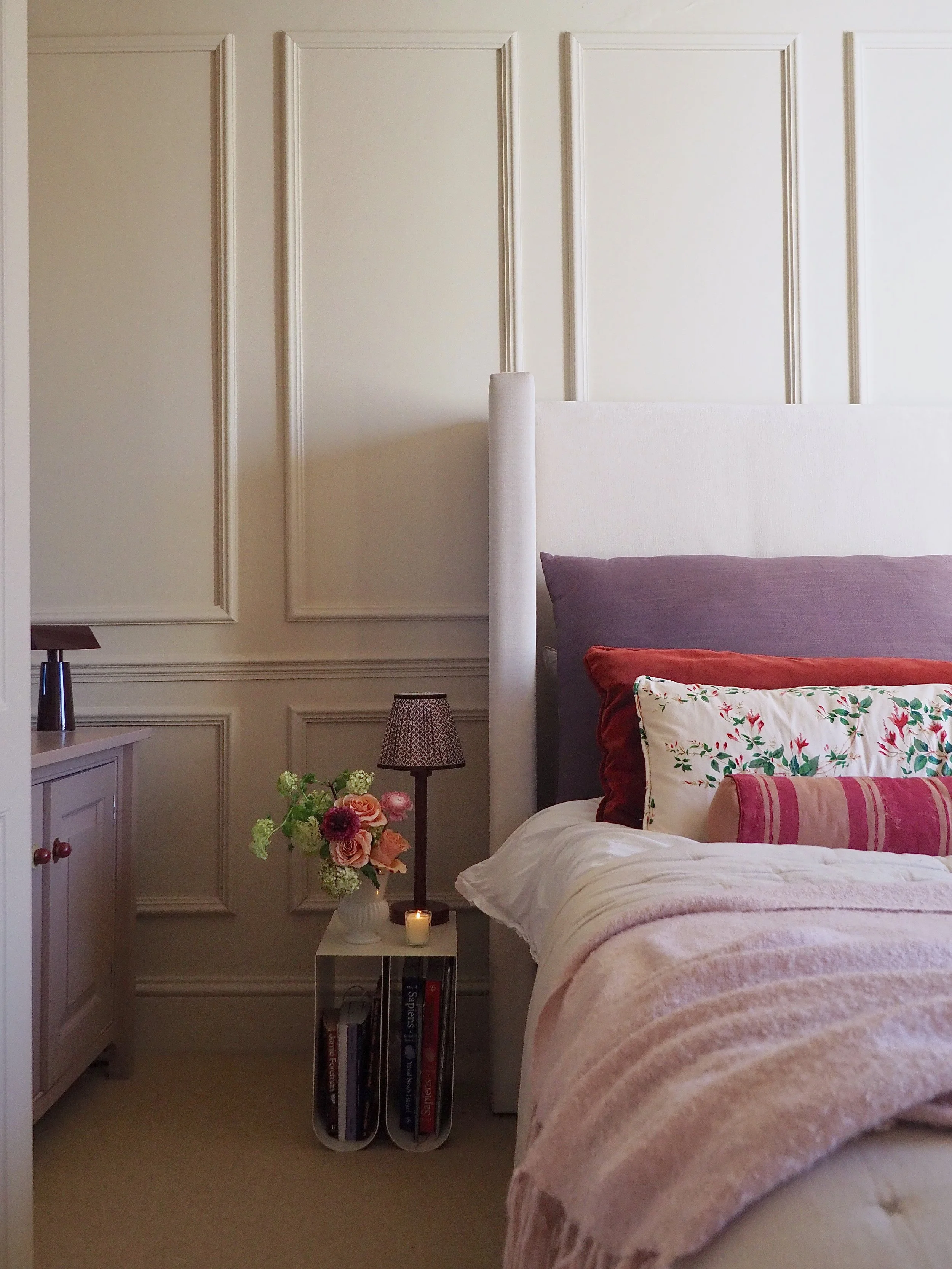
For colourful bedrooms: Pick out one or two shades from your wallpaper, curtains or artwork and repeat them in your bedding. This creates a visual connection between different parts of the room.
For traditional interiors: Consider classic colours, subtle patterns and layered bedspreads that complement decorative furniture and timeless accessories.
For contemporary spaces: Keep the look simple with clean lines, restrained colours and carefully chosen textures. A smooth bedding finish can work particularly well against a statement headboard or a bold feature wall.
You do not need to replace every item in the room to achieve a fresh look. Sometimes, updating the bedding is enough to make existing furniture, lighting and accessories feel more connected.
Finding a Bedding Set That Brings Everything Together
For those looking to combine fabric, finish and practicality in one purchase, bamboo viscose bedding is an option worth considering.
British bamboo bedding brand Lost Loom offers a range to explore for anyone interested in this material. When comparing sets, look at the stated fibre composition, weave, thread count and care requirements to determine whether a particular product suits your preferences.
A set combining 100% bamboo viscose, a 400 thread count and a sateen weave brings together three features that may appeal to shoppers looking for a smooth finish and a softly draped appearance. As with any bedding purchase, the best choice depends on individual comfort preferences, budget and how the fabric fits into the wider bedroom scheme.
The aim is not simply to buy a new set of sheets, but to choose something that works with the colours, materials and furnishings already in your room.

Make the Bed the Finishing Touch
A well-designed bedroom does not need to be filled with expensive furniture or constantly updated accessories. Often, it is the relationship between the larger elements and the smaller finishing touches that makes a space feel complete.
Bedding is an important part of that balance. By paying attention to fabric, texture, colour and finish, you can create a bed that complements the rest of your décor and helps the room feel more cohesive.
Before buying anything new, take a moment to look at your bedroom as a whole. Consider which colours you want to emphasise, where you could introduce more texture and whether your current bedding supports the look you are trying to achieve.
A thoughtful choice can refresh the appearance of your bedroom without requiring a complete makeover, helping you create a space that feels comfortable, welcoming and personal to you.

[Sponsored Content] Luxury interior design inspiration as seen in modern super yacht decor…