
How to Choose Between Porcelain and Natural Stone Floor Tiles for Your Dream Home
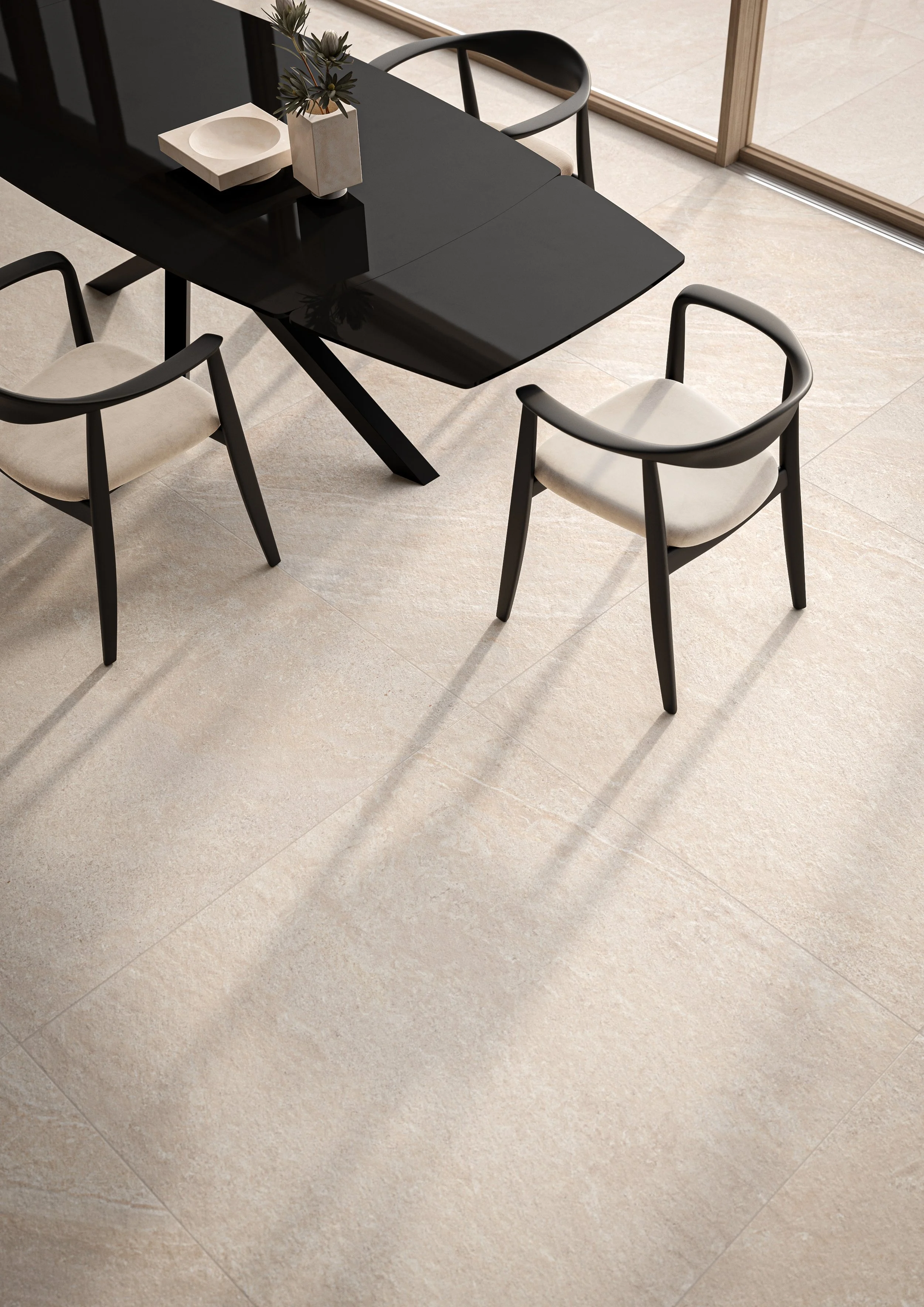
Sponsored content: This post has kindly been sponsored by Casalgrande Padana. All thoughts, words and opinions are by MELANIE LISSACK.
I am currently in the process of selecting tiles for my new kitchen floor as part of our large kitchen extension and renovation project. I know that this is one of the most important choices that I need to make - it will be the foundation upon which everything else sits and aesthetically, it will be the base upon which I make other interior design choices from. Floor coverings cannot be changed easily like a paint colour can, so it’s crucial that I make the right decision!
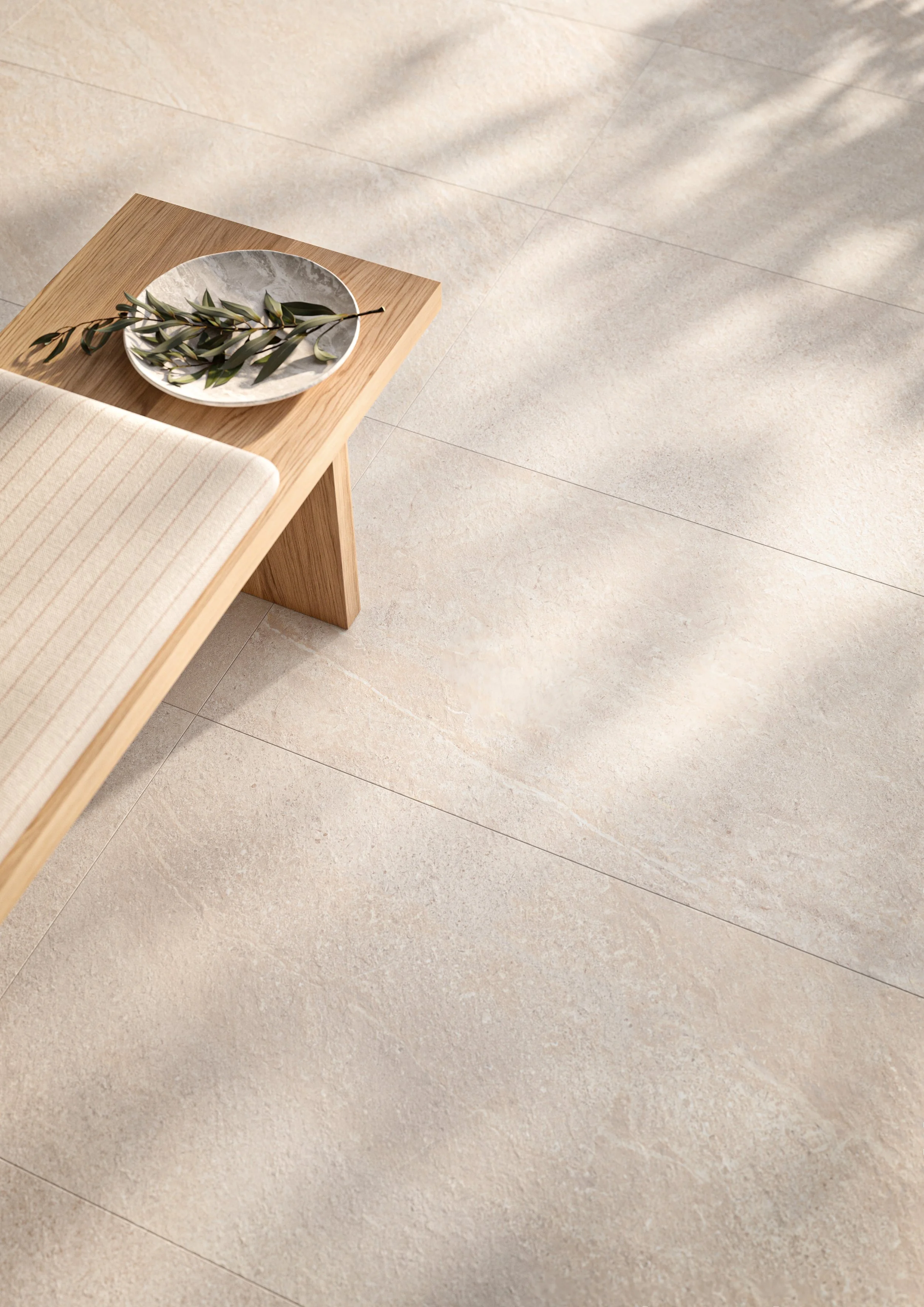
Saxum Beige Natural Porcelain Stoneware Tiles by Casalgrande Padana.
I’ve already decided on tiles for our kitchen floor as we will be installing underfloor heating; tiles are the best material for thermal conductivity, so the heat will be spread out evenly throughout the space. The question is, what type of tile should I opt for? The choice splits between natural stone options such as marble, travertine, or limestone, or high-quality, modern porcelain stoneware options that accurately replicate the look and feel of natural stone (without all the drawbacks).
Saxum Beige Natural Porcelain Stoneware Floor Tile by Casalgrande Padana.
When selecting flooring for your home, there are six considerations that need to be carefully thought about and that I have taken into great consideration for our own renovation project:
Is the room that you are installing floor tiles used multiple times daily? For example, if you are installing a new kitchen floor, is your kitchen the heart of the home? If so, the room would be considered a ‘high traffic area’ and you’ll need floor tiles that are durable and won’t chip or scratch easily.
What do you use the room for? Cooking? Bathing? If your room works hard, you’ll need a floor that is anti-slip, stain-resistant and easy to clean with anti-bacterial cleaning agents.
Do you have a busy lifestyle? Is your time limited? If so, your floor will need to be low-maintenance as you won’t have time to keep on top of protecting it via sealing the tiles on a regular basis.
Aesthetics: what tile designs appeal to you the most? What would suit the style of your home?
Budget: measure your floor and check how many tiles that you need, then calculate if they come into budget.
Size: what size tiles would suit your space? Is your preferred tile design available in multiple size options?
Depending on how you answered these questions, you should be able to work out if high-maintenance natural stone floor tiles are right for you. It might be that durable and low-maintenance porcelain stoneware floor tiles would be the better option.
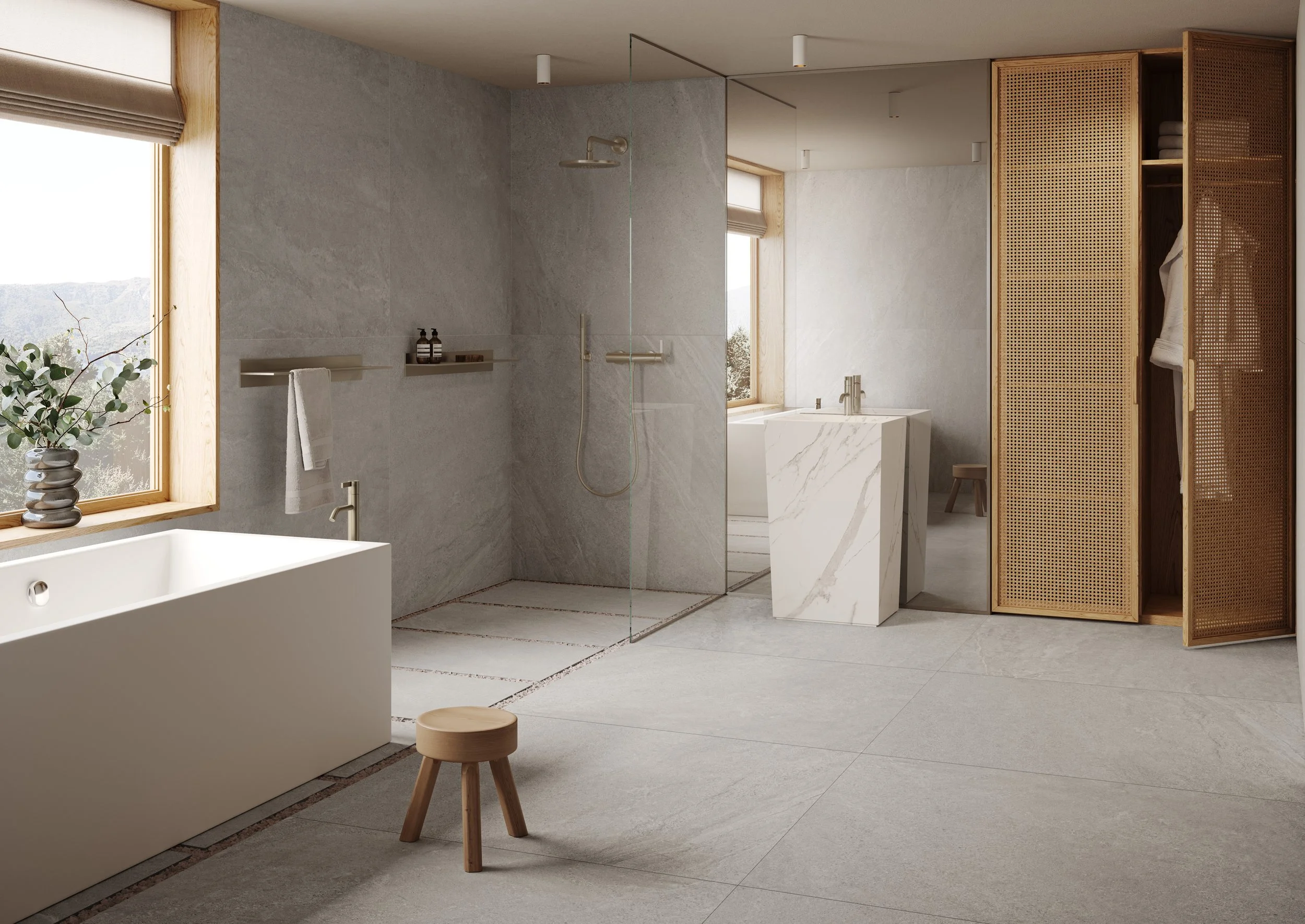
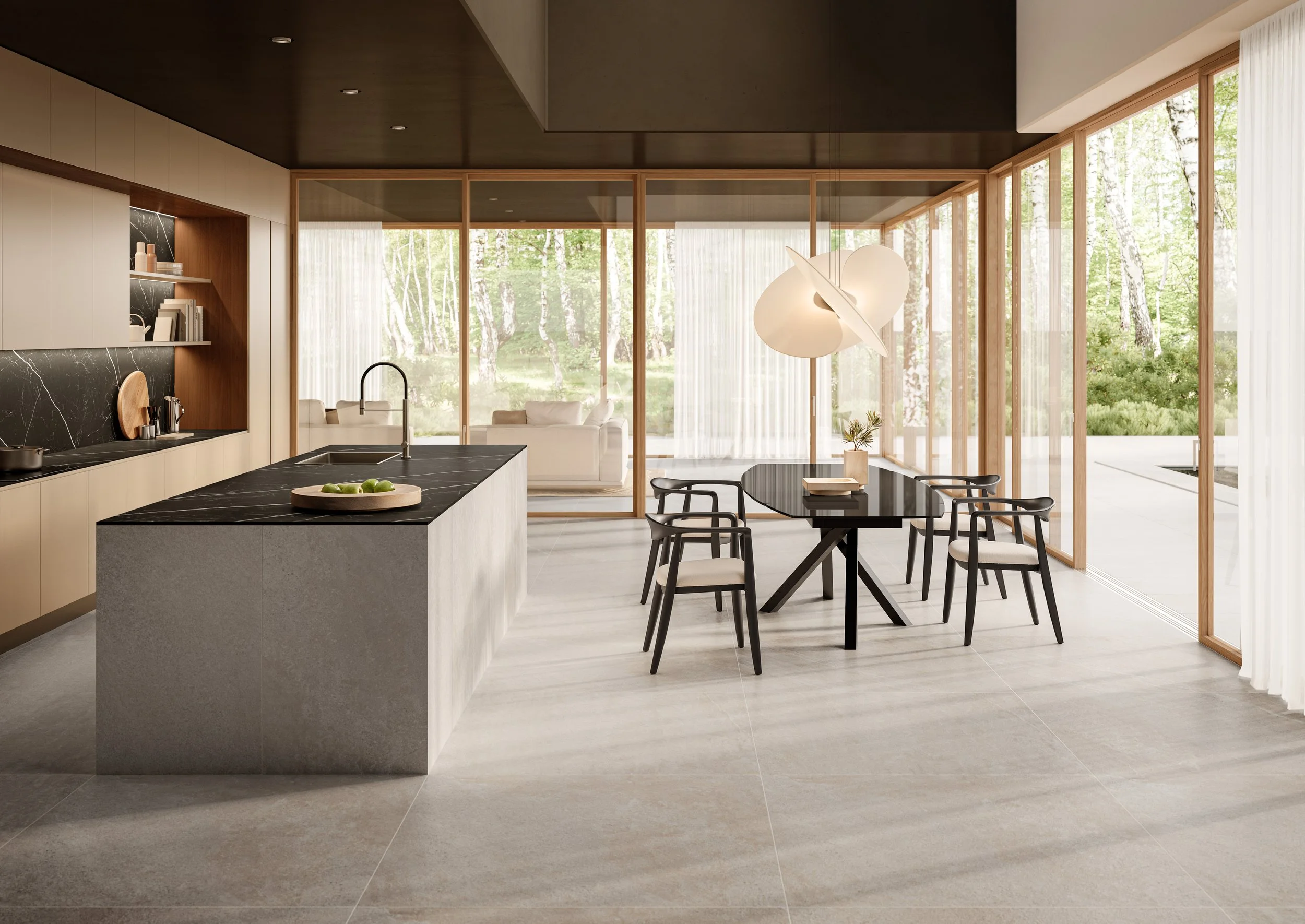
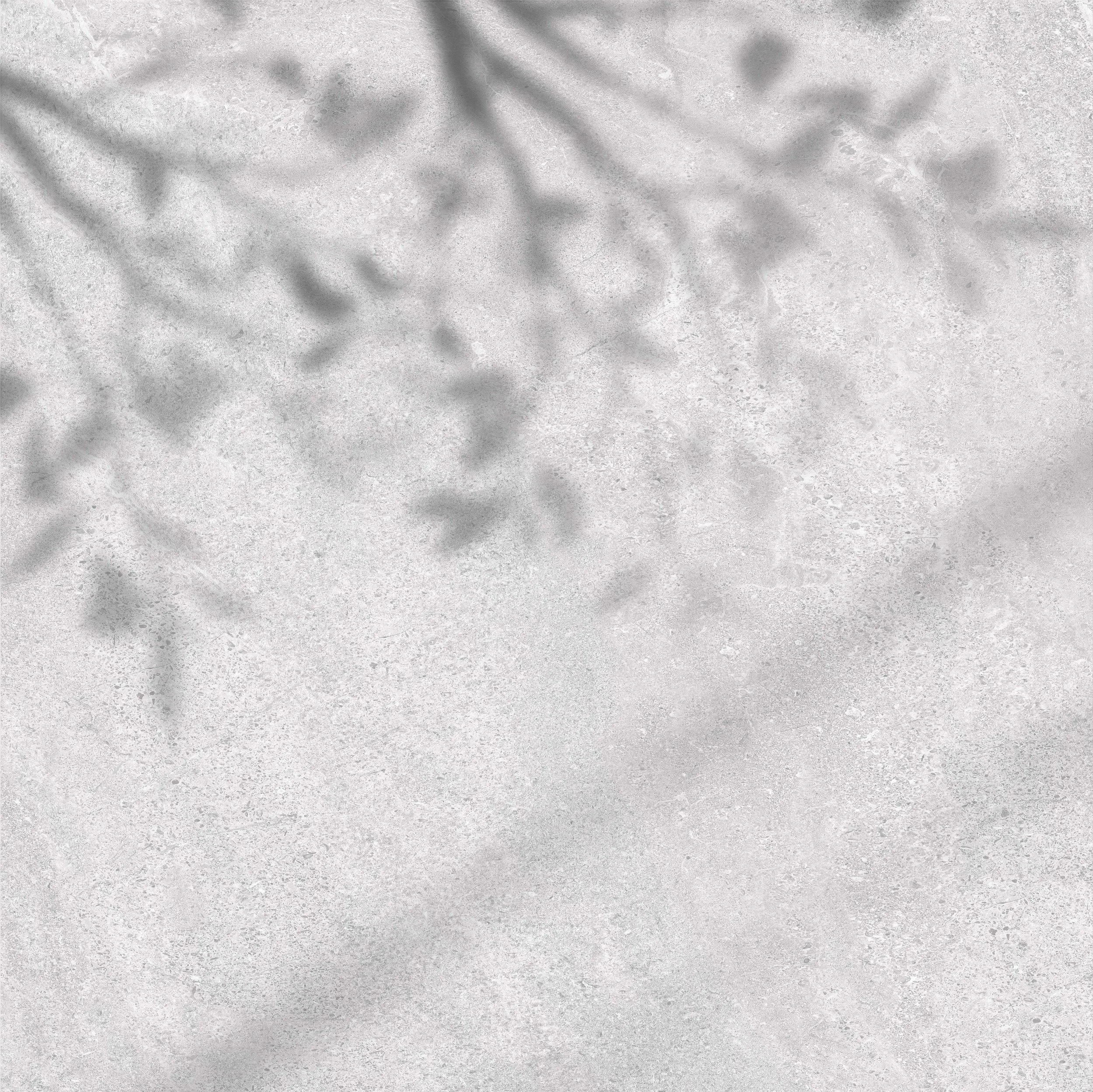
Saxum Grigio Natural Silk tiles by Casalgrande Padana.
Natural Stone Floor Tiles
A natural stone floor tile is a tile that is made in its entirety from organic natural stone, with marble, limestone, slate, travertine, and sandstone being some of the most common natural stone floor tile options.
Natural stone floor tiles often appeal to consumers because of the allure of the unique character and the authentic quality. If it is carefully installed, well-maintained and cared for, it’s a wonderful addition and natural stone is a good conductor of heat, working well with underfloor heating (although, if it's not turned on, a stone floor will be bitterly cold and hard underfoot, especially in a UK climate).
However, there are some major drawbacks with natural stone floor tiles that many people are not aware of when they order real stone tile samples:
Natural stone floor tiles require continuous sealing. Most people assume that being sealed straight after installation is all that is required for natural stone tiles, but in fact, they should be sealed annually (or more!). A sedimentary stone floor made from a material like limestone is incredibly porous and will require a regular impregnating seal coating over it to protect it. If it’s not sealed, the most basic of spills - including water - will cause stains to appear and your expensive floor could be completely ruined. If you don’t have the time for this high level of maintenance, natural stone may not be right for you!
Specialist cleaning.You cannot use bleach or traditional supermarket cleaners on natural stone as they will damage the surface. You also cannot use a steam cleaner over them either unless you are 100% sure that there is enough sealing agent in place to protect the stone from the steam. If you have pets, young children, or are partial to a home that is bacteria free, natural stone floor tiles would not be your best option.
Cost. Natural stone is seen as luxurious and therefore it is expensive. If you plan to tile a large area, it could eat up all your budget.
Damage. Even with sealing, you’ll need to be extra careful with acidic or stain-causing liquids and foods. Spilt vinegar, lemon juice, red wine and spices can ruin a natural stone floor, even if you look after it well and clean up the spill quickly. You’ll also have to be super careful not to drop a heavy object, as natural stone is prone to chipping and scratching on the surface.
High-Quality Porcelain Stoneware Floor Tiles
High-quality porcelain stoneware tiles are a modern alternative to natural stone tiles. For homeowners that love the look of natural stone but understand that they just aren’t practical for busy, everyday living, porcelain stoneware provides the option to combine the natural beauty and texture of real stone, alongside the latest durable and low-maintenance tile technology.
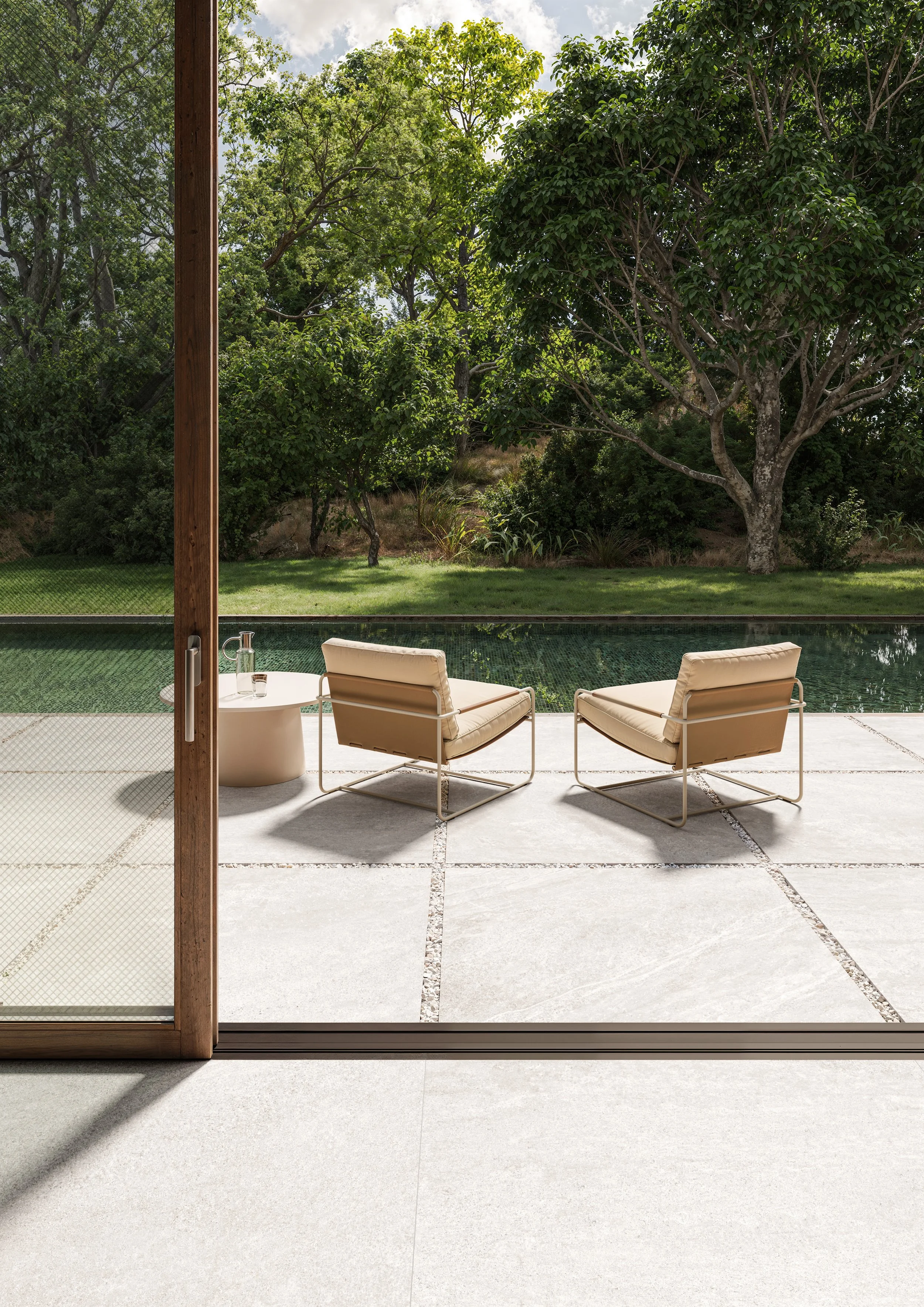
Saxum Bianco Outdoor Floor Tile.
Italian tile manufacturers Casalgrande Padana are at the forefront of natural stone-effect floor tile coverings. They offer a wide range of tile collections that replicate the colourings and veinings of natural stone with acute accuracy, as well as including the following practical benefits:
Durability: Casalgrande Padana’s porcelain stoneware tiles are highly durable, meaning that they won’t crack, chip or scratch easily.
Low-maintenance: All of Casalgrande Padana’s tiles are incredibly low maintenance. They require no sealing - even after installation - and they can take the application of bleach and other harsh household cleaning agents.
Even with no sealing, they are non-porous and water-repelling, so they are not prone to staining.
They are easy to install and won’t fade in sunlight.
Casalgrande Padana tiles are constructed entirely from natural materials such as clay and organic minerals that can be recycled easily.
For 2026, Caslagrande Padana has released their latest stone-effect tile collection titled Saxum - a range of floor and wall tiles that accurately replicate the ancient formations of natural stone.
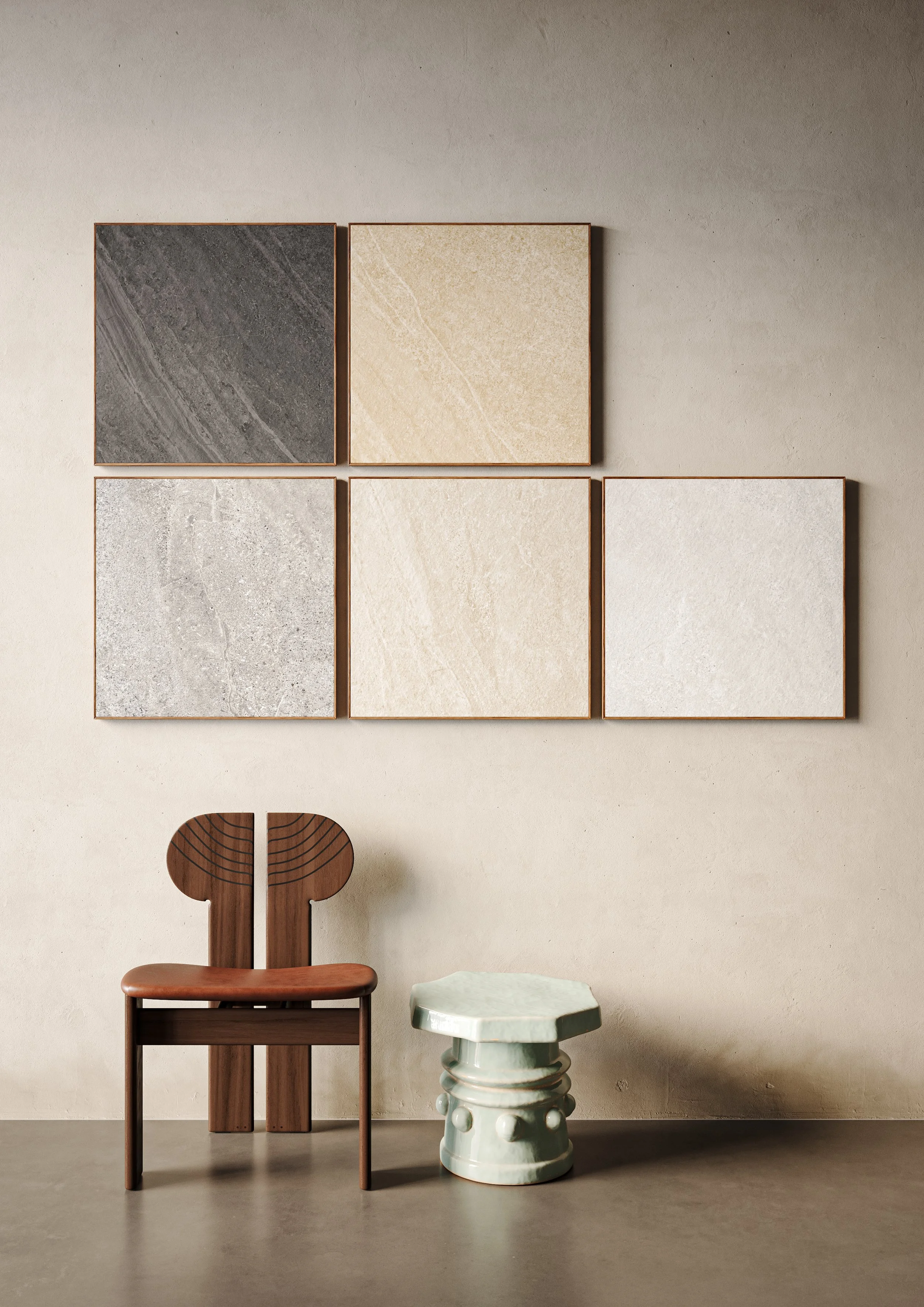
The 5 colourways of Saxum, the new stone-effect tile collection from Casalgrande Padana.
Containing random veining, delicate and earthy sandy shades, and a texture that mirrors the charm of materials that have accompanied humankind through the ages, the Saxum collection is available in five colours, multiple size options, and a range of finishes. Saxum is also available as an anti-slip option for outdoor areas if you want to continue your indoor flooring out to your patio or terrace.
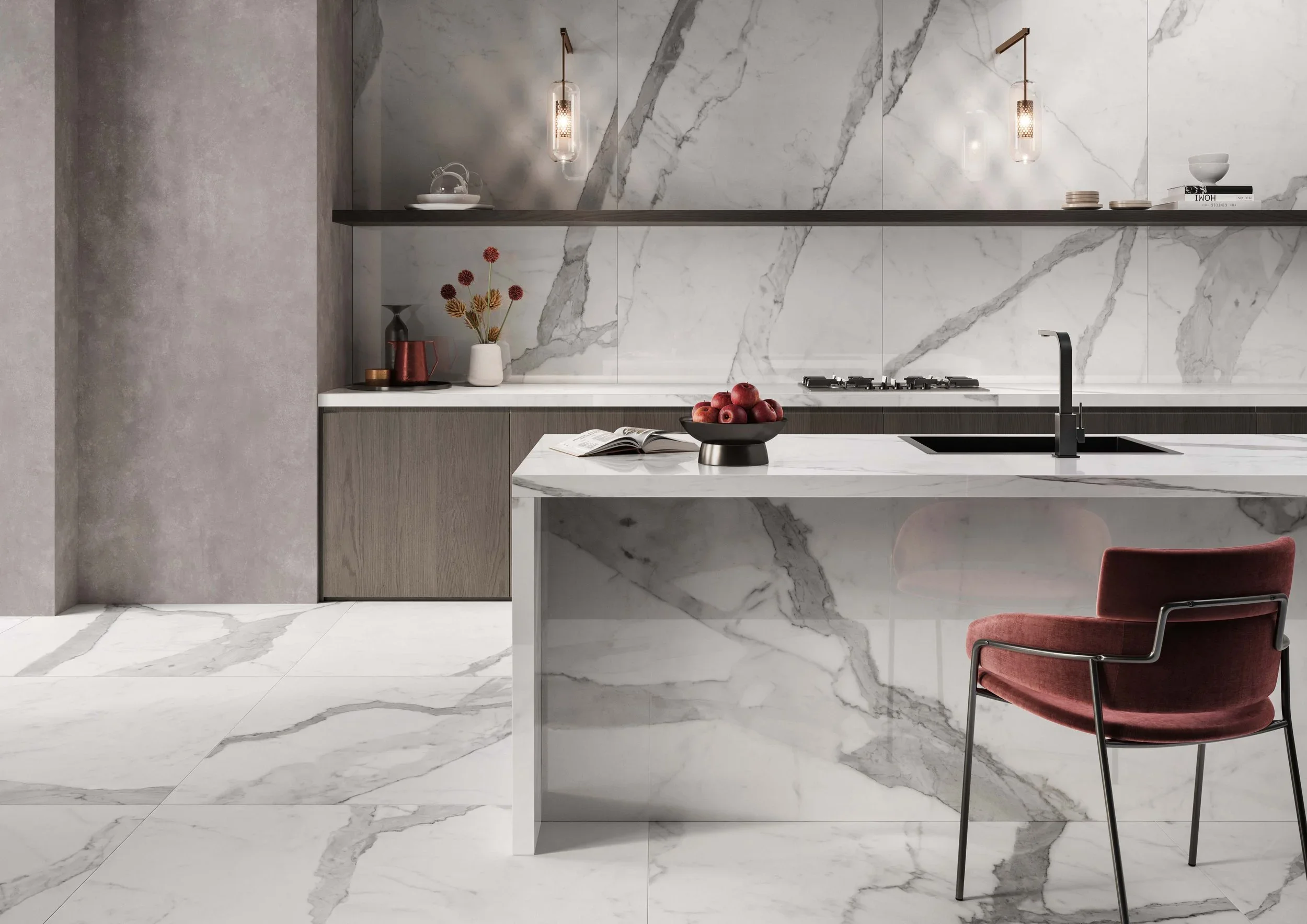
If you love the look of marble but the upkeep of real marble makes you nervous, the Alabastri, Marmoker and Marmosmart collections by Casalgrande Padana are just some of the marble-effect collections that offer a practical alternative to real marble floor tiles. Replicating all the classic features of natural marble - including the gentle veining and iridescent colouring - you can achieve a luxurious marble-look floor without the stress of maintaining it.
Natural travertine has been a huge interior trend and used in the most revered design schemes for the past few years. However, Travertine in its natural form will stain and scratch easily, and the small surface pits can lead to a build up of dirt and bacteria. A good alternative to get all the creamy warmth of this organic limestone is to instead use the Pietra Tiburtina collection from Casalgrande Padana, which contains the streaks and three-dimensional plays of light and shadows that you’d find in the organic stone. Available in both a vein-cut version (which emphasises the lengthwise layers of limestone) and a cross-cut version (with an antiqued finish), both versions combine Travertine’s charm with the strength of porcelain stoneware.
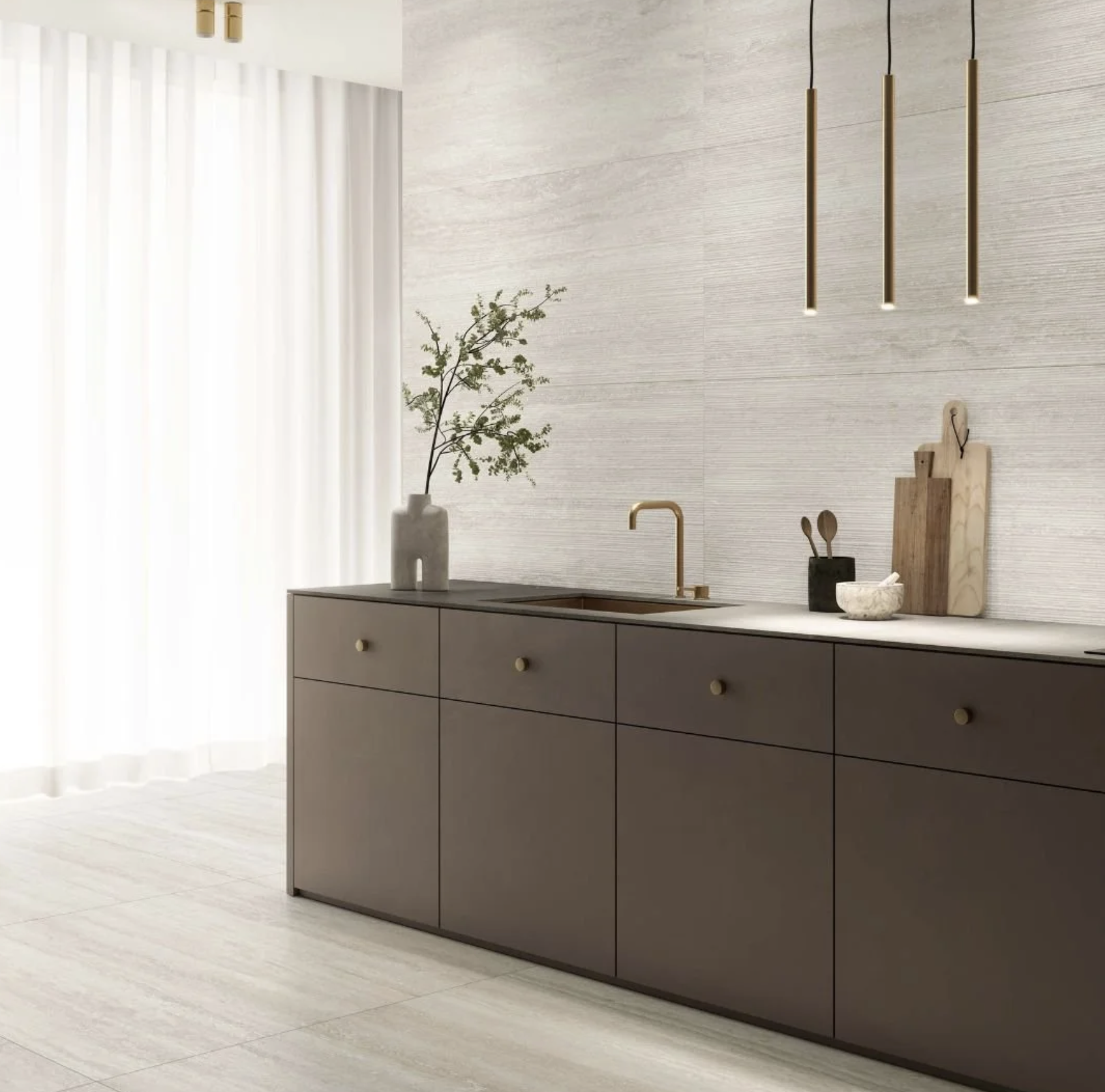
Pietra Tiburtina collection from Casalgrande Padana.
Conclusion
For our own kitchen floor, there is no contest. As a busy household with children and pets, high-quality porcelain stoneware is the only option that I would consider! Thanks to the technological advancements in stone replication by Casalgrande Padana, there is no need to compromise when it comes to having all the beauty of a natural stone floor, combined with the undemanding and hassle-free practicality of porcelain.

Check out these five brands I loved at Decorex…