
How Pendant Lights Create a Strong Focal Point in a Room
Featured Partner Post
Like fireplaces, architectural details and statement furniture, pendant lighting can be used as a strong focal point to anchor a space and give a room direction. Well-designed pendant lighting draws the eye, sets the mood, and can carry a whole room scheme when done correctly.
When picking pendant lighting for your home, it’s important to be mindful of both the function and the aesthetics - a pendant light should be a statement piece, but it also needs to provide enough task lighting required for the rooms purpose. If your room is an only used a relaxing space to watch films or TV, you don’t need to worry about your pendant providing enough tasking lighting. However, if pendant lighting is the only overhead lighting in a kitchen space, then it’s a different story, as you’ll need enough light to be able to see what you are doing when cooking on dark evenings.
The right light fittings can make a dining area feel grounded, add drama to an entryway, or bring character to a kitchen island. Do it correctly and your home will tick all the boxes when it comes to framing the layout and creating visual interest.
Why a Focal Point Matters
A focal point gives the eye a place to land and without one, a room can feel uncertain or scattered. If you do not have any architectural details providing this focus, a statement pendant light can help solve that problem by introducing a clear visual centre.
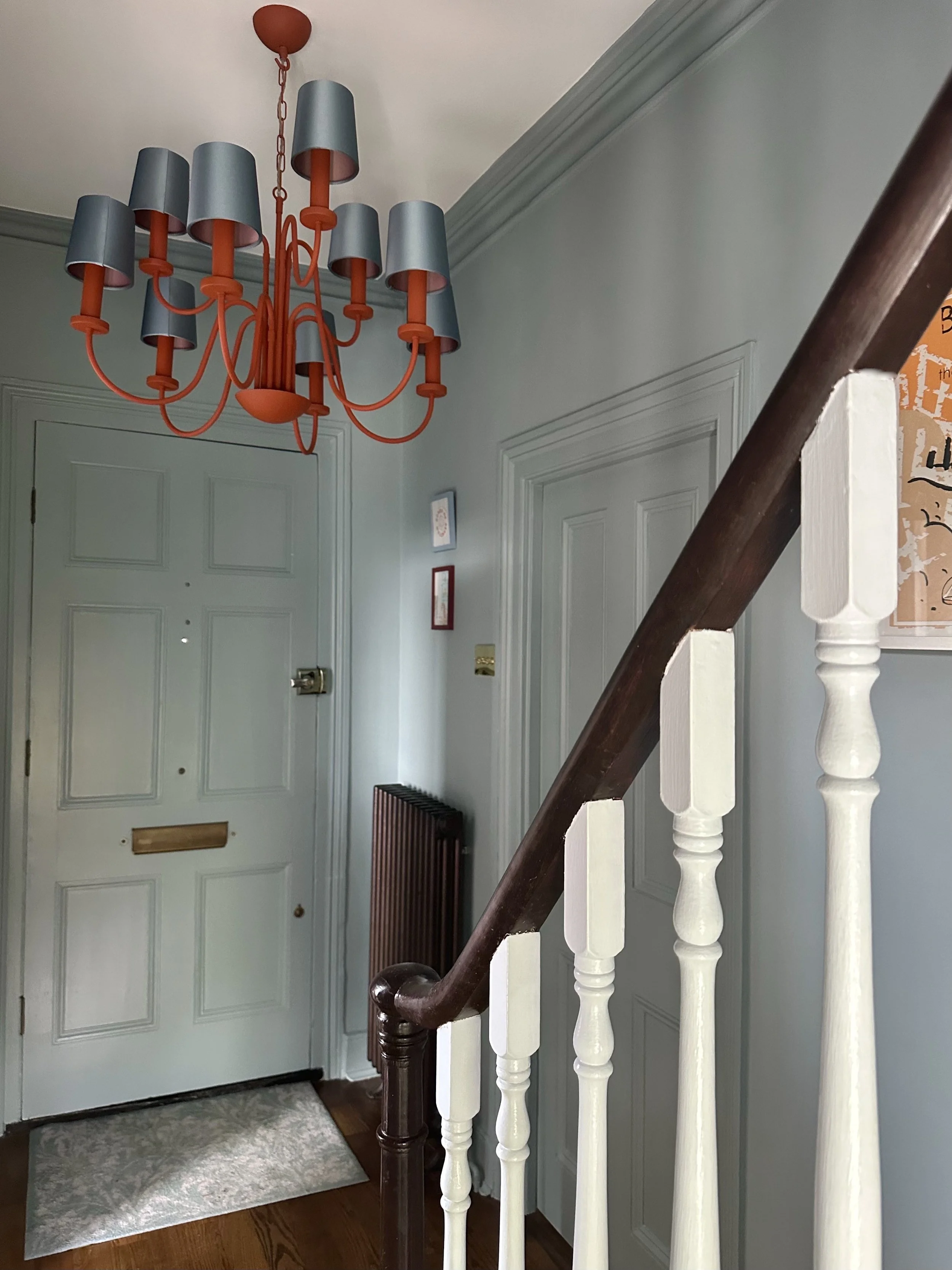
A dining room is a good example - a pendant or grouped pendant arrangement above the table helps mark that area as its own destination. In a hallway or stairwell, a striking pendant can create a strong first impression. In a bedroom, focal lighting can bring softness and shape.
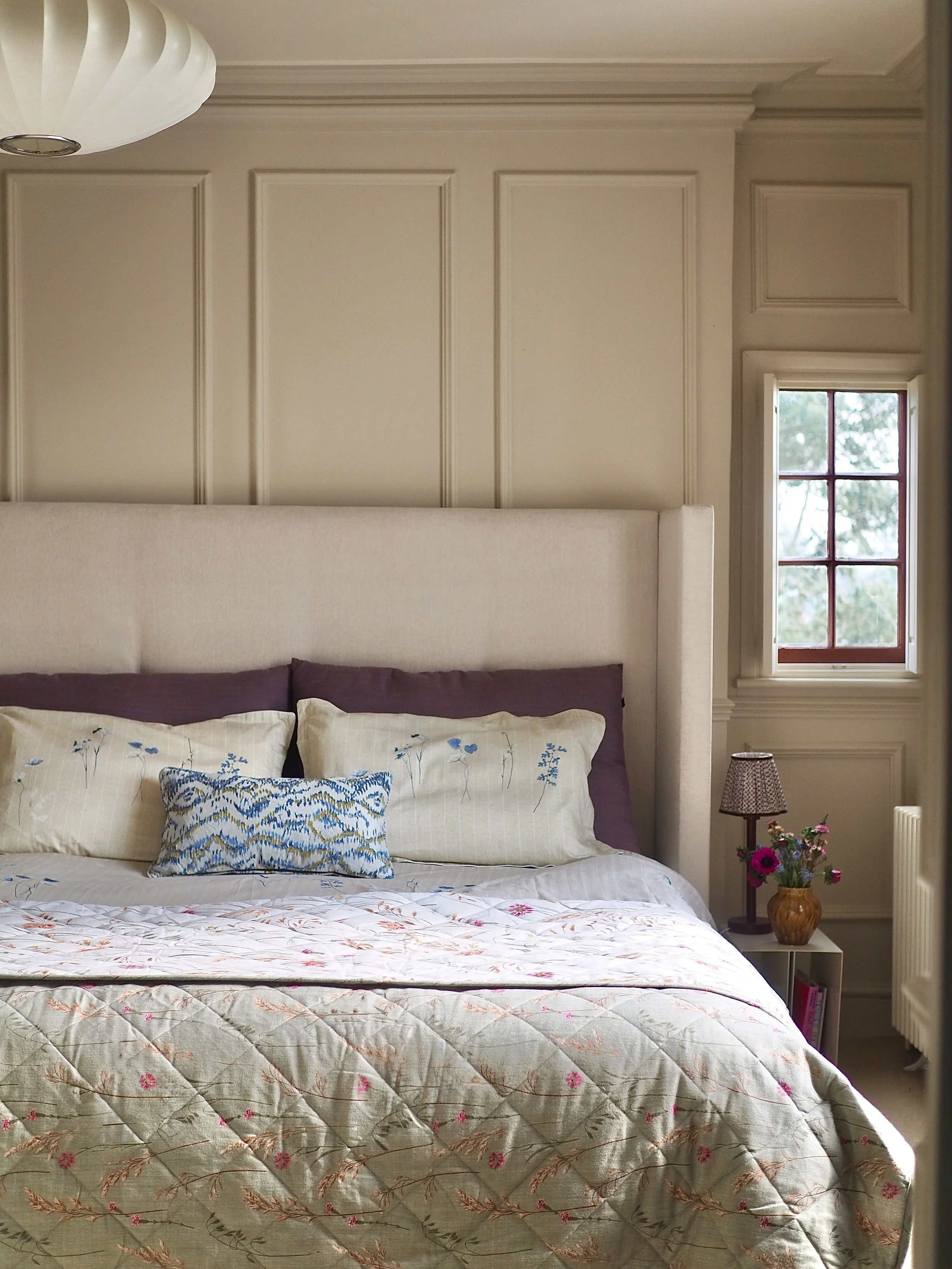
When looking in to pendant lighting for your home, Arteriors pendant lights bring shape, scale and presence into a room, as well as being practical and defining a space with very little effort.
Shape Has a Big Influence
The form of a pendant light can set the tone for the room. A round fixture can soften a space filled with straight lines, while a more angular piece can bring structure and edge. You’ll also want to think about the material - a fabric design feels softer and works better in bedrooms, while metal pendant lights have a stronger look and work better in living spaces. Glass pendants can feel light and open so work well if you are combining a number of pendants in a row (such as in a kitchen), while natural materials such as jute can feel relaxed and casual.
Scale Helps the Room Feel Intentional
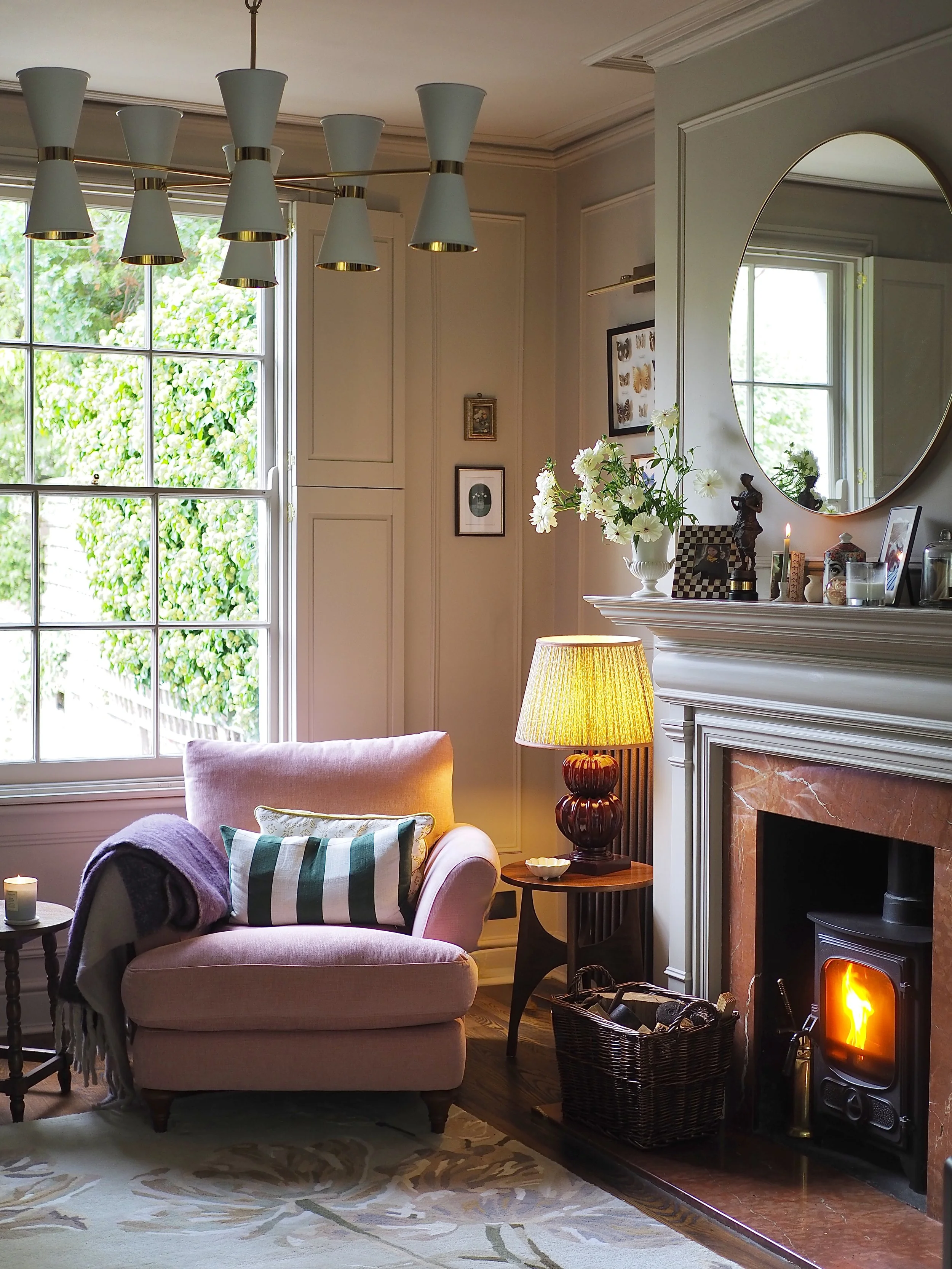
Scale is one of the most important parts of choosing a pendant light; a fixture that is too small may disappear into the room, while a fixture that is too large will feel dominating. Like choosing a rug, it’s all about size and proportion in order for it to work within a space.
In a room with high ceilings, a larger pendant can help fill vertical space and create a stronger sense of connection between the ceiling and the furnishings below. But, before you invest in large pendant light, consider its size with the other furnishings in the room. Map out and mark the widest diameter with tap on the ceiling to get a feel of how it will look once installed. While smaller pendant lights might feel like a safer option, it’s also important to be aware of the diameter so that it doesn’t feel lost in a room.
Placement Changes the Effect
Where a pendant hangs affects how people experience the room; a centred pendant above a dining table can create order and intimacy, while a row of pendants over an island can add rhythm and guide the eye across the space. Alternatively, a single pendant in a reading corner can make that spot feel distinct and inviting.
Placement also affects balance - if the pendant aligns well with the furniture and architecture, the room tends to feel calm and well planned. However, if it feels off centre or disconnected from the layout, the focal point may lose its strength.
Pendant Lighting Works Best With Support
Even a strong focal point needs support from the rest of the room, and pendant lights are most effective when they are part of a layered design. Consider adding complementary wall lights and lamps to create balance around the main fixture, with furniture that works with rather than against the fitting.
A Simple Way to Give a Room Identity
Pendant lighting has a unique ability to shape the identity of a room, becoming the main focal point and carrying the whole design. If you have a room that feels a little flat, then statement lighting can be an excellent way to lift the space.

Check out these five brands I loved at Decorex…