
DIY Flower Arrangements: Using Spring Flowers to Elevate Your Home
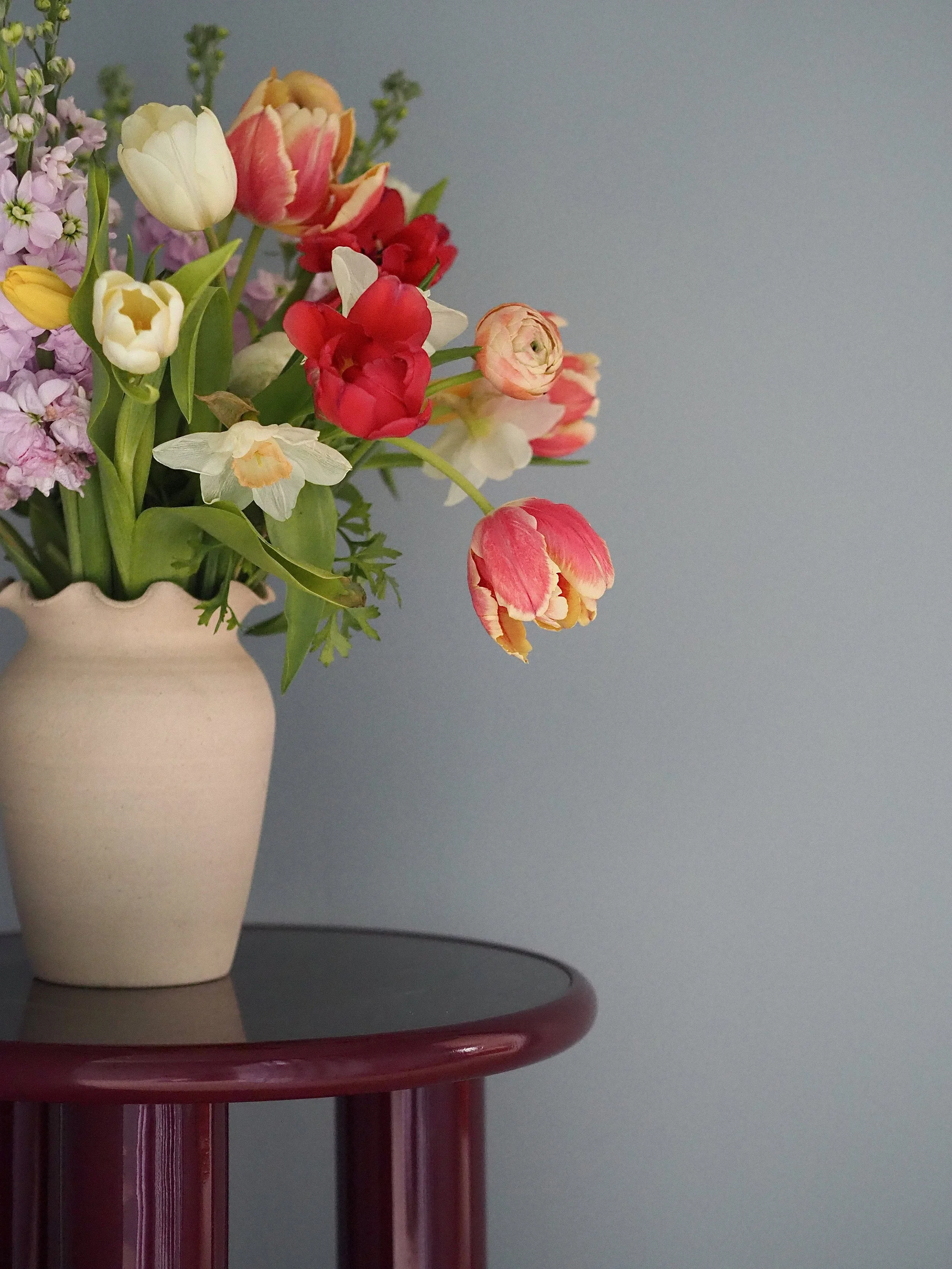
There's something genuinely lovely about filling your home with flowers straight from the garden or a trip to the market. I would say that spring is probably the best time for it, because everything bursting into life and you've got access to some of the most beautiful blooms of the year! A simple bunch on the kitchen table, a generous arrangement in the hallway - even a small jam jar of crocuses on the windowsill makes a difference!
My following guide is here to help you put together your own arrangements at home (with no floristry experience required!) From choosing the right flowers, getting them ready, then putting them all together in a way that looks intentional.
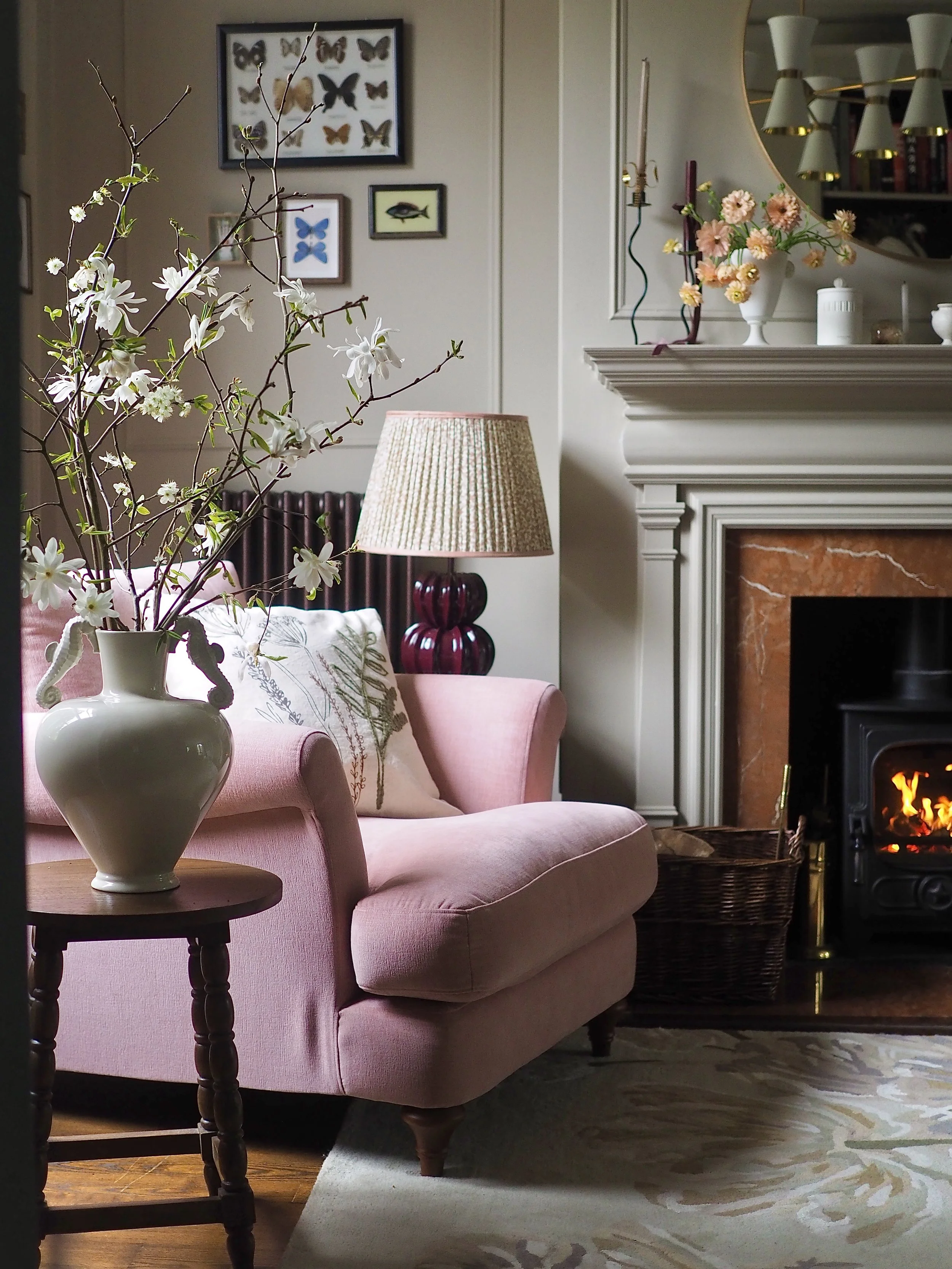
Choosing the Right Spring Flowers for Your Arrangement
The first thing to think about is what's actually available and in season. Spring flowers tend to be bold and cheerful or soft and delicate, with the most interesting arrangements usually mixing both. You're aiming for a combination that works in terms of colour and shape without everything competing for attention.
Here are some lovely options worth looking out for:
Tulips: Smooth, elegant, and available in almost every colour imaginable, they're reliable and always look good. You may like them standing to attention, or, like me, prefer them when they droop slightly with elegant curved stems.
Daffodils: Impossible to feel gloomy around, that sharp yellow lifts any arrangement and reminds you that winter is genuinely over.
Hyacinths: Fragrant enough to scent an entire room and available in soft pinks, blues and whites, they're definitely one of the best spring floral options.
Crocuses: Small and punchy and available in purple, yellow, and white, they add a lovely bit of early-season energy to a display. Try planting them in a vintage mantel planter over the fireplace for ultimate impact.
Primroses: Gentle and unassuming, they soften an arrangement rather than dominating it.
Snowdrops: Delicate, elegant, and fleeting - if you can get hold of them whilst they're still going, they add something quite special.
Three to five types of these spring flowers is plenty for a well-balanced arrangement. Balance them with foliage such as pastiche, eucalyptus, ferns, or ivy to give the arrangement a bit of depth and stop it looking too flat.
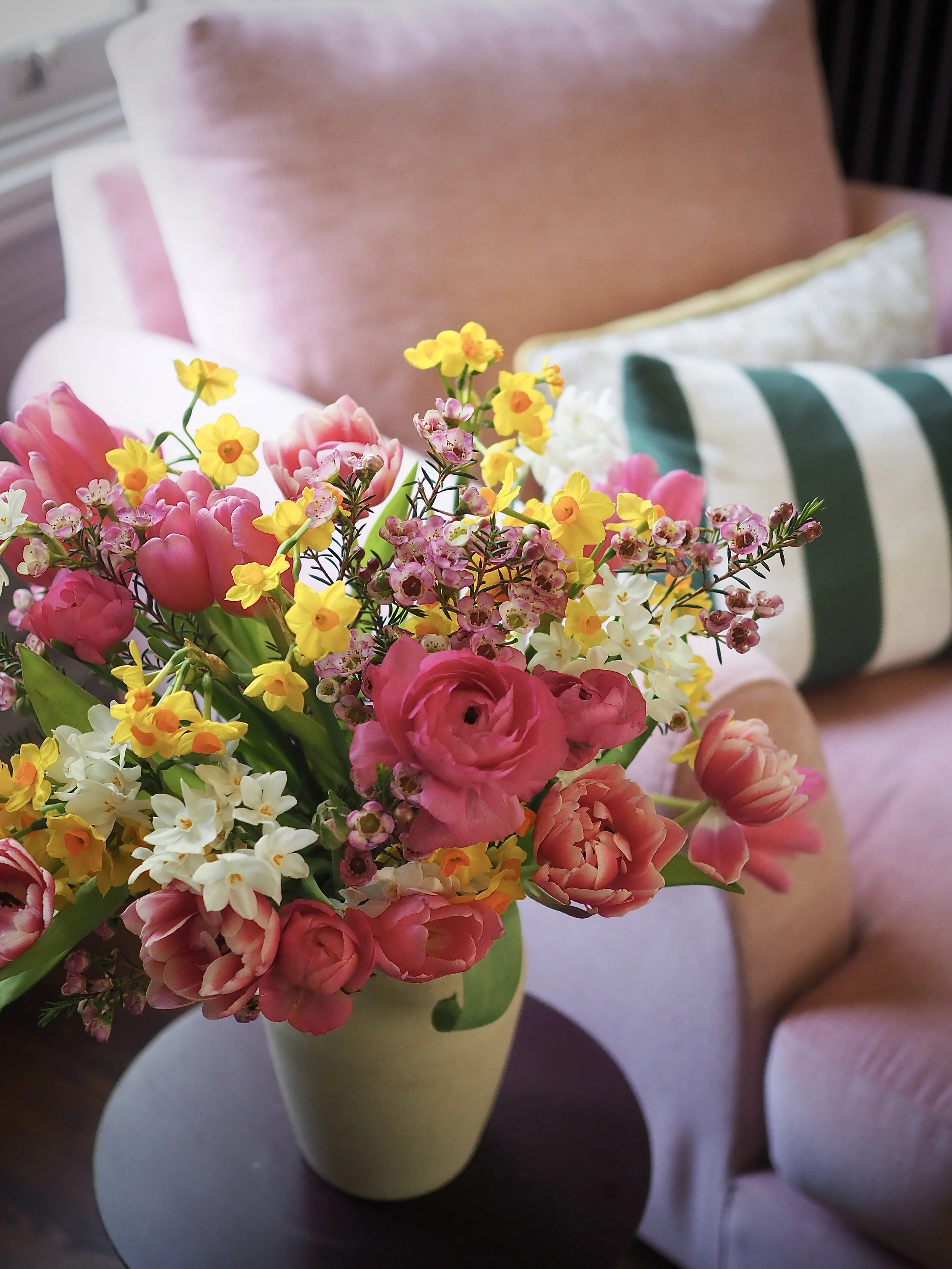
Preparing Your Flowers for Arranging
A little bit of prep goes a long way and it genuinely does make a difference to how long your flowers last.
Trim the stems: Cut them at a 45-degree angle with a sharp pair of scissors or pruning shears. Doing this underwater is even better, as it stops air bubbles blocking the stems and preventing them from drinking properly.
Remove the lower leaves: Any foliage that'll end up below the waterline needs to come off, so strip your stem below water level. Leaves sitting in water rot quickly and turn the whole vase murky with bacteria.
Give them a good drink first: Once trimmed, pop your flowers into a vase of lukewarm water and leave them for a few hours before you start arranging. This will rehydrate them and will stop any slight wilting.
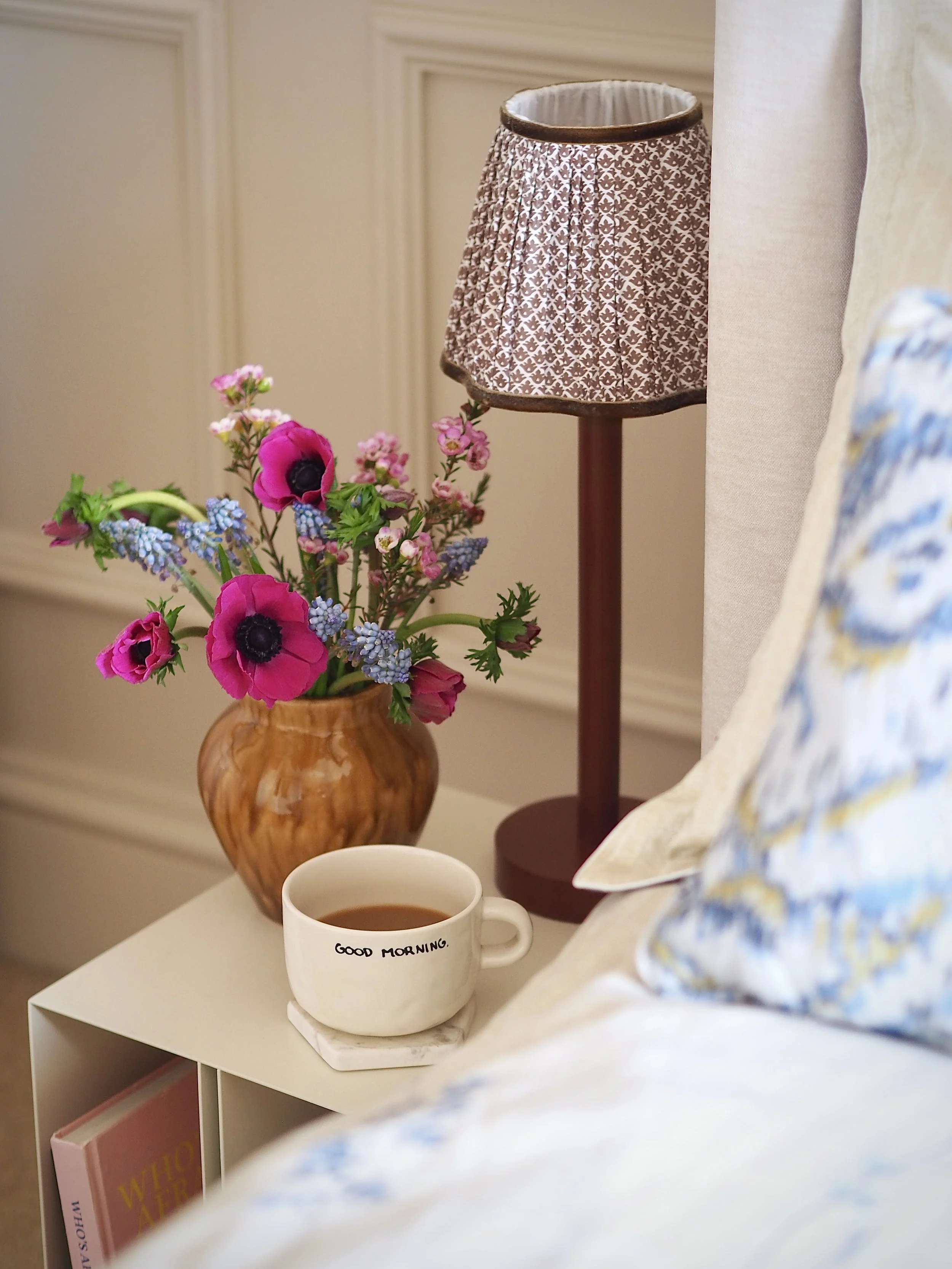
Arranging Your Spring Flowers
Try not to overthink it your arrangements - those that look a little loose and natural are often far more appealing than anything too rigid and perfect.
Start with greenery: Build your base first. Tuck the foliage around the edges of the vase and let some of it spill over the sides which gives structure to everything that comes after.
Put your focal flowers in next: These are your statement blooms - the tulips, daffodils and hyacinths. Position them at the centre and vary the heights a little.
Layer in the secondary flowers: Smaller, more delicate flowers like primroses and crocuses go in around the focal blooms, filling things out and stop the arrangement looking sparse without overwhelming it.
Fill the gaps with accents: Snowdrops, small sprigs of lavender, or whatever delicate bits you have left work well here to add texture and give the whole thing a more natural, relaxed feel.
Step back and have a look: Rotate the vase and check it from different angles. Shuffle things around until it feels balanced.
Finishing touches: A bit of twine or ribbon tied around a hand-tied bunch or around a vase always looks nice for spring florals. If you are having trouble with the stems remaining upright, choose a smaller necked vase or use a flower frog.
Caring for Your Spring Flower Arrangement
You've put the effort in, so it's worth looking after them properly.
Change the water every few days: Every two to three days is ideal. Fresh water keeps bacteria at bay and keeps the flowers hydrated far more effectively.
Re-trim the stems when you change the water: A fresh diagonal cut each time means the stems can keep drinking - it only takes a moment and makes a real difference to how long everything lasts.
Keep them somewhere cool: This means away from direct sunlight and radiators. Heat makes flowers wilt surprisingly quickly, so a cool spot such as a hallway or a shaded corner will see them last much longer.
Pull out anything that's going over: Once a flower starts to wilt, take it out rather than leaving it in as it can affect the flowers around it and brings the whole arrangement down a bit.
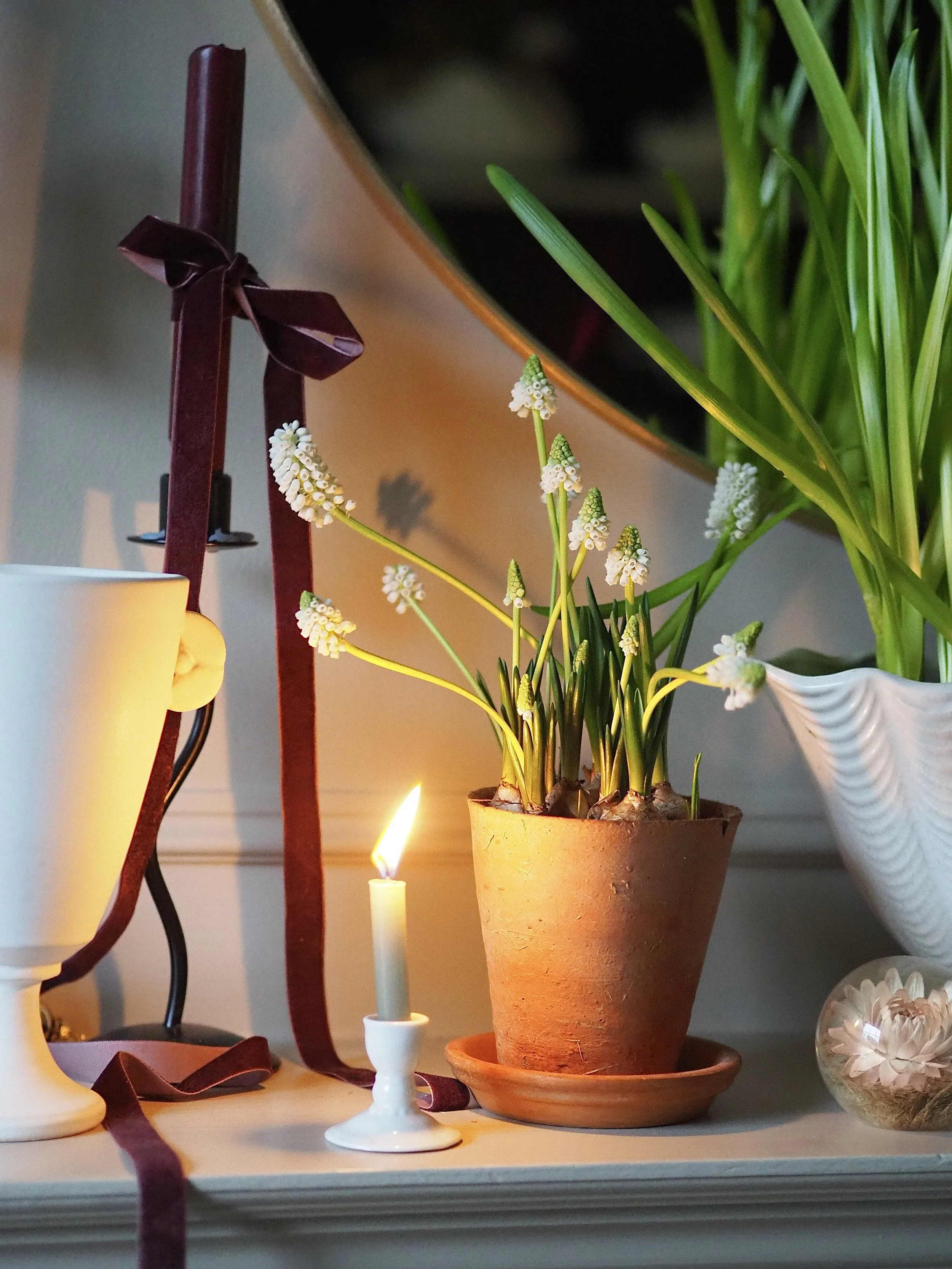
Done right, a homemade arrangement using spring flowers can last a good week or more and it costs a fraction of what you'd pay a florist. There's also something quietly satisfying about making something yourself that genuinely looks lovely in your home. From fat bunches of daffodils to a delicate handful of hyacinths, spring flowers are one of the easiest and most cheerful ways to bring the season indoors.
5 top tips on creating a budget-friendly spring table…