
How to Estimate Tile Needs for Multi-Room or Whole-House Projects
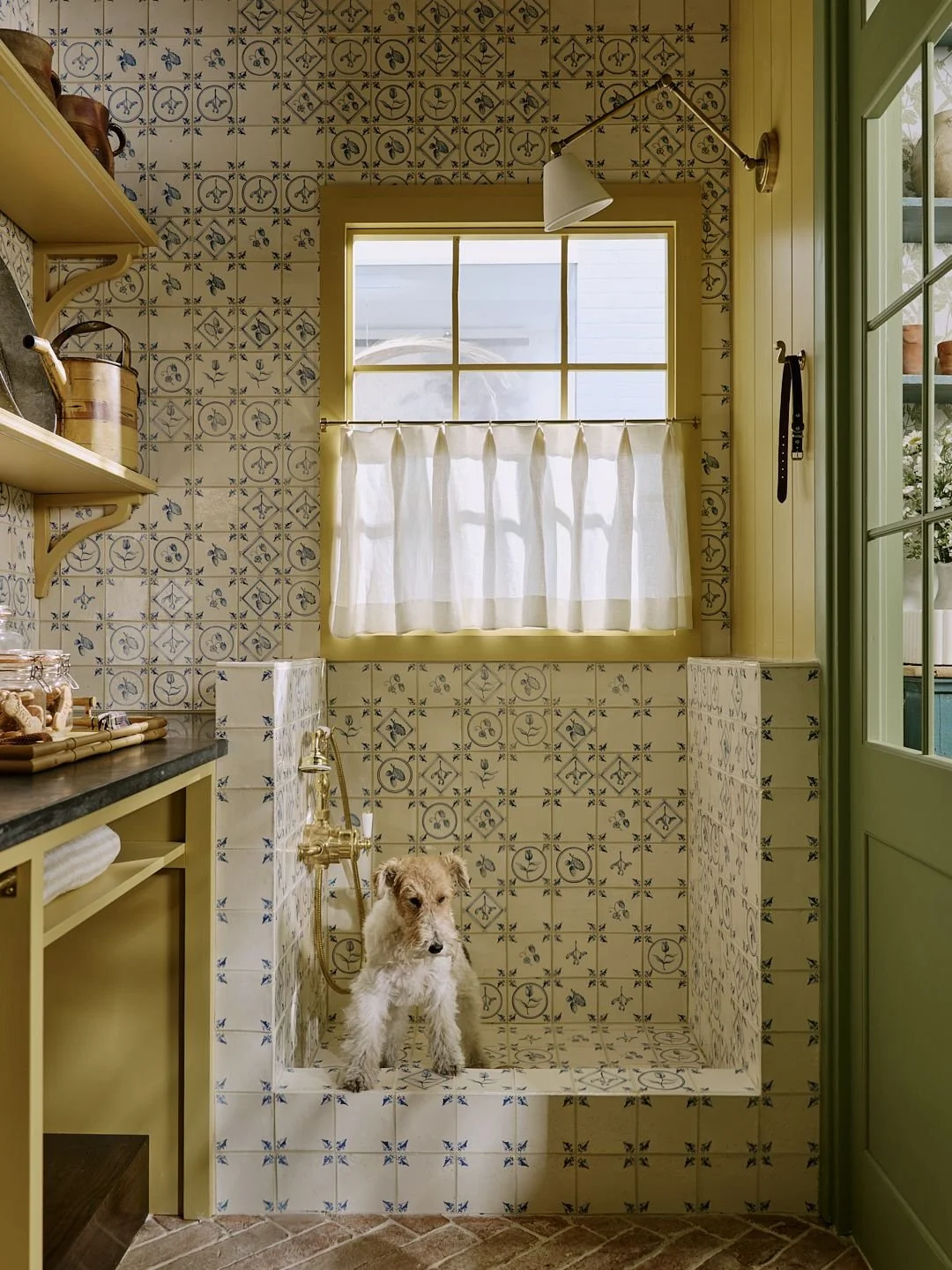
Delft tiles by Marlborough Tiles. Image Credit: Chris Horwood.
Featured Partner Post
Tiling multiple rooms within your home, such as installing the same tiled flooring throughout, creates both a durable surface areas as well as aesthetically pleasing space, but estimating tile needs for a larger project takes more strategy than a smaller, single-room job. With careful planning, you can buy the right amount, keep consistency across rooms, and avoid delays or budget issues. Within this post, find out how to estimate your tile orders for bigger home tiling projects.
Create a Comprehensive Floor Plan and Room-by-Room Inventory
The first and most vital step is to create a complete floor plan of your entire house. This doesn’t need to be an architectural drawing, but you should create a detailed sketch with the dimensions of each of the rooms and include and corridors, was well as any cupboards or exterior areas where the tiling may flow.
Methodically measure the length and width of each room, keeping a running total of your measurements in feet. Where areas are imperfect rectangles, break them down into small, workable rectangular subsections. Be sure to account for specialty areas that also need to be included, such as a kitchen backsplash, where a small format tile is often used and may require more precise measurements and additional materials.
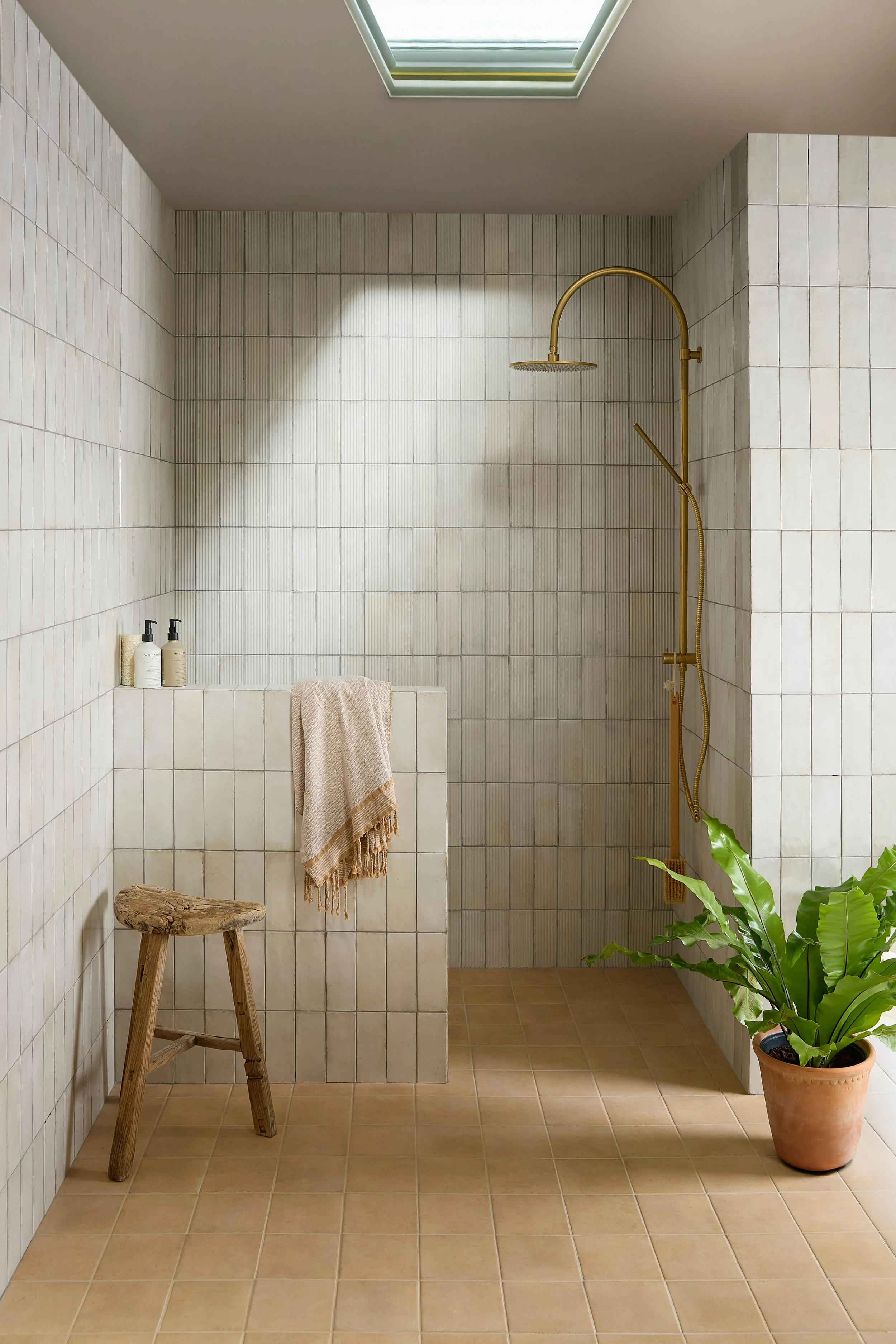
Image credit: Ca' Pietra
After your measurements are gathered, calculate the square feet for each room by multiplying its width. For irregular rooms, add the square feet of all the smaller areas inside the room. Next, create a document detailing each room’s square footage. You can track the material requirements separately with this room-by-room inventory, which is essential if you intend to use different tiles in different rooms or complete the project in stages.
Calculate Total Tile Quantity With a Strategic Waste Factor
Once you have your total combined square footage from all rooms, you are ready to figure how many tiles you actually need. Merely calculating your overall square footage and multiplying it by the tiles per square foot is inadequate for a sizable project. You need to add a waste factor to allow for cuts, breakage and future repairs. For a whole house project that includes several intricate rooms, 15% to 20% is a good round-up factor.
A reliable online floor tile calculator can make those calculations for you. Simply enter your total square footage, select your waste percentage and get an instant estimate that is accurate and you can rely on. Purchasing all your tiles for a substantial project at once is essential, as it guarantees color and shade uniformity throughout each room.
Plan for Transitions, Patterns, and Realistic Budgeting
An entire house-project requires careful consideration of how the tile will flow from room to room. You will have to decide on the direction of the tile patterns, and where to put transitions in areas where the tile will meet other flooring types or at room thresholds. If you’re working with a pattern like herringbone or diagonal, remember that these have a much higher waste factor, typically 20% or higher due to more cuts.
Your costs will not only include the tiles themselves, but also all of the related material including thinset, grout, and underlayment for the entire floor. For a project this size, it is also wise to factor in the expense of renting professional-grade equipment, like a large-format tile wet saw. Having the ability to generate a correct materials list puts you in a very good position to acquire correct quotes from contractors or to adequately plan for a do-it-yourself installation.
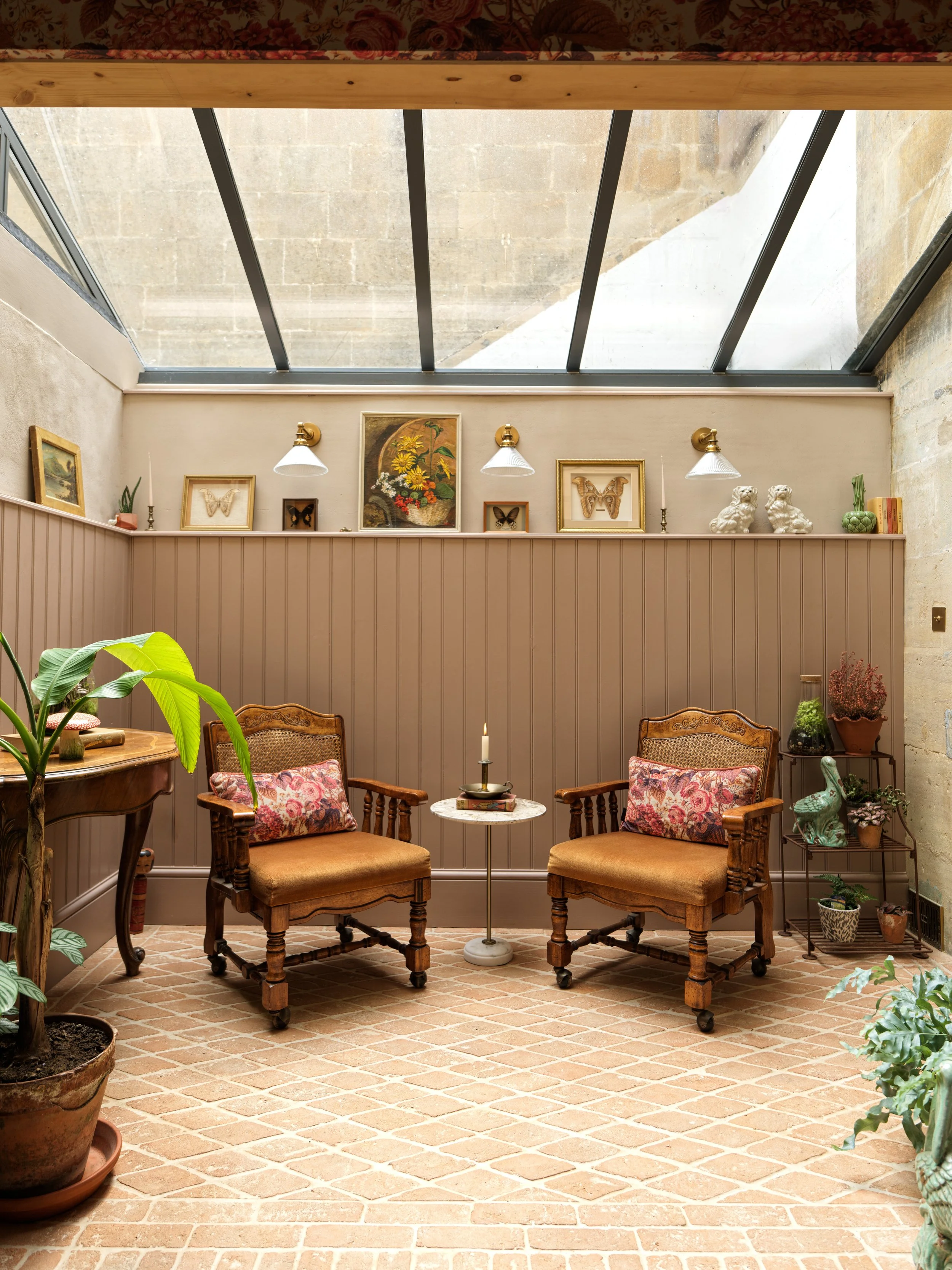
Image credit: Ca' Pietra
Endnote
A multi-room tile project is a significant undertaking, but success starts with precise estimation that will save you both time and money. Measure each space carefully and calculate tile needs with a waste buffer while also and plan for transitions and patterns.
See the 26 brand new paint colours by Little Greene here…