
A Buyer's Guide to Louvre Windows and Adjustable Ventilation
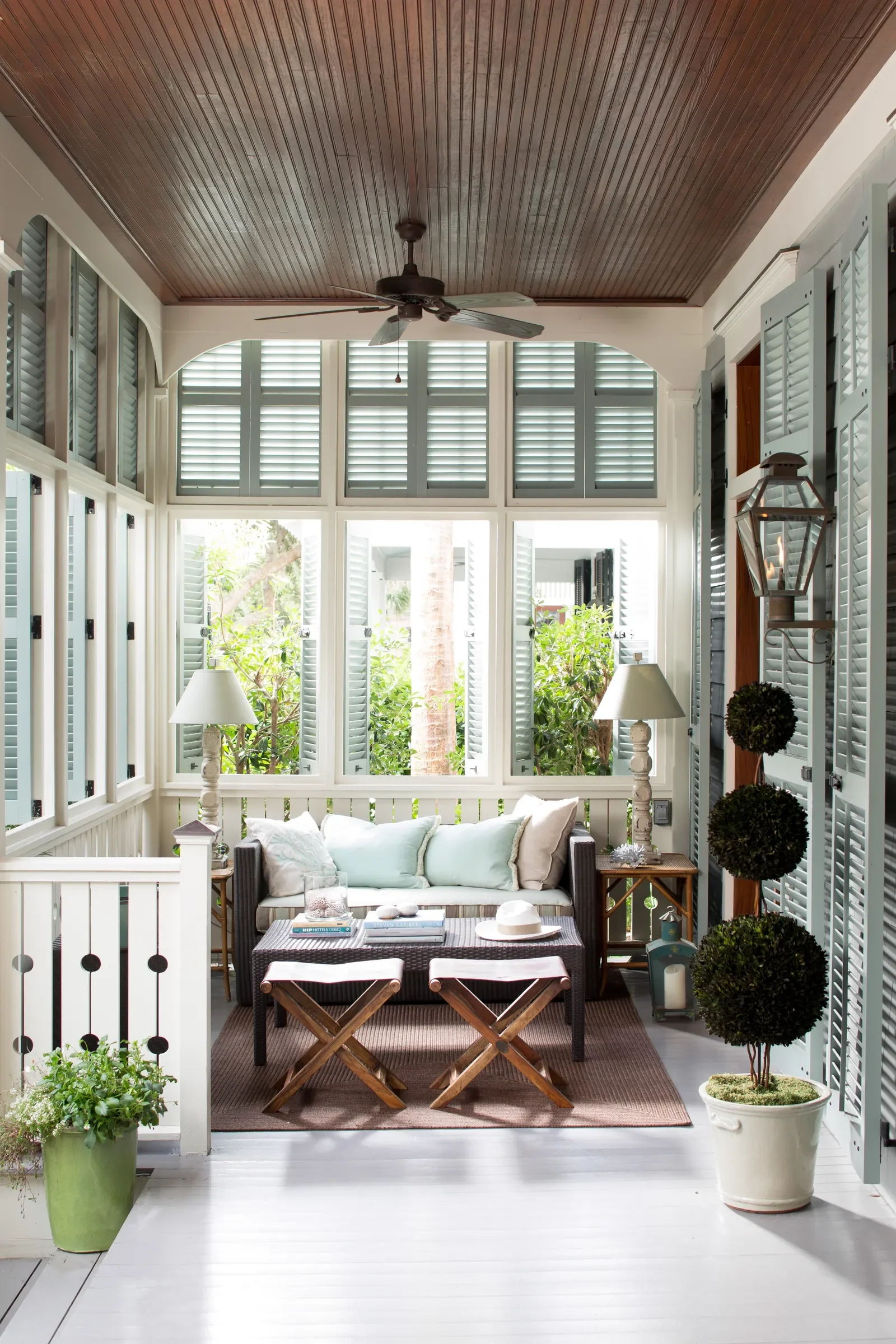
Image credit: Benjamin Moore
Featured Partner Post
Fresh air changes how a room feels. A home that breathes well stays cooler in summer, drier through winter, and more pleasant to live in all year round. Yet, ventilation is often the last thing we plan for, long after the paint colours, flooring, and furniture have been chosen.
Louvre windows and adjustable ventilation systems offer a simple fix: these angled blades let us control airflow with a small movement of the hand, inviting a breeze in on warm afternoons and sealing the room tight when the weather turns. For anyone weighing up the options, here is a clear guide to how louvres work, what to look for, and where they suit a home best.
What Louvres Actually Do
A louvre is a set of horizontal slats fixed within a frame. Tilt those slats open and air flows through the gaps; close them, and the surface becomes a near-solid barrier against wind, rain, and heat. Because each blade pivots, we decide exactly how much air comes in, rather than being stuck with a window that is either fully open or shut.
That adjustability is the whole appeal; on a still, muggy evening, a wide-open louvre pulls a gentle draught across the room. During a storm, angling the slats downward keeps rain out while still letting a trickle of fresh air circulate. Few other window styles give us that level of fine control.
The Benefits of Natural Airflow
Good ventilation does more than keep us comfortable - moving air carries away the moisture that leads to condensation, damp, and mould, which protects both our health and the fabric of the building. Letting a breeze through also clears cooking smells, stuffiness, and the stale feeling that settles into closed-up rooms.
There is also a cost saving: when a home cools itself through airflow, we lean far less on fans and air conditioning. Running those appliances less often trims the energy bill and lowers the carbon footprint of the household, which matters more each year. This look at outdoor-living ideas shows how the same thinking extends well beyond the walls of the house.
Manual or Automated
Louvres come in two broad types: manual versions use a handle or winder, so we open and close them ourselves (these suit bedrooms, bathrooms, and smaller spaces where a quick adjustment by hand is no trouble at all). While automated systems move on a motor, often linked to a sensor. Some close on their own the moment rain is detected, while others respond to a set temperature or a timer. Larger openings, high windows that are hard to reach, and whole-home setups tend to favour this approach. Commercial buildings have relied on it for years, and much of that engineering has since filtered down into choices a homeowner can now consider.
What to Look For When Buying
Choosing the right system takes a little thought. The points below help narrow the field before committing:
Material. Aluminium resists rust and needs little upkeep, which makes it a dependable pick for areas exposed to weather. Timber brings warmth and a softer look but asks for more care over time.
Weather sealing. Rooms that face driving rain benefit from blades built to channel water away. Ask about stormproof designs and rain sensors if the opening sits on an exposed wall.
Insect and debris screens. A fine mesh keeps bugs, leaves, and dust outside while the slats stay open, so we gain the breeze without the nuisance.
Finish and colour. Powder-coated frames arrive in a wide spread of shades, letting the system blend into the exterior or stand out as a feature.
Operation. Decide early whether a hand winder or a motorised, sensor-driven unit fits the room and the budget.
Working through that list early saves money and regret later, since the right specification depends entirely on where the louvre will live.
Where Louvres Suit a Home
Some spots gain more from louvres than others. Kitchens and bathrooms, where steam builds fast, stay fresher with a vent that clears moisture on demand. Stairwells and hallways, which often trap warm air near the ceiling, benefit from a high louvre that lets heat escape.
Outdoor rooms, patios, and garden studios are another natural home for them. An adjustable screen turns an exposed veranda into a sheltered spot that still catches the breeze, which extends how long we can enjoy the space across the seasons. If you are planning that kind of project, these ideas for improving a home exterior make a helpful starting point.
For bigger builds or awkward openings, it pays to talk to a specialist. The team behind operable louvres by Airocle, an Australian natural-ventilation manufacturer, design systems that balance airflow, weather protection, and quiet operation, and that know-how translates well to a considered home project.
Making the Most of Your System
Once a louvre is in place, a few habits help it earn its keep. Open the slats early in the morning and late in the evening, when the outside air runs cooler, then close them through the hottest part of the day to trap that coolness inside. Setting louvres on opposite walls creates a cross-breeze, pushing warm air out one side as fresh air flows in the other.
Keep the blades clean so they move freely and seal properly, and check any motors or rubber seals once a year. A little upkeep keeps the whole system quiet, smooth, and effective for far longer.
A Breath of Fresh Air
Louvre windows reward the homeowner who values comfort, lower running costs, and a space that feels alive rather than shut in. With the right material, sensible placement, and a clear idea of how each room will be used, adjustable ventilation becomes one of the quietest yet most satisfying upgrades a home can have. Fresh air, after all, is something we feel every single day.

Check out these five brands I loved at Decorex…