What Makes Log Cabins Ideal for Garden Offices & Holidays
Featured Partner Post
UK homeowners looking for extra space for home working or holiday letting are increasingly turning to log cabins. The growing trend of remote working and the continued penchant for staycations since 2024 have significantly driven demand for these structures.
Unlike conventional extensions, log cabins can be set up quickly, require less investment and serve a dual purpose. As a result, these cabins represent a smart investment for enhancing property value and generating income.
The Dual-ROI Framework evaluates log cabins across two simultaneous value streams: immediate lifestyle ROI (productivity gains, work-life separation, property enjoyment) and financial ROI (property value increase, rental income potential, tax advantages). This framework highlights how a well-appointed log cabin can deliver substantial annual rental income while adding significant value to a property, often providing a quicker payback than conventional construction.
What Defines a Modern Log Cabin Structure?
The log cabins you see today are very unlike the older rustic versions - they are meant for year-round use and meet modern day codes. These structures are supported by stronger materials and enhanced insulation to maintain comfort.
A modern garden office specification typically includes multi-layer insulation in walls, floors and roofs, double-glazed windows, and airtight construction. This enables the garden office to perform effectively in the UK climate.
Construction Materials: High-quality, sustainably sourced timber, often engineered for stability and durability.
Insulation Standards: Walls, floors, and roofs typically feature insulation materials comparable to modern homes for thermal efficiency.
Windows and Doors: Double or triple glazing is standard to minimize heat loss and enhance soundproofing.
Airtightness: Advanced sealing techniques reduce drafts and improve overall energy performance.
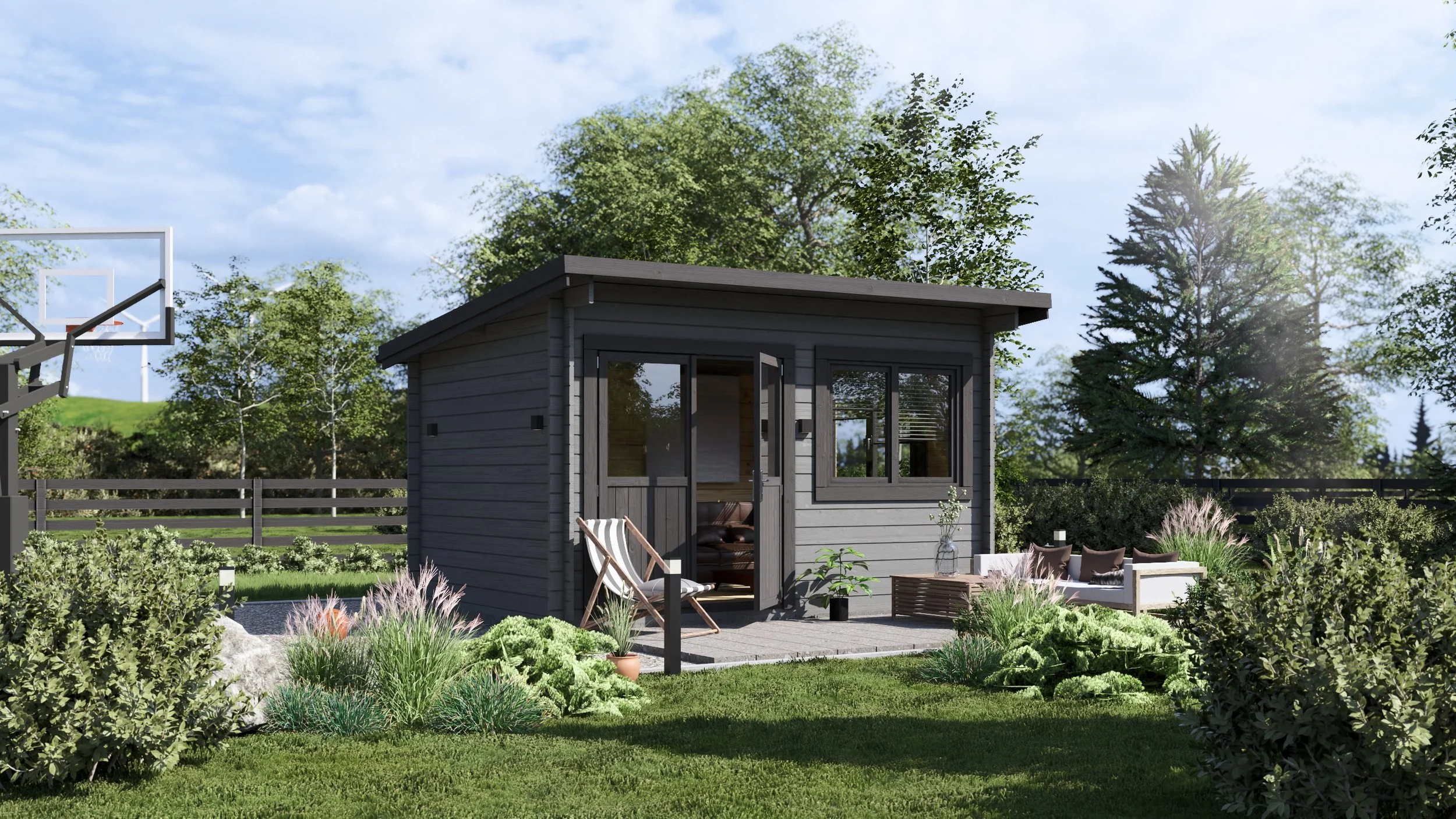
In the UK, log cabins can often be built under Permitted Development (PD) rights, avoiding the need for full planning permission if specific criteria are met, such as height and proximity to boundaries. However, it is always advisable to consult local planning authorities, especially for larger structures or those intended for residential use.
Why Log Cabins Excel as Garden Office Spaces
Log cabins are ideal for dedicated garden offices, improving productivity and supporting a more balanced lifestyle, and their separation from the main home creates a psychological boundary that supports effective remote working.
Installation times are significantly faster than traditional extensions, often completed within days (most log cabin kits are put up in just 2–5 days for assembly). Therefore, disruption is significantly reduced.
Work-Life Separation: A physical divide from domestic life enhances focus and reduces distractions, a key factor for the 44% of UK adults working remotely.
Rapid Installation: While full log home packages can take up to a year, garden office cabins often see on-site construction completed in 2–4 months, with assembly in days.
Cost Efficiency: A log cabin garden office typically costs £6,000–£15,000 for a 20m² unit, substantially less than a brick extension that could range from £36,000–£48,000 for the same area.
Professional Environment: Modern cabins incorporate insulation, heating, and integrated connectivity options to meet professional workspace standards, supporting the 1.8 remote days per week averaged by UK workers. For those working remotely from a garden office, a VPN can also provide an added layer of privacy when accessing work accounts and sensitive information over an internet connection outside the main home network.
The swift deployment and lower cost make log cabins a highly attractive alternative to traditional extensions, especially when considering the growing preference for flexible working arrangements.
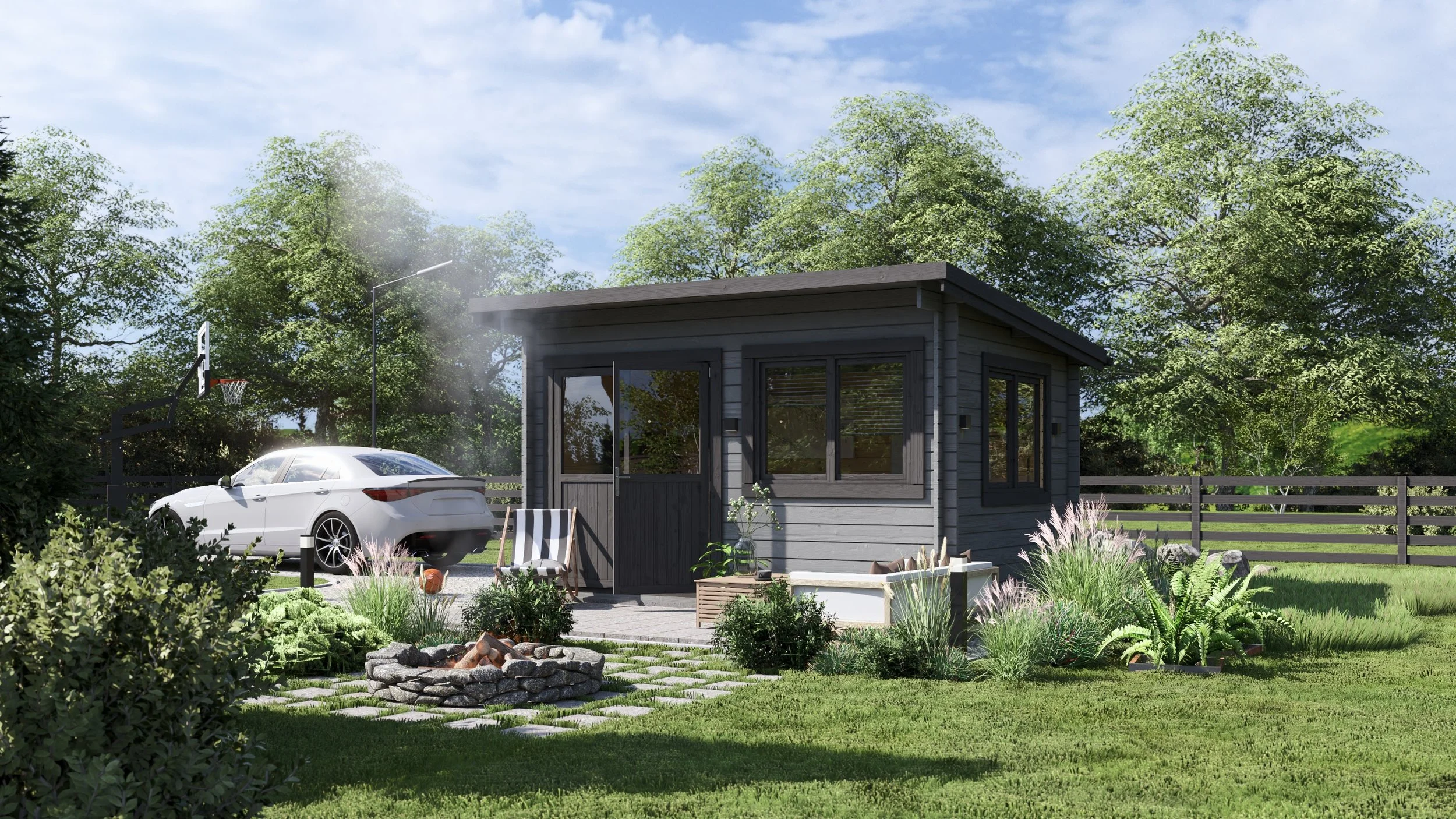
The Holiday Home and Rental Investment Case
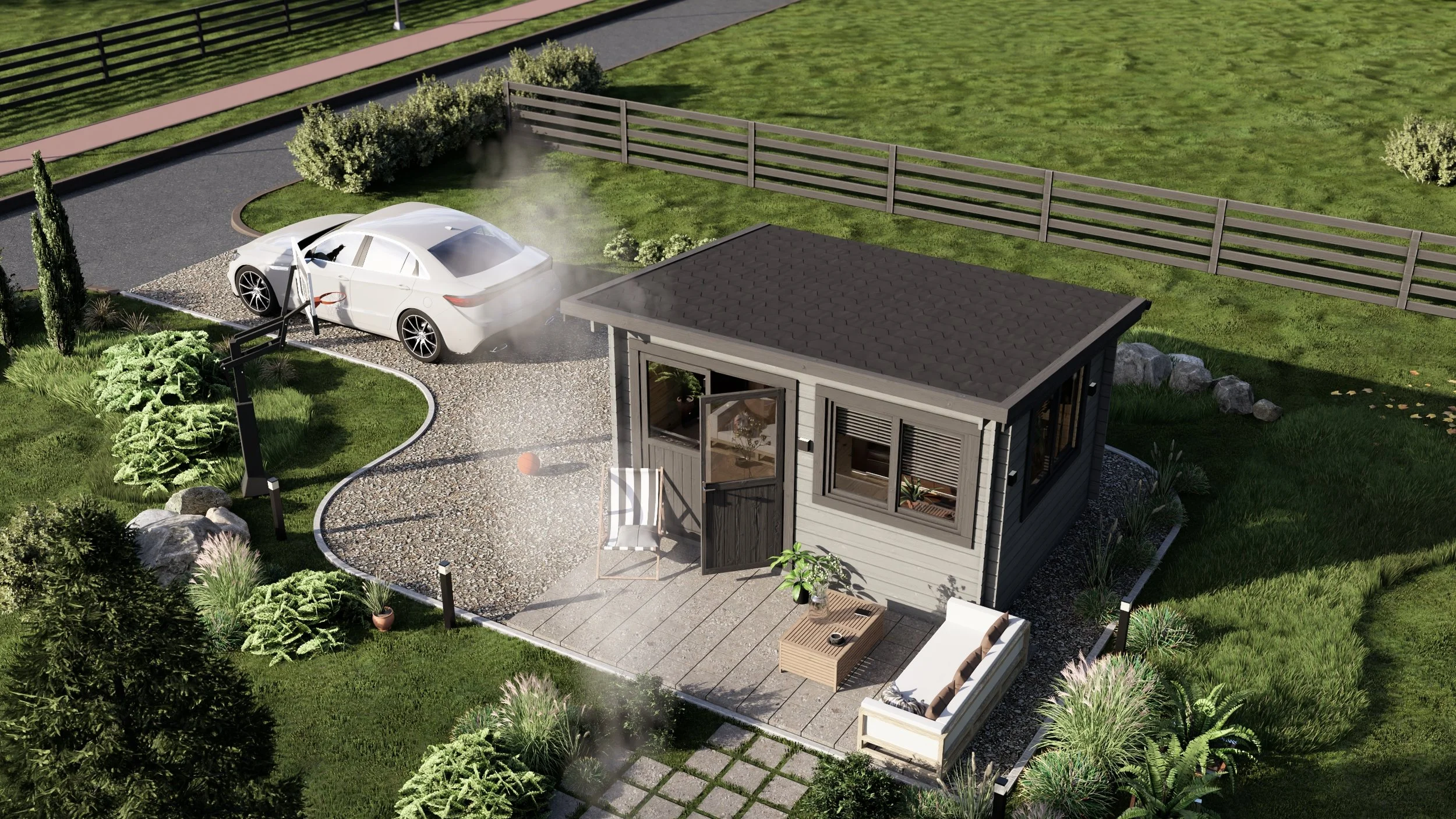
Log cabins in the UK can be let out as holiday rentals or used for glamping, as there is increasing demand for nature-connected properties in scenic rural and coastal areas. The glamping market was projected to be worth £389.5 million in 2025.
Airbnb Demand: The UK's short-term rental market shows an average occupancy rate of approximately 52% for listings, with top performers achieving 70% or more.
Revenue Potential: Average monthly gross revenue per UK listing is around £2,600, with annual median revenue in some markets reaching over £21,000.
Low Maintenance: Compared to traditional holiday properties, log cabins often require less intensive upkeep, making them attractive for absentee owners.
Personal Flexibility: Owners can utilize the cabin for personal holidays during off-peak seasons, blending investment with lifestyle benefits.
This dual-use capability allows homeowners to leverage their investment for both personal enjoyment and significant income generation, aligning perfectly with the Dual-ROI Framework by maximising both lifestyle and financial returns.
Durability, Maintenance, and Long-Term Value
Quality log cabins are durable constructions that can last for decades when well-maintained, making them are a valuable addition to any property. However, without proper maintenance, a log cabin may have a significantly reduced lifespan. Annual maintenance is essential to achieve a longer life, primarily involving protection of the timber from moisture, UV damage, and pests.
Expected Lifespan: With regular maintenance, a good quality log cabin can last over 25 – 50 years; usually longer than buildings of the same size which have been conventionally built.
Annual Maintenance: Cleaning, re-staining/sealing whenever required, checking for cracks and pests, and reapplying protective treatments as needed. These costs average from £1,500 – £3,500 every year.
Weather Resistance: Modern log cabins are designed with advanced sealing and robust timber to effectively resist UK weather conditions, provided they are regularly treated.
Property Value Impact: A high-quality garden office can add 5–15% to a home's valuation, often surpassing the initial installation cost.
The long-term value of a log cabin is intrinsically linked to its maintenance, ensuring it remains an asset that enhances both lifestyle and property worth.
Environmental and Lifestyle Benefits
Unlike traditional construction, log cabins offer environmental benefits and support more sustainable living. Timber has a lower carbon footprint than many other building materials as it is a renewable resource.
Log cabins naturally promote biophilic design, fostering a stronger connection with nature, further enhanced by garden greenery.
Sustainable Sourcing: Quality log cabins use sustainably forested timber, which sequesters carbon and minimises environmental impact.
Biophilic Design: Working or relaxing in a timber structure connected to nature can reduce stress and improve cognitive function, aligning with a holistic lifestyle.
Energy Efficiency: Log homes are much more energy efficient than traditionally built homes due to the thermal mass properties of solid logs. In fact, these homes are typically 15–30% more energy efficient and therefore more affordable to heat.
Scalability: Homeowners may opt to start with a smaller garden office and then later expand by potentially adding more garden structures as needs evolve. This allows them to expand without undertaking major construction work.
These benefits underscore the appeal of log cabins not just as functional spaces, but as integral components of a greener, more balanced living and working environment.
Conclusion: Making the Log Cabin Decision
Log cabins are attractive to UK homeowners, offering cost-effective solutions, quick installation, and flexibility as both garden offices and rental properties. Overall, log cabins represent a worthwhile investment. The Dual-ROI Framework shows how these structures yield immediate living benefits and significant ROI, often with a faster payback than a traditional extension.
Homeowners considering a log cabin project must evaluate their budget, intended use, desired quality level, and local planning regulations. By carefully selecting a well-insulated, professionally installed cabin in a suitable location, they can gain a facility that adds property value, provides a dedicated home office, generates income, and contributes to a smaller environmental footprint.

[Sponsored Content] Luxury interior design inspiration as seen in modern super yacht decor…