
DIY Home Maintenance Tools That Are Actually Worth Buying
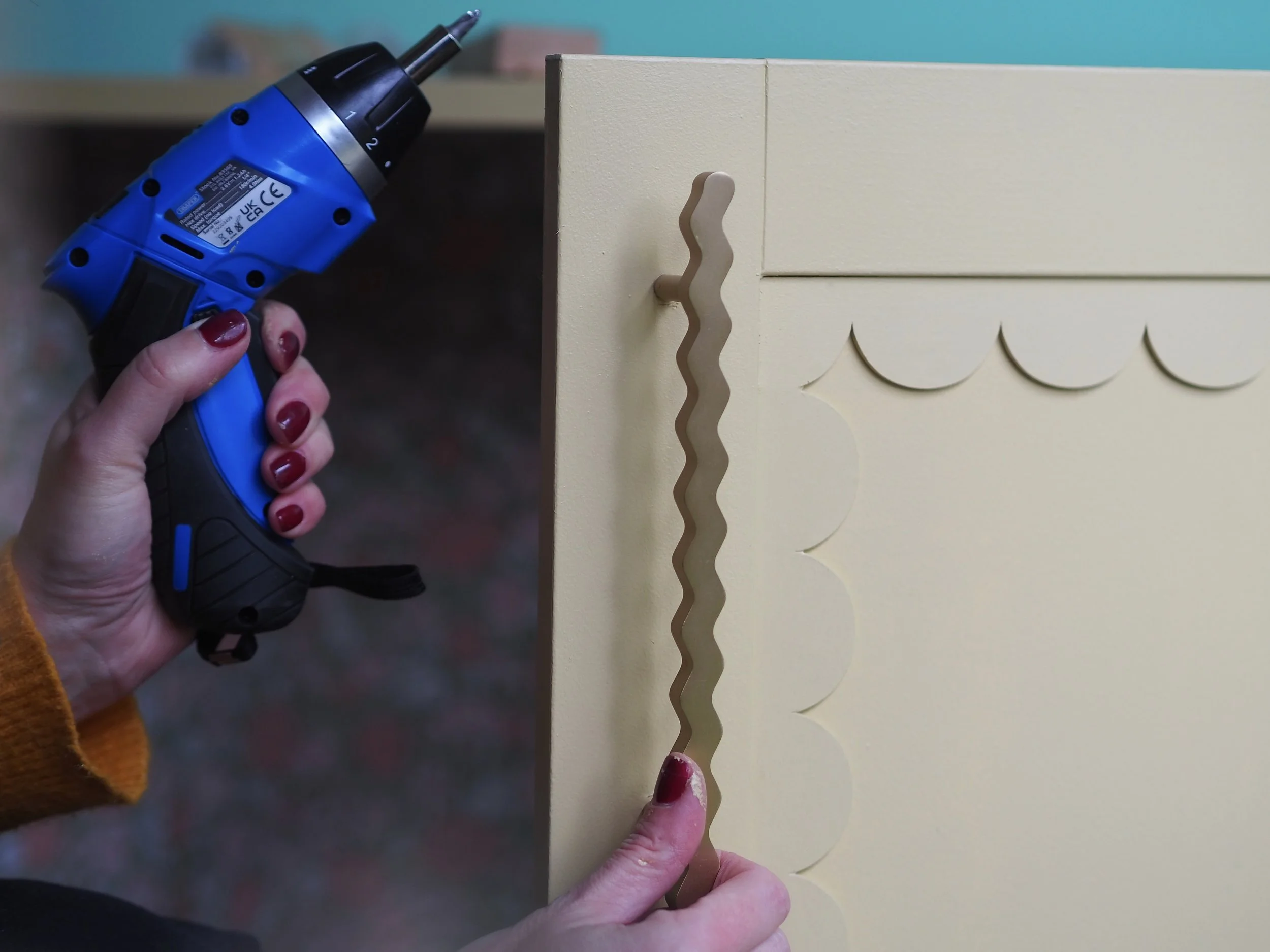
I know from firsthand experience that it is easy to get sucked into buying multiple DIY tools in order to carry out maintenance in the home, or to complete a little upcycling projects or IKEA hacks. However, the truth is that many of my purchases have actually ended up being stored away and rarely used, and it’s only a faithful few that I use on a regular basis.
In reality, a home toolkit doesn’t need to be a large collection - you just need a few reliable, multi-purpose tools to cover the regular jobs such as screwdriving, drilling, sawing, painting and nailing.
Here are six of my ‘go-to tools’ that I regularly revisit to carry out work around my home.
1. Electric Screwdriver
This is the tool most homeowners end up reaching for first: furniture assembly, loose cabinet hinges, wall mounts — all of it adds up quickly. A compact, rechargeable electric screwdriver is easy to grab for small projects. Invest in a mid-range one that’s light to hold but is efficient in completing the job with minimal effort.
2. Drill
Powerful enough to create a hole in brick, wood, metal and plastic, a drill is a necessary tool for hanging pictures, putting up mirrors, installing shelves and curtain rods, along with carrying out woodwork projects.
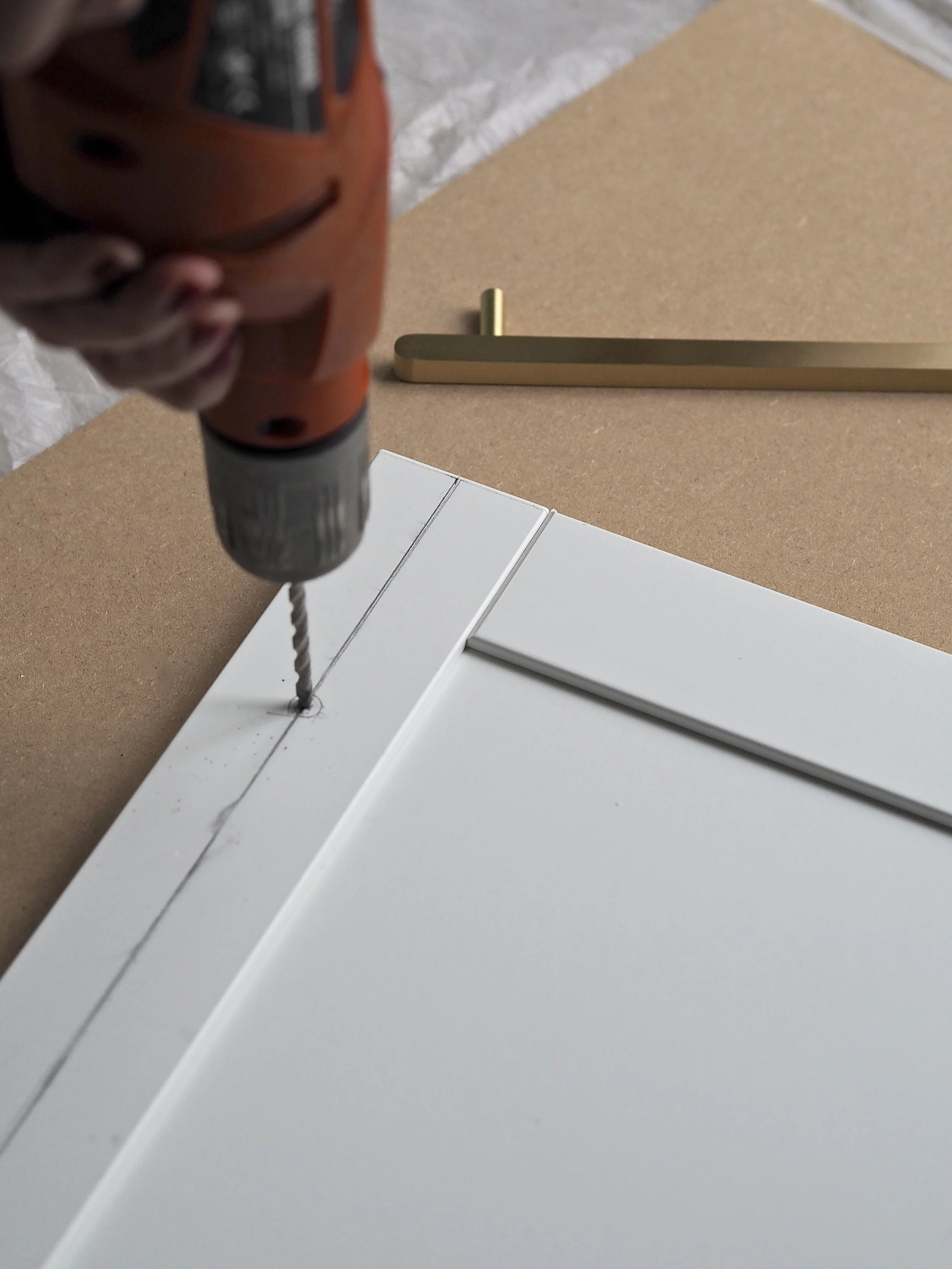
A standard drill is perfect for typical household tasks. Choose a drill that comes with multiple drill bits on the side (you’ll need different sizes and material-suitable options) so that you always have the right drill bit for the job.
3. Stud / cable Finder
Hanging something heavy without finding a stud is where a lot of wall damage can happen. When you hang TVs and wall-mounted cabinets, you need to make sure that they are secured into a surface that can take the weight. A stud/cable finder will also identify possible electrical cables and water pipes that you definitely don’t want to drill into, removing the guesswork and the risk!
4. Pipe Inspection Camera
A slow drain, a recurring clog or a strange smell doesn’t tell you much on its own. Most people’s first reaction is to call a CCTV drain inspection plumber just to figure out what’s going on inside the pipe, but a call out charge can lead to a big bill when often, issues are simpler than expected (grease buildup, minor blockages or debris that can be cleared without major work).
For households dealing with older plumbing or repeated drain issues, it’s a good idea to invest in a pipe inspection camera to have to hand so that you can see what’s happening inside drains and pipes, enabling you to locate the problem on your own terms. Having this kind of visibility can quickly pay for itself.
5. Laser Level
DIY tasks such as wallpapering, putting up shelves, hanging curtain rods and applying wall tiles are made much simpler by using a laser level.
A laser level projects a perfectly straight, horizontal or vertical beam line onto a surface, speeding up basic alignment work
6. Electric Mitre Saw
I use my electric mitre saw for so many DIY projects in my home. A mitre saw can cut a perfectly straight or angled line and is an essential tool for applying wall panelling, making custom frames, installing coving or skirting and adding decorative trim.

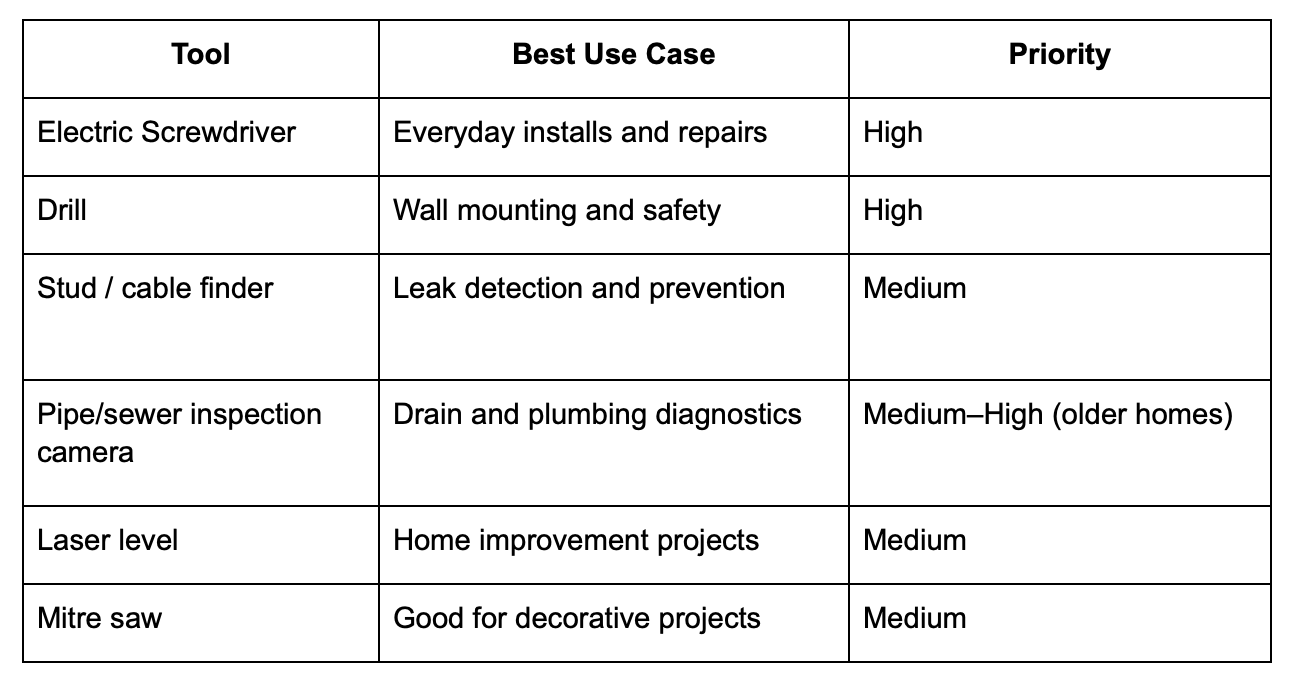
Which Tools Are Actually Worth Buying First?
Not every home needs everything at once - the value depends on how often the problem shows up in your space.
What’s Usually Not Worth Buying
In my opinion, a lot of DIY tools can look impressive, but don’t see any real practical use. Large specialty saws, oversized kits or highly specific tools often make sense only for one-off projects.
To conclude, the tools that stay valuable over time are the ones that quietly reduce friction in everyday home maintenance, not the ‘all bells and whistles’ kits where you often don’t end up using half the parts.

The six key DIY tools every home should own…