
Can a Corner Sofa Work in a Small Living Room? 5 Practical Layout Tips
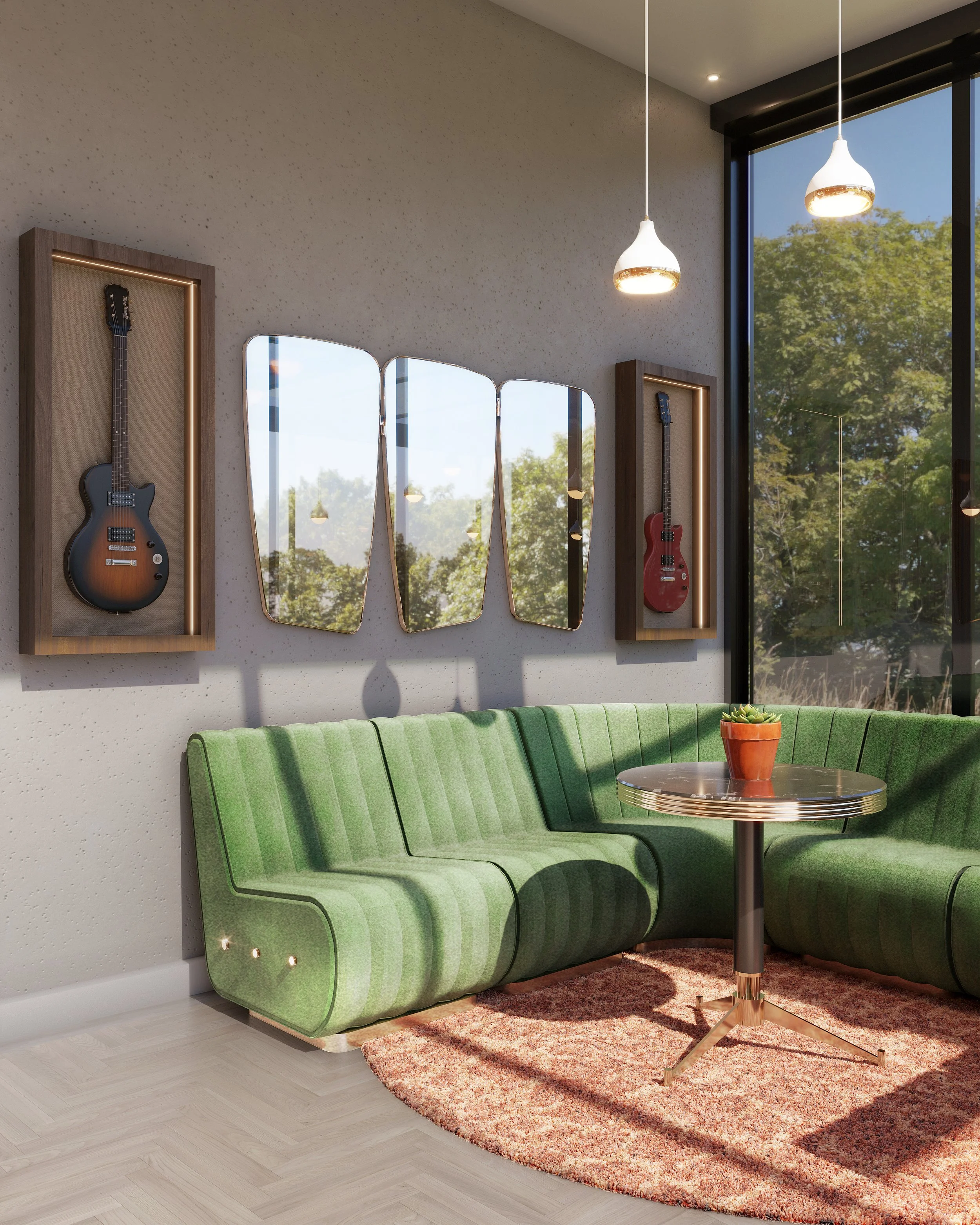
Image Credit: Covet House
Co-written featured partner post
It’s often accepted that having a small living room means there is only enough space for a compact two-seater sofa, but that doesn’t always have to be true. Rather than focusing on the size of the room, it’s more important to consider the arrangement. Trying to fit multiple sofas or chairs in a smallish space will feel claustrophobic and cramped, but a well-chosen corner sofa often makes better use of the same floor area. By placing a corner sofa in the room, you group seating into one specific zone, leaving more open floor space (while still offering enough room for everyone to sit).
Of course, not all corner sofas work and choosing one that is too chunky or doesn’t allow light and air to travel underneath it will feel overbearing, so size, design, orientation and positioning all factor in.
Here are five things that you should consider when investing in a corner sofa for a smaller-sized room:
1. Ignore How It Looks in the Showroom
Showrooms are huge, so that corner sofa that seems perfectly proportioned on the display floor might swallow your living room whole. Always take measurements at home before you look into purchasing a sofa.
TOP TIP: it’s also a good idea to outline the floor in masking tape to work out the exact size of sofa you can get away with.
As well as the floor space, also note the wall length, door swings, radiator placement and walkway width (you’ll want at least 60cm walkway at the minimum) between your sofa and any other walls or furniture.
This rough breakdown helps:
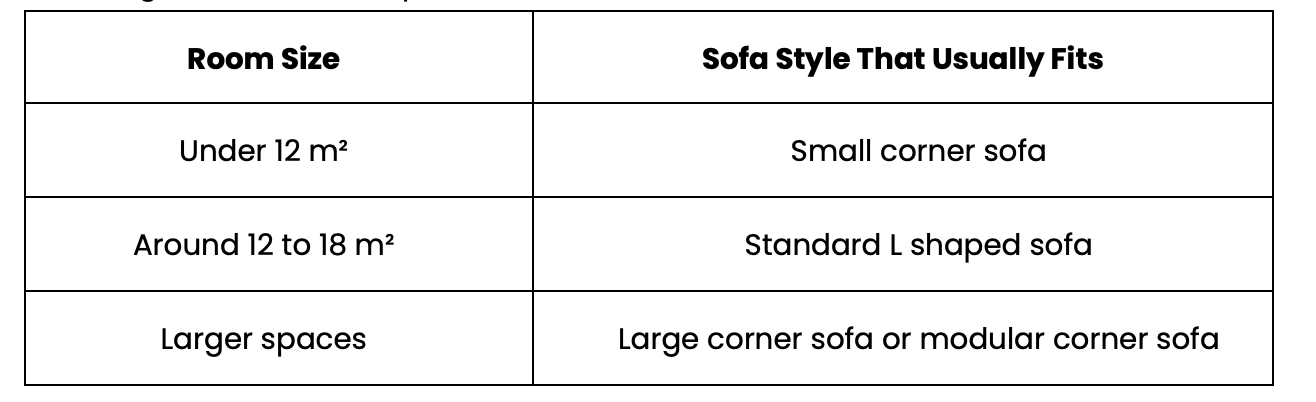
2. Left or Right? This Matters More Than You Think
While the exciting part of getting a new corner sofa is choosing the colour and the upholstery, it’s so important to make sure that you order the right orientation (if the ‘corner’ part extends out left or right). A left hand corner sofa and a right hand corner sofa are not interchangeable: one directs traffic into the room, while the other blocks it.
To work out your sofa orientation, stand in the room doorway or at your main entrance. Look at where the main focal point in the room sits (this could be a fireplace or a television). Picture how you live and how you naturally move throughout the space; the longer section of the sofa should guide that flow, not fight against it.
3. Do Not Crowd It
Once you have a corner sofa set in place, resist the urge to fill the rest of the room with lots of heavy, floor-sitting furniture. Adding bulky cabinets, large coffee tables, or heavy shelving units will make the room feel cramped. Instead, look to including items such as:
A slim coffee table with thin legs rather than a wide rectangular one. Ideally, your coffee table should have a glass or acrylic top so that lights and air travels through it, leaving breathing space in the room.
Shelves mounted on the wall instead of freestanding cabinets taking up precious floor space.
A low profile TV stand that won’t feel imposing.
Small side tables you can pick up and reposition as required.
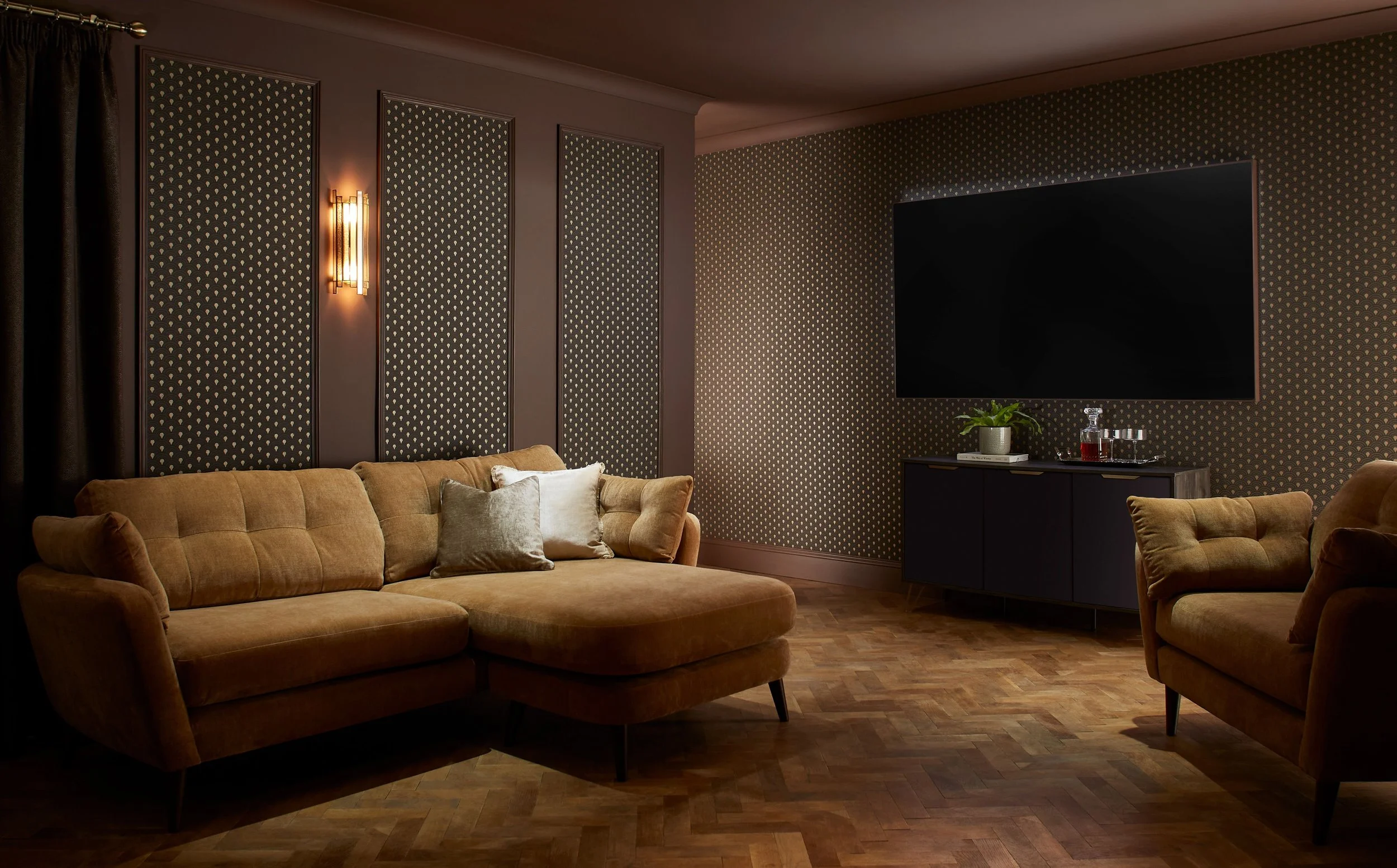
Image credit: Graham & Brown
4. Storage Is Worth Paying Attention To
Quite a few affordable corner sofas now include under seat storage - space that is ideal for stashing extra blankets, cushions, children's toys, or bedding.
If you often have overnight guests, a corner sofa bed adds another layer of usefulness.
For studio apartments, some people use a corner sofa bedroom configuration where the sofa serves as the primary sleeping surface. While this is not ideal for everyone, it is workable in tight spaces.
If you like rearranging your home every now and then, a modular corner sofa gives you options. Sections can be moved or reconfigured without replacing the whole unit.
5. Sometimes a Corner Sofa Is Just Not the Answer
In very narrow rooms, an L shaped sofa can block the only usable walking path. If your space is long and slim, a standard two or three seater against the longer wall often works better (the same goes for rooms with multiple doorways or open plan areas where wall space is limited).
A compact two seater paired with a movable ottoman can offer more flexibility, as you can shift the ottoman around when needed and tuck it away when guests arrive.
Final Thoughts:
A well chosen corner sofa can absolutely work in a small living room, but the key is planning and consideration. Measure properly and really think about if you have the space to manoeuvre with one in the room.
Pay extra attention to choosing the right orientation, and keep surrounding furniture minimal. Consider materials and storage based on your actual lifestyle, and if the room does not suit a corner sofa, walk away - there are plenty of other options available!
My top styling tips for tennis-themed table decor…