
Low-Cost Home Hacks That Make Large Windows and Patio Doors Summer-Ready
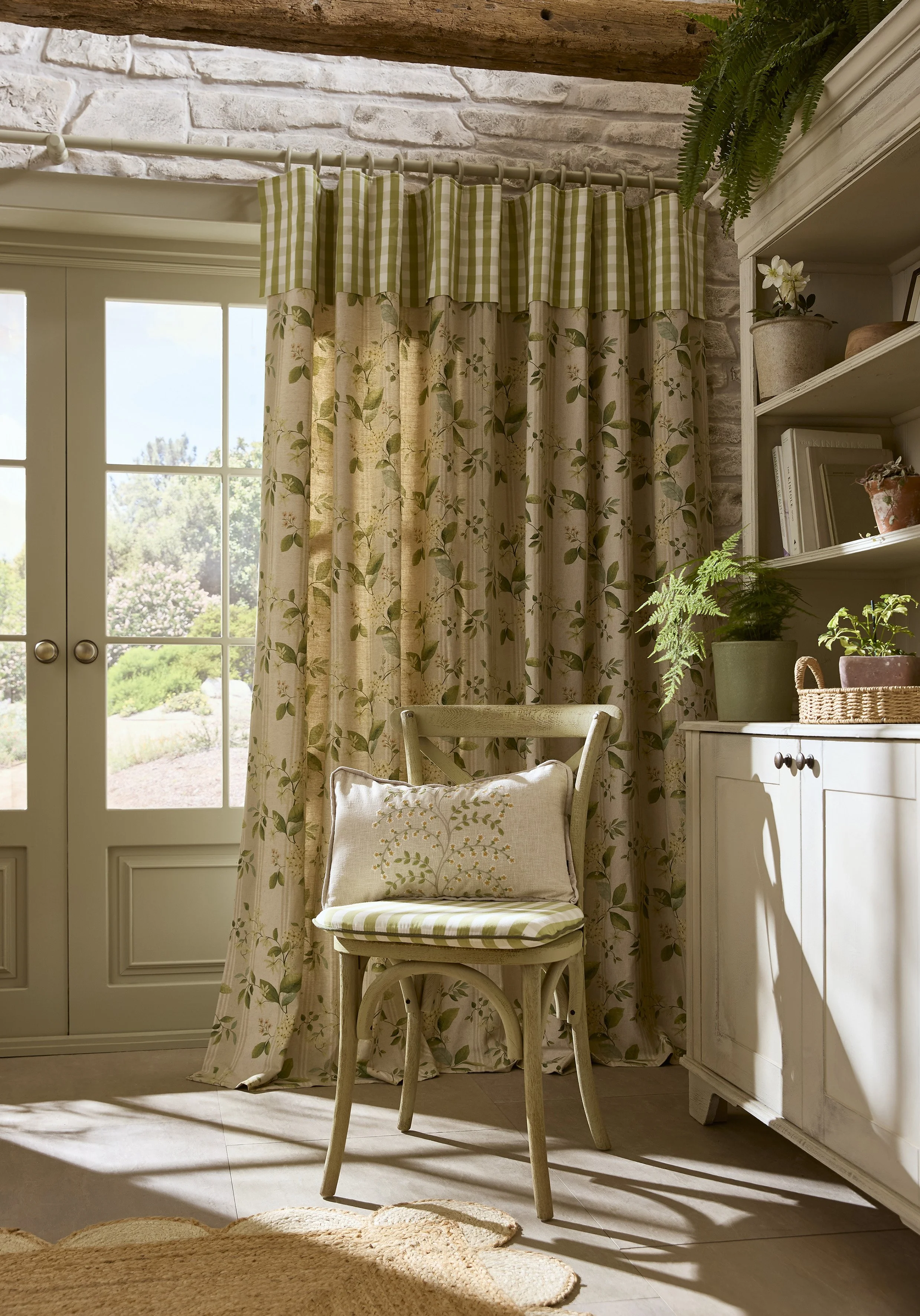
Image credit: ILIV
Featured Partner Post
Large windows and patio doors can make your home feel brighter, but they can also let in excessive solar heat during summer. Around one in five homes in the UK already overheat between May and August, and that number is expected to keep climbing as our summers keep getting hotter.
To stop this heat entering the home, it needs to be managed at point of entry. Fortunately, a few affordable upgrades can help reduce heat gain without replacing your existing glazing. Heat reduction window film, external shading and smarter ventilation can reduce heat gain, improve comfort, and help maintain lower indoor temperatures for a relatively low cost.
Heat reduction window film: this helps reduce solar heat without replacing your windows
External shading: stops more heat before it reaches the glass
Smarter ventilation: cooling your home depends on opening windows at the right time
Layered approach: combining multiple low-cost solutions delivers the best results
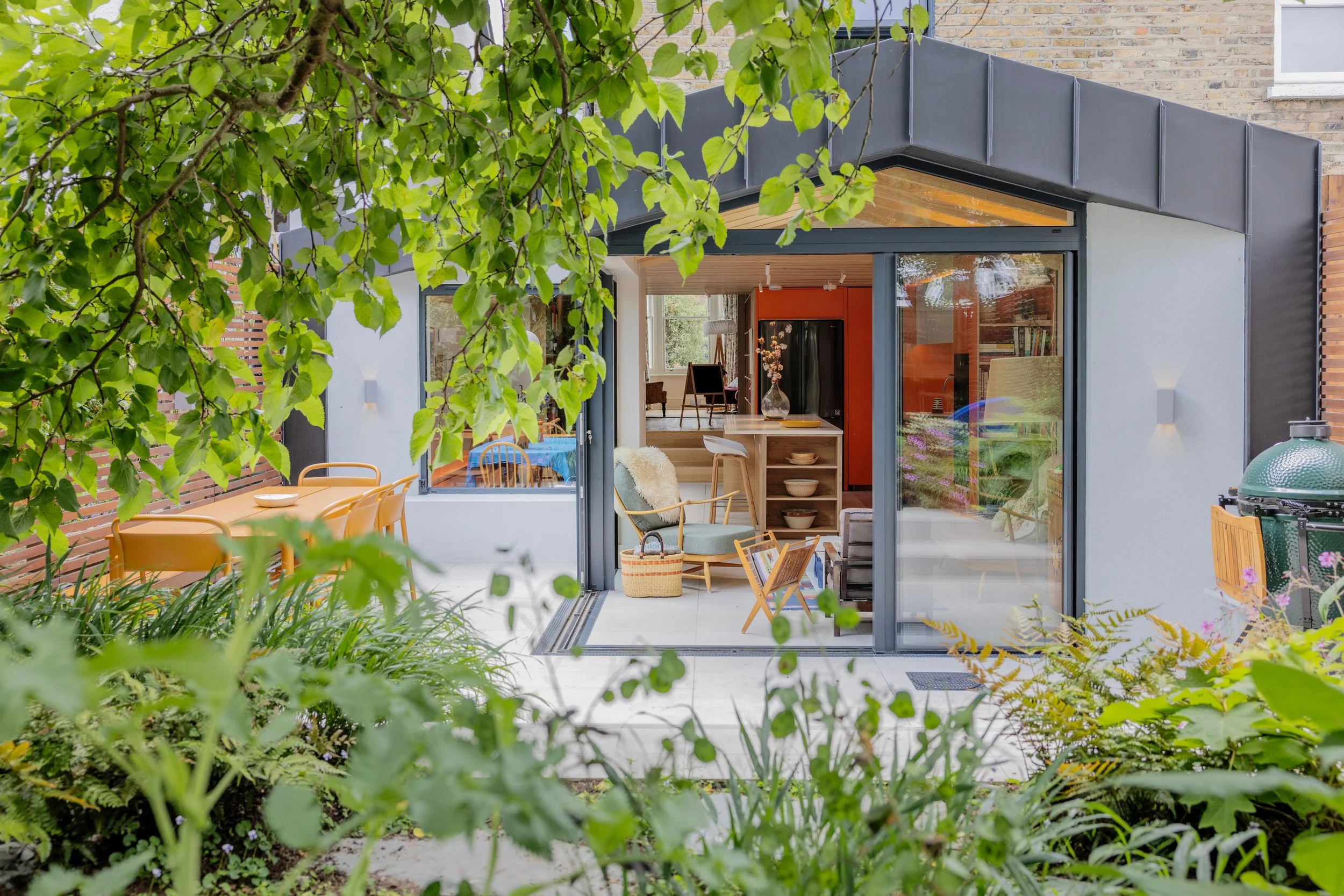
Image credit: Plykea
Fit Heat Reduction Window Film to Existing Glass
Heat reduction window film is one of the cheapest upgrades that you can make to stop solar heat entering your home via the glazed doors and windows. You apply it directly to your existing glass and it’s an easy DIY (so no professional installers are required!)
Heat protection window film works by reflecting and absorbing solar energy before it fully transfers through the glass, which is why they tend to outperform internal-only solutions (such as internal blinds and curtains). As well as restricting the heat, reflective and solar control films can also reduce glare (and as they are clear, they won’t block your view to the outside).
Use External Shading Alongside Your Film
Heat blocked outside never becomes a problem inside; pairing external shading with heat reduction window film creates a layered approach that helps keep indoor spaces cooler throughout the day. For extra heat protection, consider these budget-friendly external options:
Simple canvas awnings over patio doors
Outdoor bamboo or reed blinds
Trellis with fast-growing climbing plants
Even a temporary shade sail rigged up for summer can meaningfully cut the sun hitting a large and framed window.
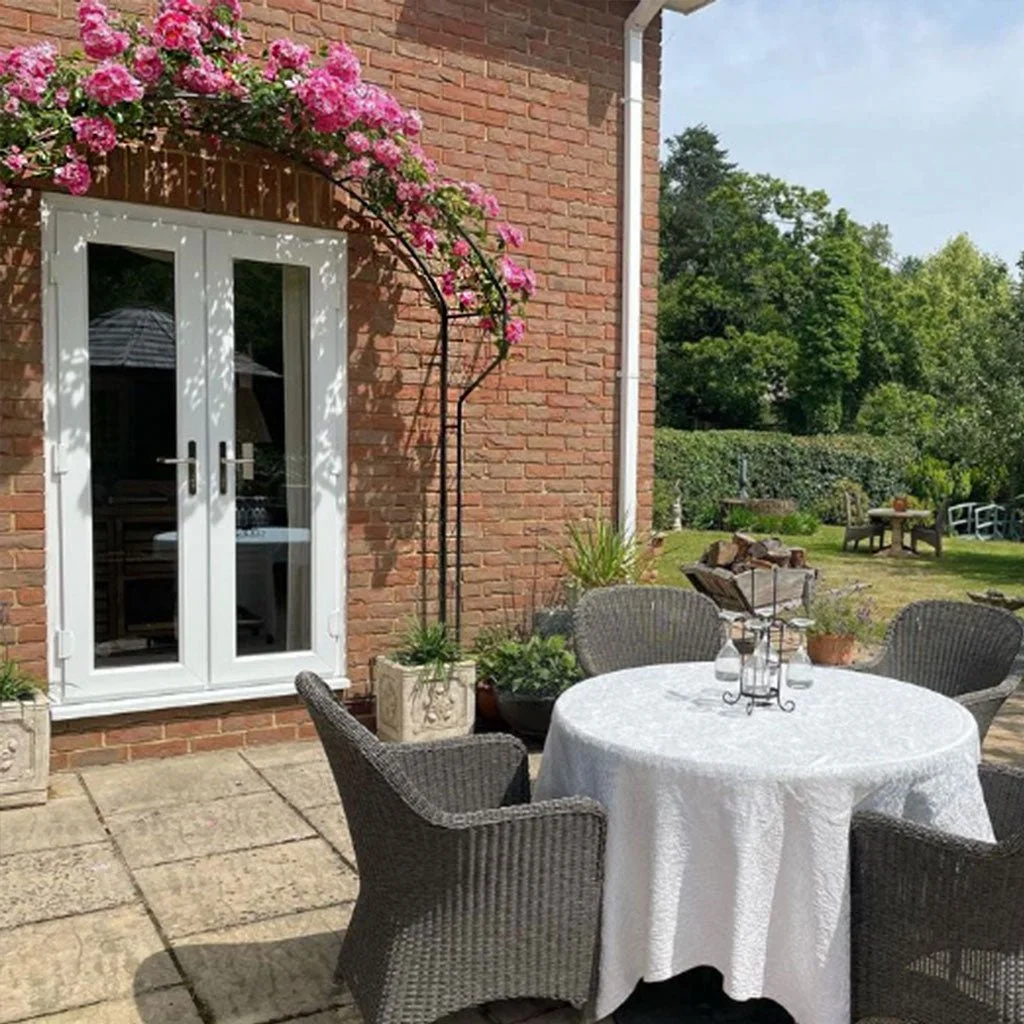
Image credit: Agriframes
Choose the Right Internal Blinds or Curtains as a Backup
Internal options are effective when film or external shading is not enough on its own, while the material choice can make all the difference. Light-coloured and reflective linings perform better than dark or heavy fabrics (which tend to absorb heat rather than bounce it back outside), while thermal-lined curtains add a second layer of resistance. You could also use blackout blinds for west-facing rooms that catch the afternoon sun.
Master the Art of Timed Ventilation
Ever opened a window on a hot afternoon? This can make things worse, as warm air flows in faster than it flows out, and opening windows during the hottest part of the day can raise indoor temperatures rather than lower them.
Open windows and patio doors early morning when the air is still cool
Close them and the blinds once the sun hits directly
Reopen in the evening once outdoor temperatures drop
Create Cross-Ventilation at Night
Temperature can be controlled at night via cross-ventilation. Open windows or doors on opposite sides of the home so as to let cooler night air pass straight through - this works especially well once heat gain during the day has already been reduced with heat protection window film and external shading.
Leave the upstairs windows open overnight
Use door wedges to keep internal doors open, encouraging airflow
Combine with a simple box fan positioned to pull air through, not just recirculate it
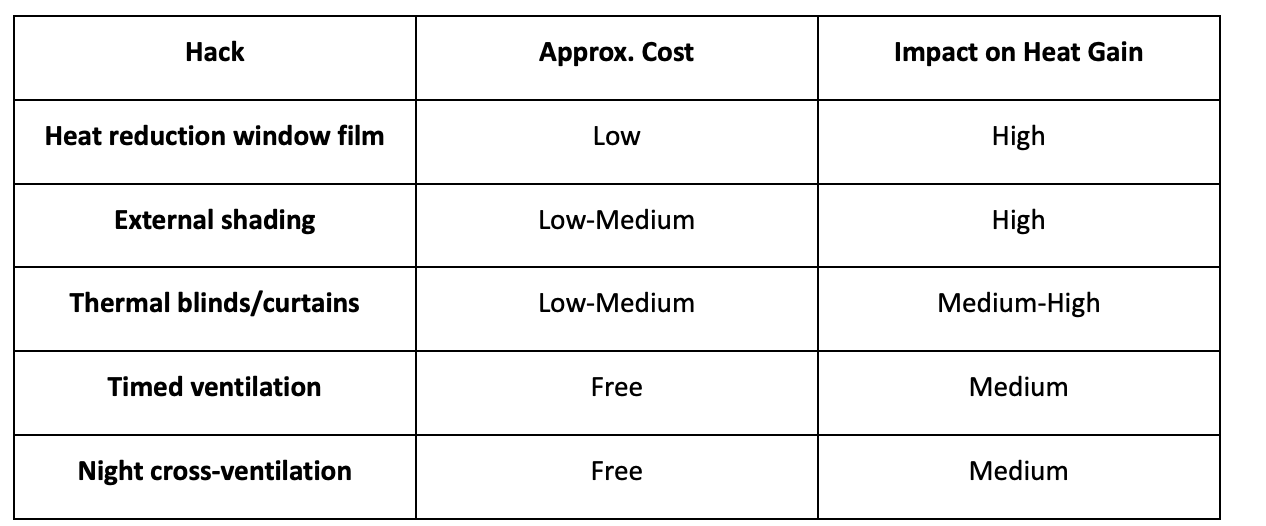
Quick Comparison: Cost vs Impact
If you are deciding which improvements to prioritise, the comparison below highlights how each option performs in terms of cost and reducing summer heat gain.
Large windows and patio doors do not have to work against you in summer. Heat reduction window film tackles the problem at the source, while layered shading and smarter ventilation habits will enable your home will handle the next heatwave far better than it did the last one.

[Sponsored Content] Luxury interior design inspiration as seen in modern super yacht decor…