
Is Stuffy Air Ruining Your Home? Here Are 5 Easy Fixes To Improve Airflow
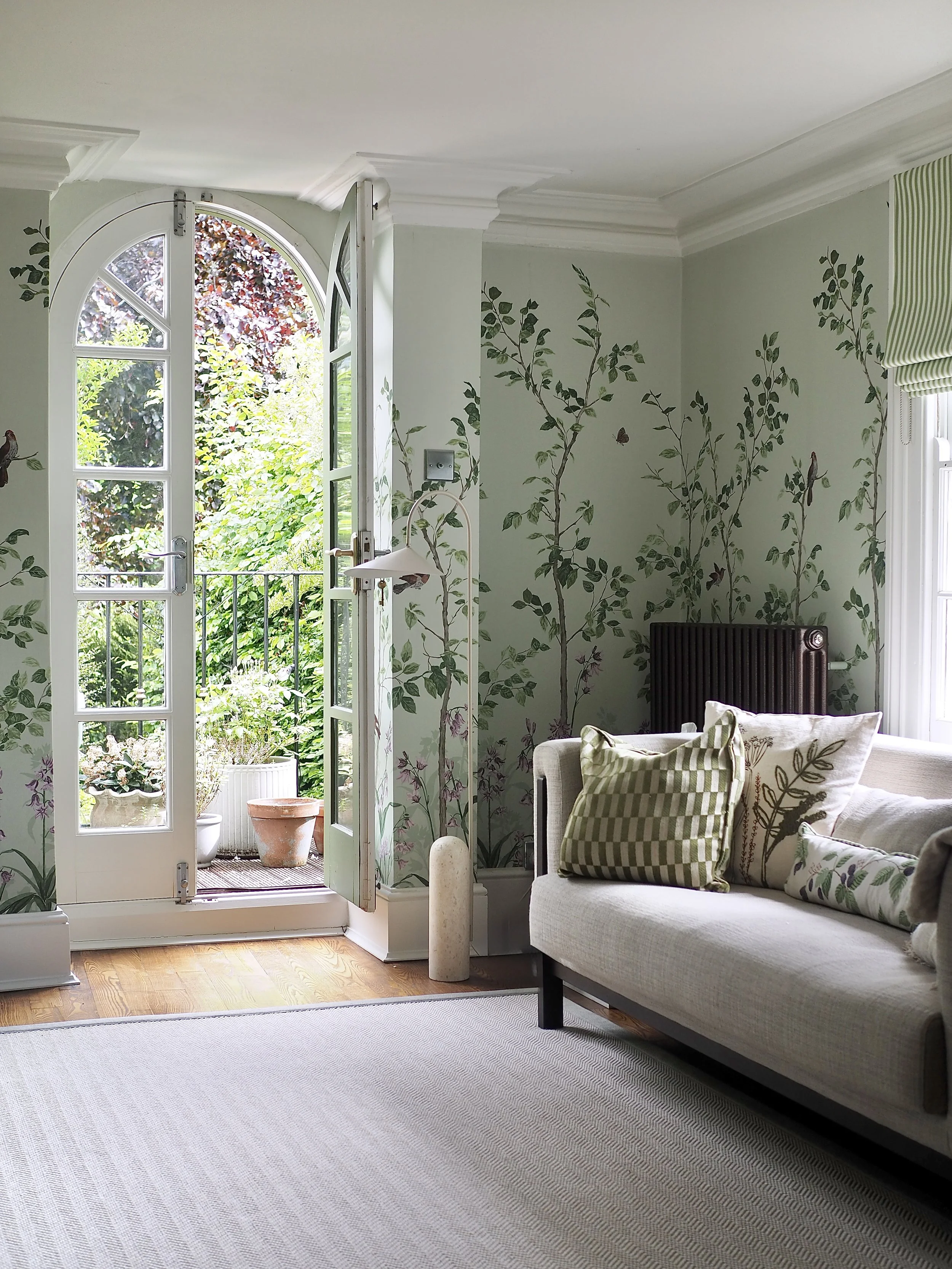
There’s nothing worse than opening your door to find that an unwanted smell is lingering. The most common factors when it comes to unwanted home odours include damp walls, stale air, lingering cooking smells, condensation, pet bacteria, and trapped heat.
Ventilation is about the controlled movement of air, so a good ventilation system running through your home will discard many unwanted smells quite quickly. Successful ventilation is also one of the main factors that stops damp, condensation and mould forming in your home in the first place.
Here are five things that you can do to create a healthier airflow at home:
1. Open the windows regularly
All homes need to be able to breathe, so it’s vital to open all your windows at least once a day for a short while to allow for air to circulate in your home, even in the colder months. This is particularly important in older homes which were not designed for modern living: steamy power showers and boiling kettles all add vapour into the air that gets trapped into the walls of your home, causing damp patches to form and wood to rot. Opening your windows daily dramatically improves ventilation and removes unwanted smells and excess water particles lingering.
2. Keep the internal doors around your home open
If you live with other people, you’ll want to close the internal doors on occasion for privacy. However, try to keep the internal doors in your home open as much as possible in order for air to circulate throughout, avoiding a ‘stuffy room’.
3. Check your wall vents REGULARLY, especially when draught-proofing your home
Draught-proofing your home stops too much uncontrolled air infiltrating your home from outside, but it can also help with hot air escaping from your home in winter. While draught-proofing improves thermal performance, it can also limit the movement of air and removal of odour and condensation. To keep a good airflow system rotating, you must regularly check your home ventilation systems. Make sure that wall vents are not blocked and that extractor fans are working correctly. It’s also important to check that any bricks outside your home are not clogged with moss or weeds, or that any outdoor furniture has not been placed directly against them, blocking air flow.
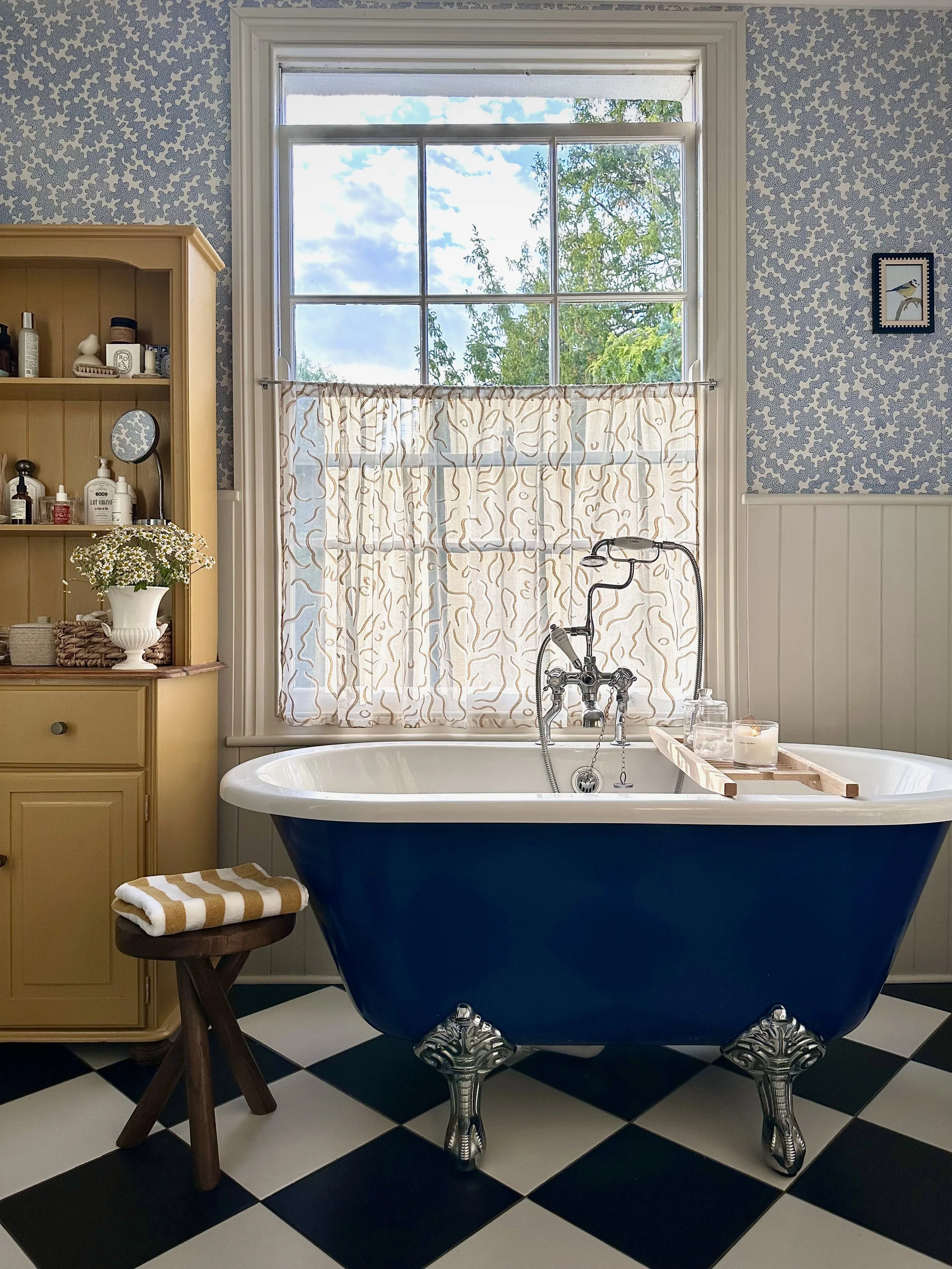
4. Think about what you put into the air in your home
While everyday living, such as cooking and bathing, will bring unavoidable aromas and heat into your home, there are also products such as harsh cleaning chemicals, non-organic candles and high VOC (volatile organic compounds) paint that will contribute to home toxicity. To improve air quality, switch to natural cleaning products, natural wax candles scented only with essential oils, and eco-friendly paint brands that are water-based and plastic-free.
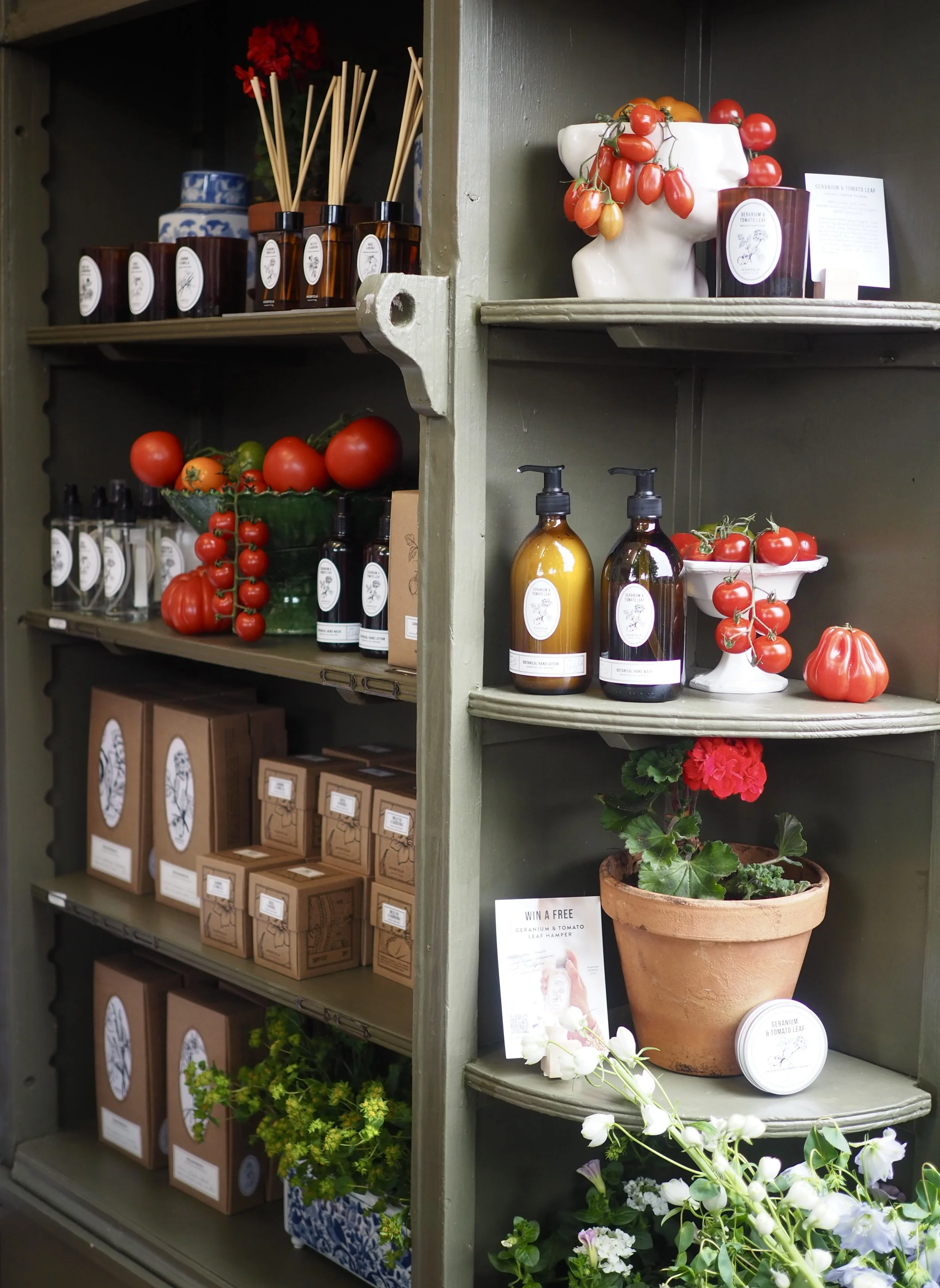
Switch to organic, natural cleaning brands and home scent
5. Tips To Reduce Condensation build-up
Condensation forms when moist air meets a cold surface. In your home, windows, mirrors and poorly insulated walls are common locations.
If condensation occurs on glass window panes overnight, get rid of it instantly and avoid it rotting any timber frames by using a window vacuum to suck away the excess water sitting on the glass. Once all the water has been removed, open your windows to allow your windows to dry fully.
Always turn on your extractor fan before you start cooking or showering and leave it on for at least 15 minutes once you have finished to evaporate all the humid air.
It’s also a good idea to avoid drying large amounts of laundry indoors if you do not have adequate ventilation in place, as this adds a lot of water into the air.
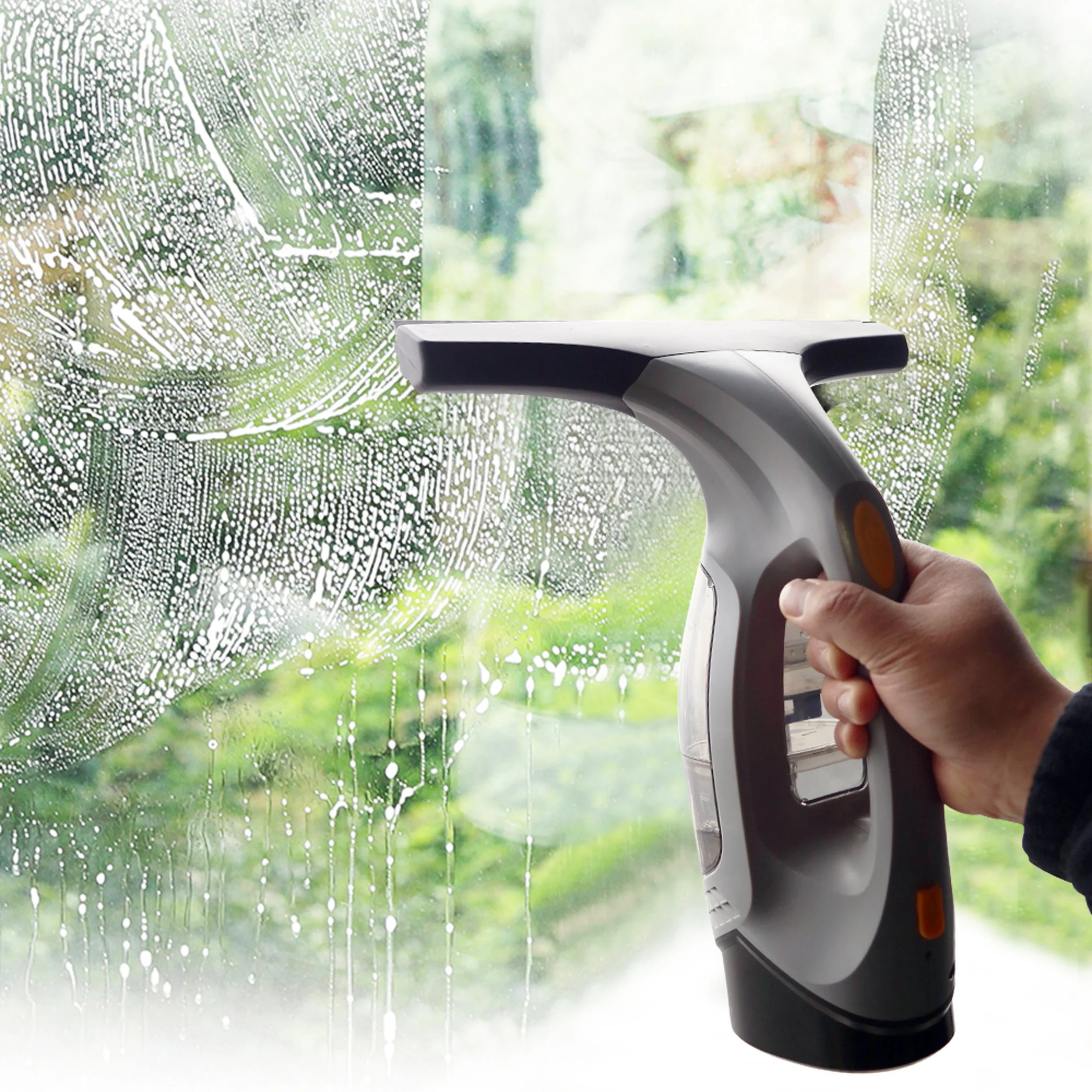
A window vacuum will remove condensation from windows quickly. Image credit: Titan
How Can You Improve Ventilation Without Spoiling Your decor?
Ventilation tends to work best when it is considered part of the home design, rather than a solution put in as an afterthought. In particular, vents can be placed carefully, coloured to suit nearby surfaces or incorporated into less noticeable areas. One option that is worth considering is hybrid ventilation by Airocle. It combines natural ventilation with mechanical support, using favourable outdoor conditions when possible, and introducing powered assistance when natural airflow is not enough. This type of system new build homes and owners who want better control over their ventilation without relying solely on humidifiers or open windows. While the equipment needs to be selected and positioned for each individual property, factoring this into the early planning stages will give installers more scope to protect your property’s most important design features.
What Is Hybrid Ventilation?
Natural ventilation uses pressure differences relating to wind and changes in temperature to move air through a building. Mechanical ventilation, on the other hand, uses powered equipment to extract or circulate it. A hybrid system combines the two approaches.
When the weather is suitable, natural airflow may do much of the work of ventilation your home. However, if you need extra airflow due to changing conditions, mechanical support can provide that. Such assistance may be needed on a still day when there is not enough breeze to move warm or humid air out of the home, such as by using an electric fan.
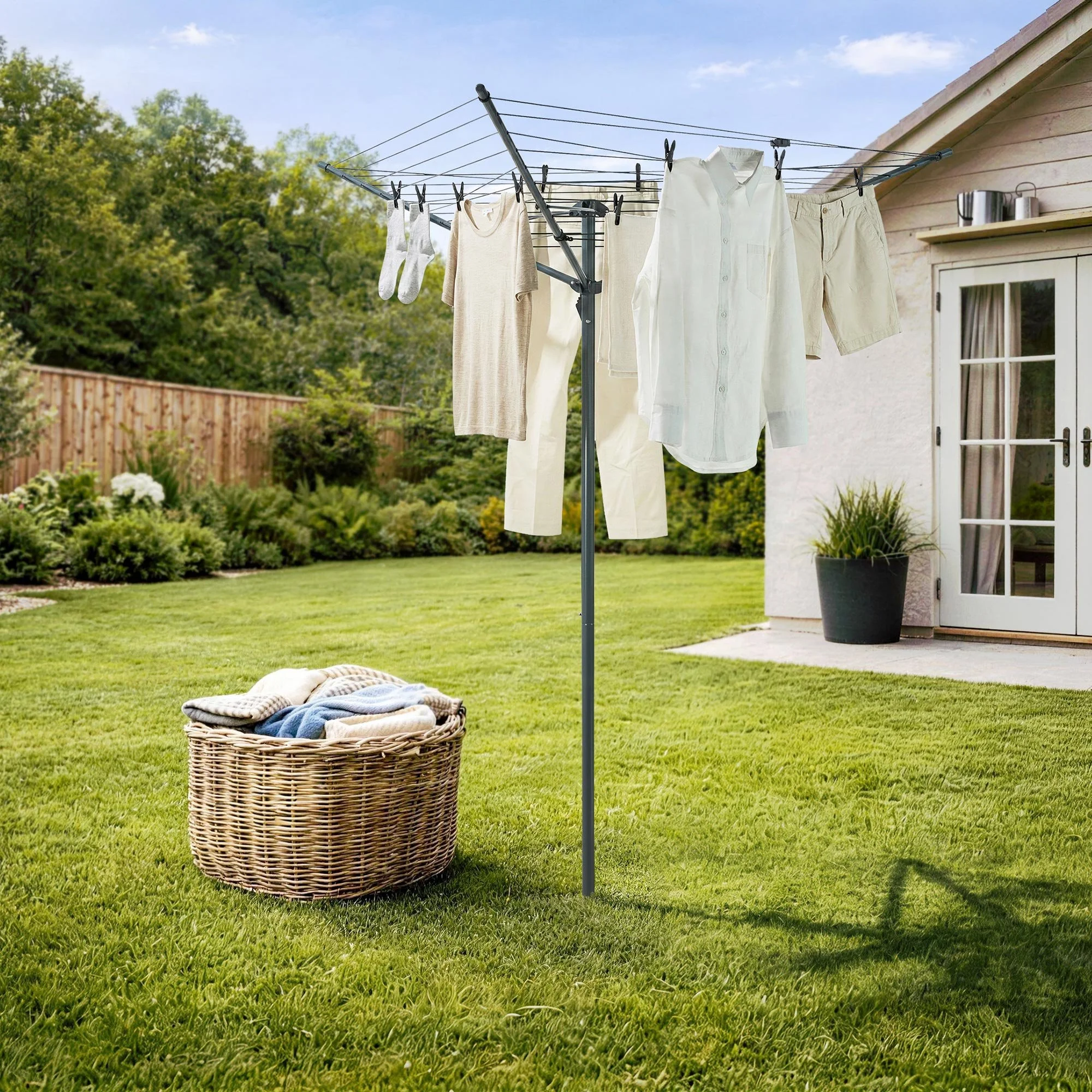
Try to dry your clothes outside wherever possible, rather than hanging damp items around the home. Image credit: VonHaus.
What about temperature?
A home that has warm air trapped in it can feel stuffy and overbearing. A humid room may feel warmer than the temperature suggests because perspiration does not evaporate as readily. Periodically remove trapped heat by introducing fresh airflow to clear cooking smells and prevent bedrooms from feeling closed-in overnight, reducing the concentration of some pollutants generated indoors.
Which Interior Design Choices Encourage Better Airflow?
Where you place your furniture has a more influential effect on airflow than many people realise. For example, putting a large sofa pushed against a vent, or pushing a wardrobe up against a wall directly can significantly interrupt air movement, leading to mould-growth behind it.
It is also worth choosing window coverings that can be opened fully, rather than leaving part of the window permanently blocked. While open shelving, raised furniture on legs, and headboards placed at least 2cm away from a wall can all contribute to better air distribution.

Check out these five brands I loved at Decorex…