
Choosing Sash Window Colours: What Works, What Doesn’t, and Why
Co-written featured partner post
Choosing the right colour for your sash windows is an important decision and not one that should be made impulsively. The right colour can completely transform the look of a home: get it right - the windows will blend beautifully into the architecture and interiors; get it wrong - the windows can feel out of place or dated far sooner than expected.
Modern uPVC sash windows are a popular choice as they have the heritage look of traditional timber sashes, yet they are both practical and functional. Available in a wide range of heritage shades, soft neutrals and realistic woodgrains, there are multiple colours and finishes to choose from.
Why Colour Choice Matters
When considering curb appeal, the colour of your sash windows play an important role in highlighting period features, softening a façade, or giving a contemporary edge to a newer property.
Due to the progression of interior trends, consumer demand, and modern manufacturing, today’s sash windows are no longer limited to white. We first started to see darker, inky blue or charcoal grey windows become popular for confident and stylish homeowners a number of years ago; while green, red and yellow windows are currently the colours du jour for interior tastemakers. For those who prefer a more classic tone, warm whites, taupes and cream windows are a popular choice for those who prefer to stick to neutral hues.
What Works When Choosing a Sash Window Colour
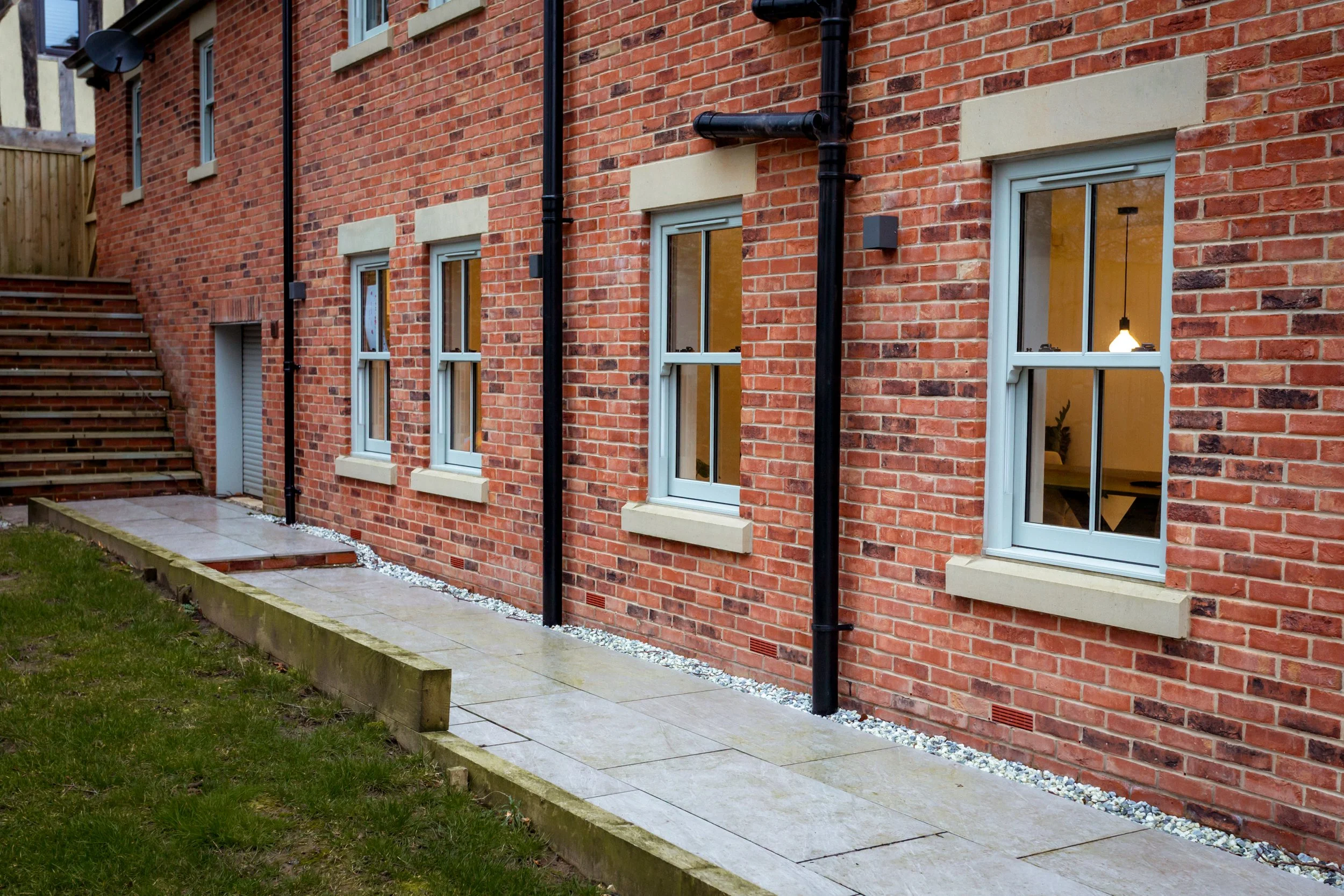
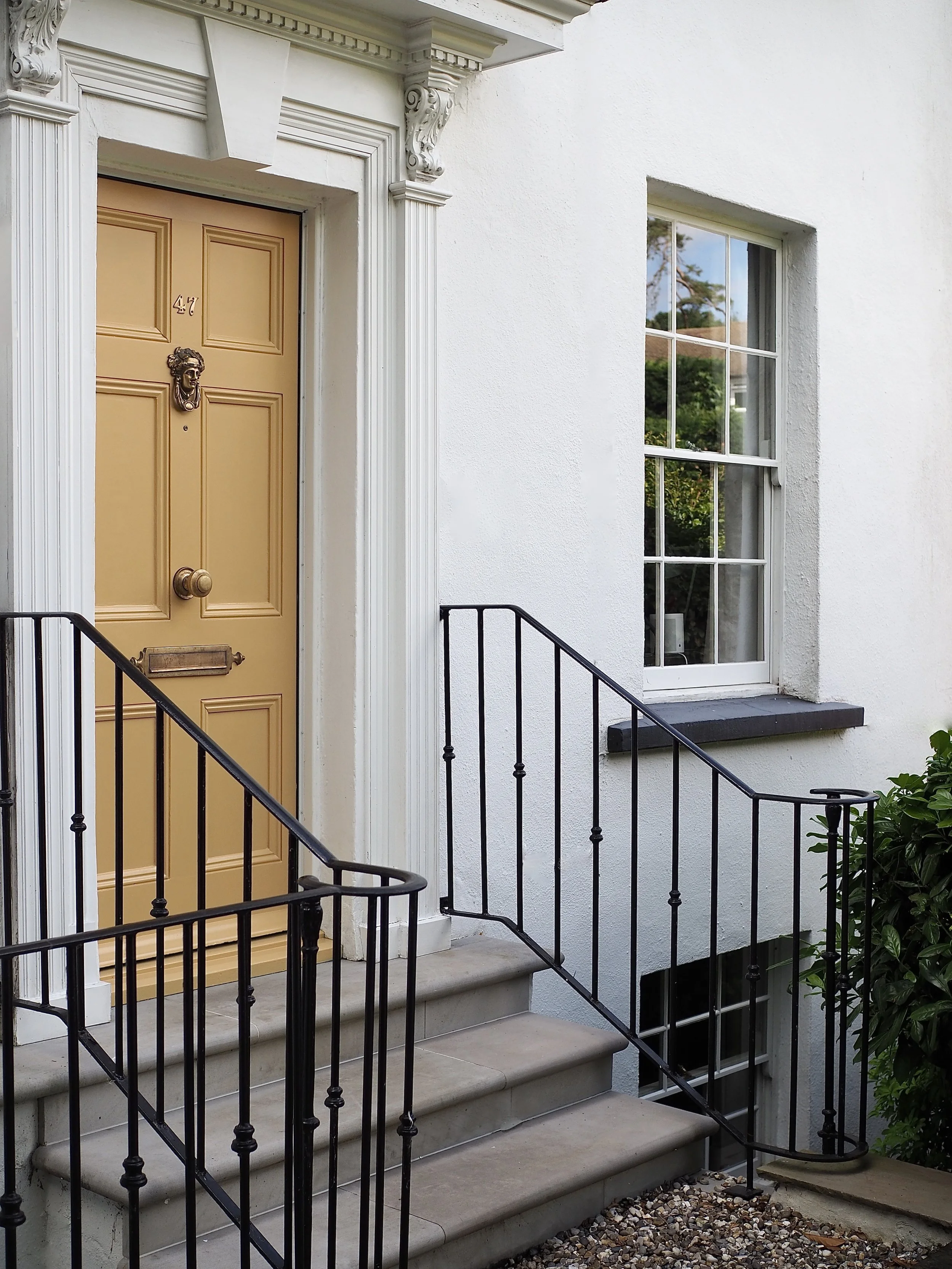
The age and style of your property is an important consideration, as is the material of your external walls. For properties constructed from red brick, softer, heritage tones and neutrals sit well alongside the strong iron oxide colouring. For homes made from softer brick tones with hints of yellow or brown, taupes and creams pair well with a materials such as London brick. A rendered home painted white is a blank canvas, and stronger green or black tones offer a modern yet lasting appeal.
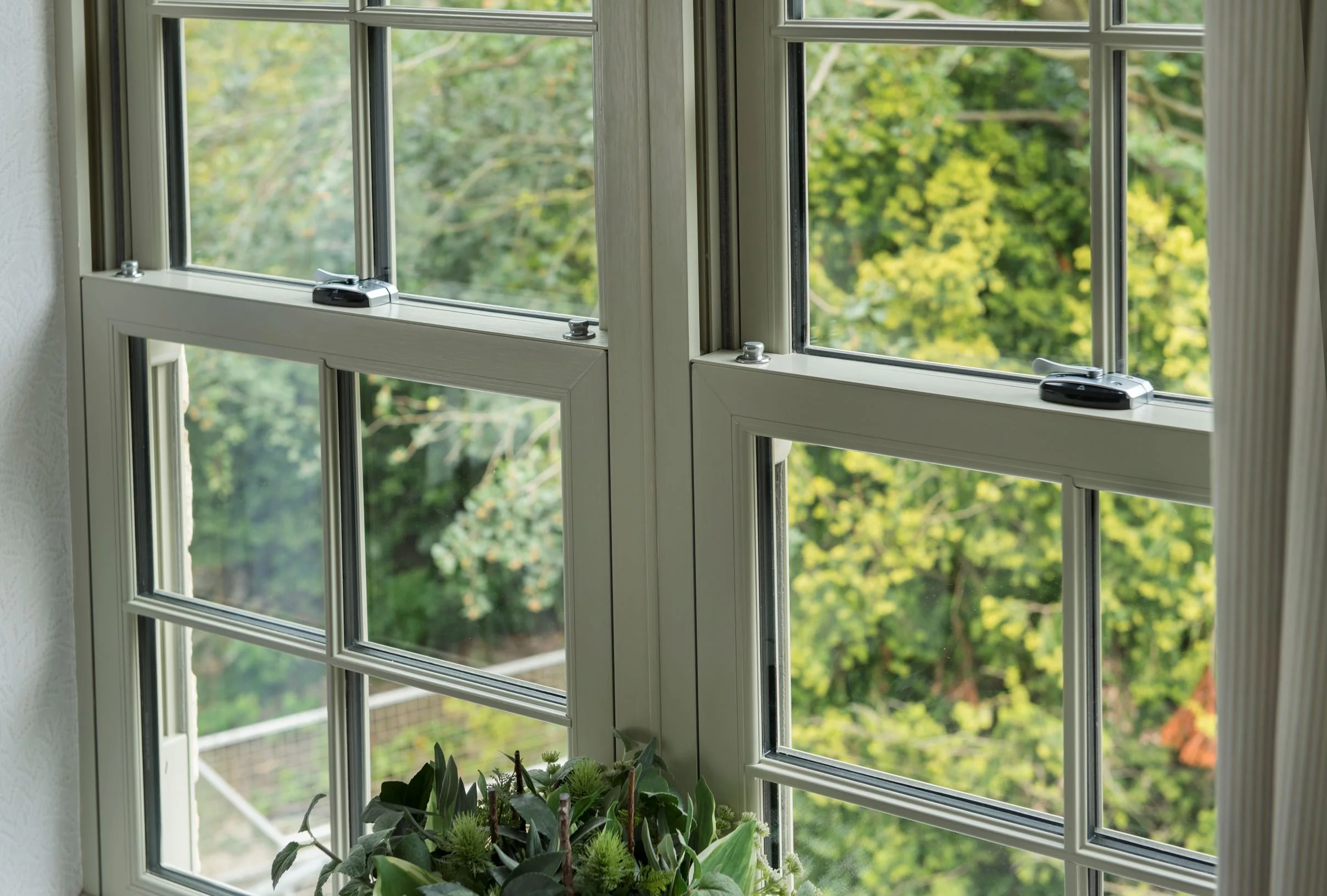
As well as the outside, it’s important to consider how your windows will look internally : lighter shades help bounce daylight around a room and can make spaces feel larger and airier, while stronger tones will draw the eye and make the windows a focal feature within the space.
Dual-colour windows could also be worth considering if your interior style differs from the exterior. A bold shade outside paired with a more neutral interior can make decorating easier and more flexible over time.
What Doesn’t Work and Why
Colours that clash with the character and look of the home are the most common misstep. It’s important to mood board your colour choices and consider your preferred colours against existing construction materials before ordering your windows.
It’s important to consider the depth and tone of each colour and whether it will soften or strengthen the look of the house.
How to Narrow Down the Right Colour for Your Property
Start by looking at what can’t easily be changed. Brickwork, stone, render and roofing all influence which colours will sit comfortably. It’s also important to consider your surroundings: neighbouring houses, gardens, and even how much sunlight your home receives can affect how a colour appears.
Always view real colour samples where possible. Finishes can look very different online than in reality, and comparing a sample against your home will stop you from making an expensive mistake.
Popular Colours That Rarely Go Wrong
Smooth White and White Grain
Bright, clean and adaptable, these shades suit almost any home and are a great way to maximise natural light.
Creams
Softer than white, ideal for period homes and cottages where a warmer finish feels more appropriate.
Agate Grey
A modern classic that works across many styles without overpowering the building.
Greens
A heritage favourite that adds charm while remaining subtle and elegant.
Anthracite Grey Grain
Offers texture and depth, bridging traditional styling with a contemporary feel.
Irish Oak and Golden Oak woodgrains
Perfect for adding warmth and character without the high maintenance requirements that come with real timber frames.
When Bespoke Colour Bonding Makes Sense
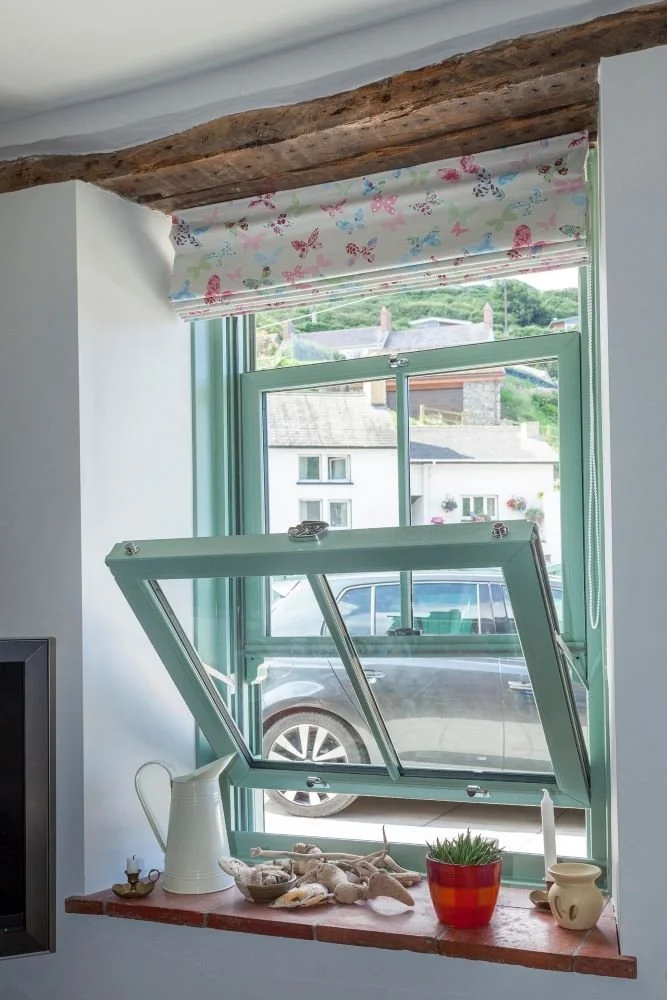
If your home needs a very specific shade, bespoke colour bonding can be the right choice. This works particularly well for matching existing exterior details or achieving a unique heritage tone. Some manufacturers offer almost any colour, giving homeowners complete creative freedom.
Dual-Colour Windows for Mixed-Style Homes
Homes that blend traditional exteriors with modern interiors often benefit from dual-colour sash windows. A classic style can be preserved outside, while a more contemporary shade inside works beautifully with modern kitchens and open-plan living spaces.
Sash Window Colours and Conservation Considerations
In listed buildings or conservation areas, there’s almost always strict rules and regulations you’ll need to follow before making changes to your home. In conservation areas, planners usually look for colours that reflect traditional painted timber and muted heritage tones, and subtle shades and woodgrain finishes tend to be viewed more favourably.
For reassurance, some more modern windows such as Quickslide’s Legacy sliding sash have previously been approved in conservation settings and listed buildings, showing how carefully considered colour and design choices can align with planning requirements.
Final Checklist Before Choosing
Before making your final decision, it helps to think about future redecorating plans, how your windows will work alongside doors and landscaping, your long-term style preferences and the natural light in each room.
Ultimately, the right sash window colour is a personal choice. The best results come from selecting a shade that feels right to you, works with your home’s character and supports the way you want your space to look and feel. With such a wide choice available today, it is easier than ever to choose a colour that reflects your taste while standing the test of time.
My favourite finds at London’s Affordable Art Fair…