
Why Natural Materials Still Define Luxury Kitchen Design in the UK
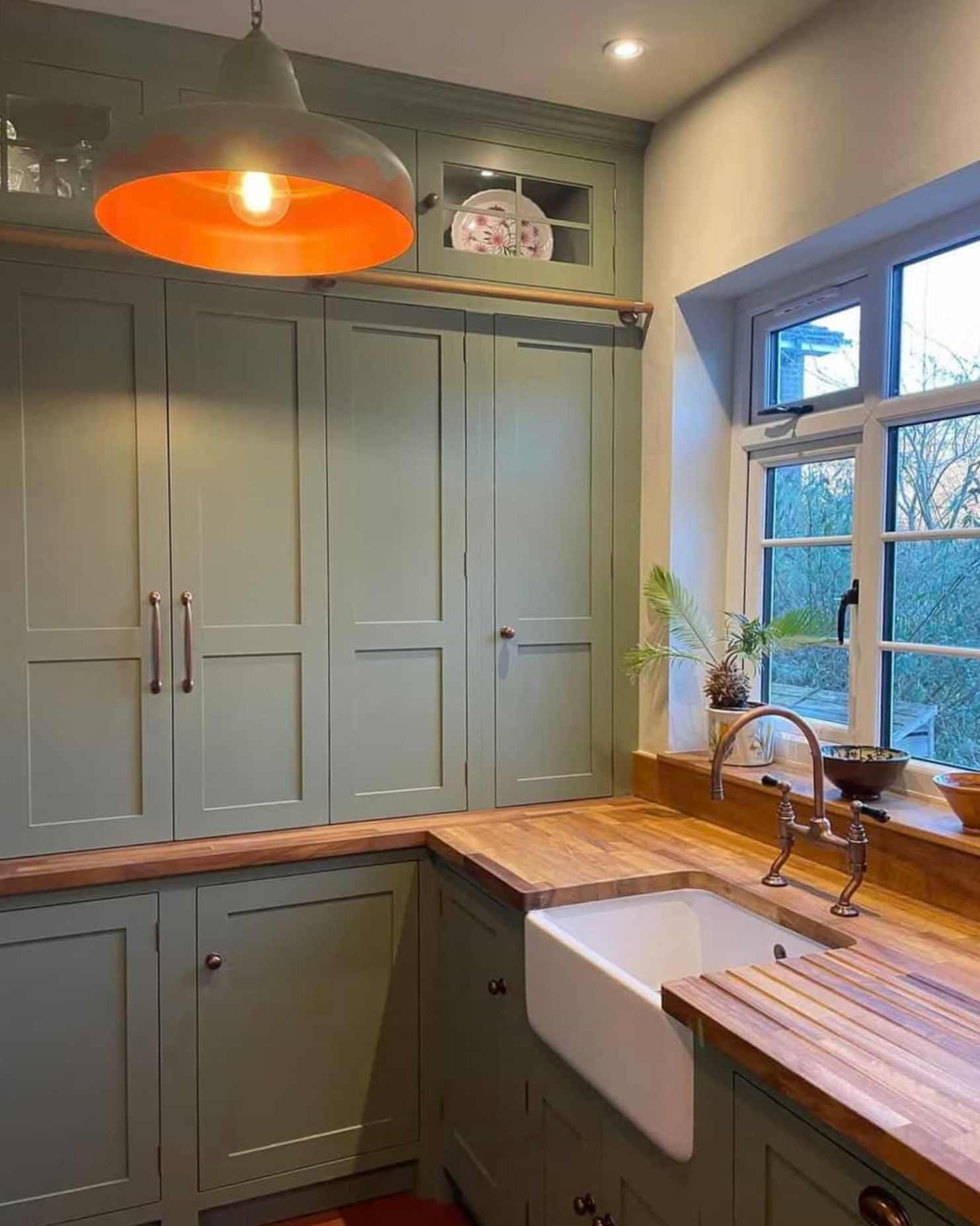
Image credit: Wood Worktops
Featured Partner Post
In modern British homes, the kitchen has evolved into far more than just a functional cooking space - it has become the architectural centrepiece of the household where the owners spend most of their time hosting, working, or simply relaxing.
As homeowners increasingly prioritise longevity and authenticity over short-term interior trends, natural materials such as timber, stone, and solid hardwood surfaces have regained prominence in contemporary kitchen design. These materials introduce warmth, depth, and visual character, while also delivering the durability required for daily use. Among the most sought-after features in premium kitchens are quality hardwood countertops, combining structural resilience with a natural beauty. Quality hardwood worktops allow homeowners to create kitchens that feel both refined and enduring, all while complementing a wide variety of interior styles.
The Enduring Appeal of Natural Materials in British Kitchens
Natural materials have long been associated with quality and craftsmanship in British homes, particularly in spaces where durability and visual impact are equally important. Timber, stone, and other organic materials introduce a depth and authenticity that manufactured surfaces often struggle to replicate. Their natural grain, tonal variation, and subtle imperfections create kitchens that feel distinctive rather than uniform, contributing to a sense of individuality within the home. For many homeowners, this authenticity is a key part of what defines a truly premium kitchen environment.
This renewed appreciation for natural materials is especially visible in the surfaces that define the centre of the kitchen. Islands and breakfast bars increasingly act as focal points within modern layouts, serving both practical and social functions. Because these areas experience constant daily use, homeowners often prioritise materials that combine durability with visual warmth. Installing a quality bar worktop allows these spaces to function as both hardworking preparation areas and refined design features.
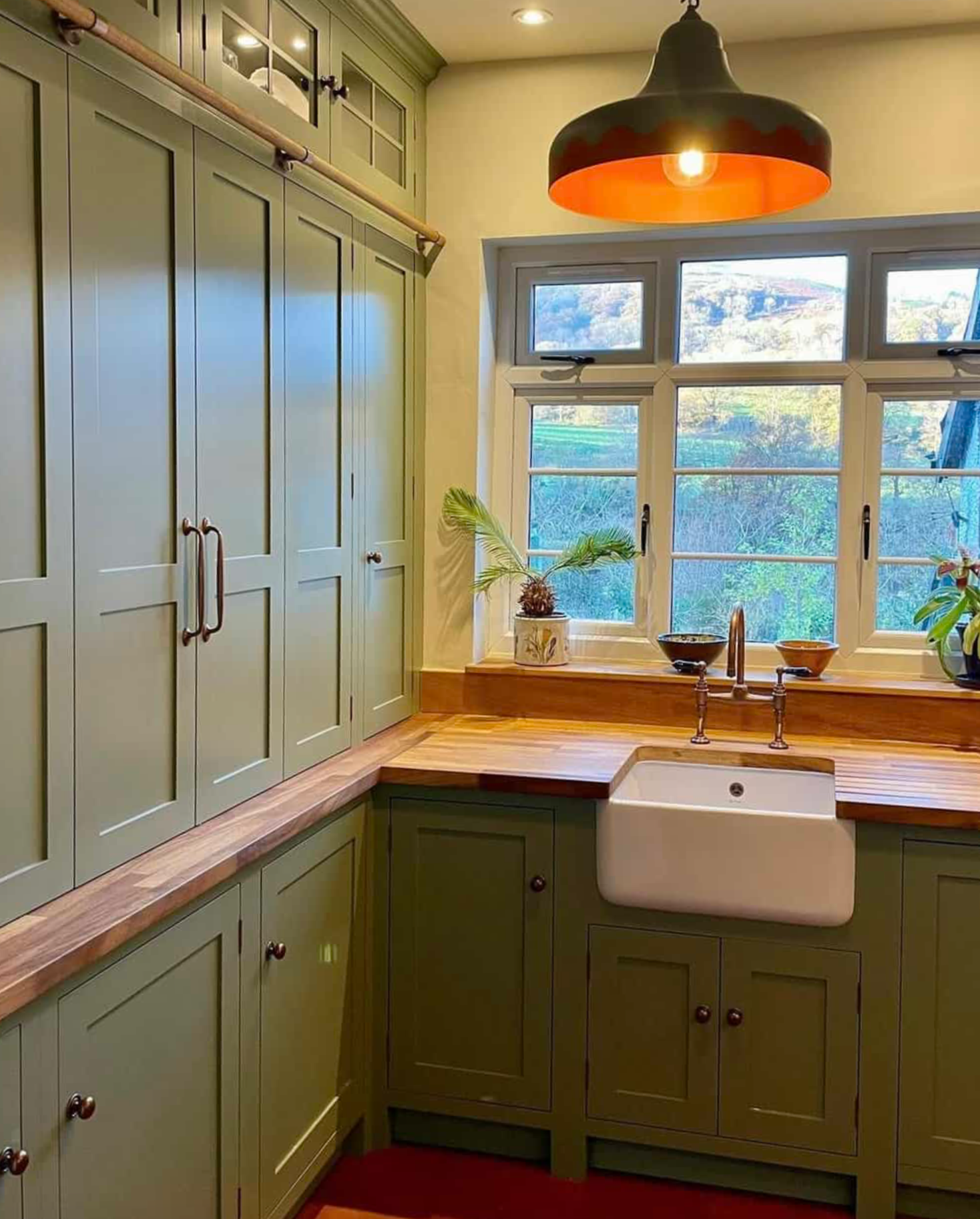
Image credit: Wood Worktops
The Kitchen as the Architectural Heart of the Modern Home
Over the past two decades, the kitchen has undergone a significant transformation within British homes. Once viewed primarily as a practical workspace, it now operates as one of the most important social and functional areas in the property. Open-plan living has played a major role in this evolution, allowing kitchens to flow seamlessly into dining and living areas. As a result, the materials used within the kitchen must now satisfy both aesthetic and practical demands, balancing durability with visual harmony so that the space complements the wider interior design of the home. The ability of quality wood worktops to work in both modern and traditional kitchen designs makes them a versatile choice for homeowners seeking materials that enhance the character and longevity of the space.
Why Hardwood Worktops Remain a Benchmark for Kitchen Luxury
Within premium kitchen environments, the choice of surface materials often determines whether a space feels merely functional or genuinely luxurious. Hardwood worktops have long been regarded as a defining feature of high-quality kitchen design because they combine structural strength with a distinctive natural aesthetic. Unlike many engineered materials, solid timber presents unique grain patterns, colour variation, and organic textures that cannot be replicated artificially. This natural individuality allows each worktop to contribute character and depth to the kitchen, reinforcing the sense that the space has been crafted with care rather than manufactured from unsustainable materials.
Different hardwood species also offer their own practical and visual advantages:
Oak, one of the most commonly specified timbers in British kitchens, is valued for its density and pronounced grain structure, which provides both durability and a classic appearance.
Cherry wood introduces a warmer tone that gradually deepens over time, adding richness and maturity to the interior.
Iroko, sometimes referred to as African teak, contains natural oils that enhance its resistance to moisture, making it particularly suitable for kitchen environments.
Craftsmanship and Material Integrity in Premium Kitchens
In luxury kitchen design, the distinction between an average installation and a truly refined interior often lies in the craftsmanship behind the materials. Hardwood worktops require careful preparation and skilled manufacturing to ensure they perform reliably in a kitchen environment where temperature changes, moisture, and daily wear are constant factors. Processes such as kiln drying, precision cutting, and controlled lamination help stabilise the timber, reducing the likelihood of movement while preserving the natural grain patterns that make solid wood so visually distinctive. When these techniques are applied correctly, the finished worktop offers both structural stability and a high-end aesthetic that enhances the overall quality of the kitchen.
Material selection also plays a critical role in achieving this level of performance. High-quality hardwood worktops are typically produced from carefully graded timber that demonstrates consistent density, strength, and attractive grain character. For homeowners investing in a kitchen designed to last, the combination of well-selected hardwood and skilled craftsmanship helps create a space that reflects both durability and timeless design.
Longevity and Sustainability in Kitchen Materials
As homeowners become increasingly mindful of long-term value in home improvements, the longevity of materials used in kitchen design has become a central consideration. Natural hardwood surfaces offer a distinct advantage in this regard because they are capable of enduring decades of use when properly maintained. Unlike many synthetic alternatives that must be replaced once damaged or worn, solid wood worktops can often be restored through sanding and refinishing, allowing the surface to regain its original appearance. This capacity for renewal means the material can continue to perform effectively without the need for full replacement, making it a practical and sustainable choice for homeowners investing in their kitchens.
In addition to durability, wood worktops also contribute to a more environmentally conscious approach to interior design. Timber is a renewable material, and when sourced responsibly it represents a far more sustainable option than many petroleum-based surfaces commonly used in modern kitchens. Because hardwood worktops can remain in place for many years while being periodically refreshed, they help reduce material waste and the need for frequent replacements. For homeowners seeking to combine quality, longevity, and responsible material choices, natural wood surfaces offer a solution that aligns both with modern sustainability values and the desire for enduring luxury within the home.
Conclusion
Natural materials continue to define luxury kitchen design in the UK because they combine timeless visual appeal with practical performance and long-term value. As kitchens increasingly serve as the central gathering space within the home, homeowners are drawn to materials that offer both durability and character. Solid hardwood worktops embody these qualities particularly well, providing strength, warmth, and distinctive grain patterns that enhance the overall atmosphere of the kitchen. By incorporating natural timber surfaces into kitchen interiors, homeowners can create spaces that feel both refined and authentic, ensuring the kitchen remains not only functional but also a lasting expression of quality and craftsmanship within the modern British home.
See the 26 brand new paint colours by Little Greene here…